VIDEO: For the inclusion of the Afro-Panamanian people in the 2020 Census!
The situation of Afro-descendant peoples in Latin America cannot be understood without reference to structural practices of racism and discrimination that underlie the social, economic and political contexts of most […]
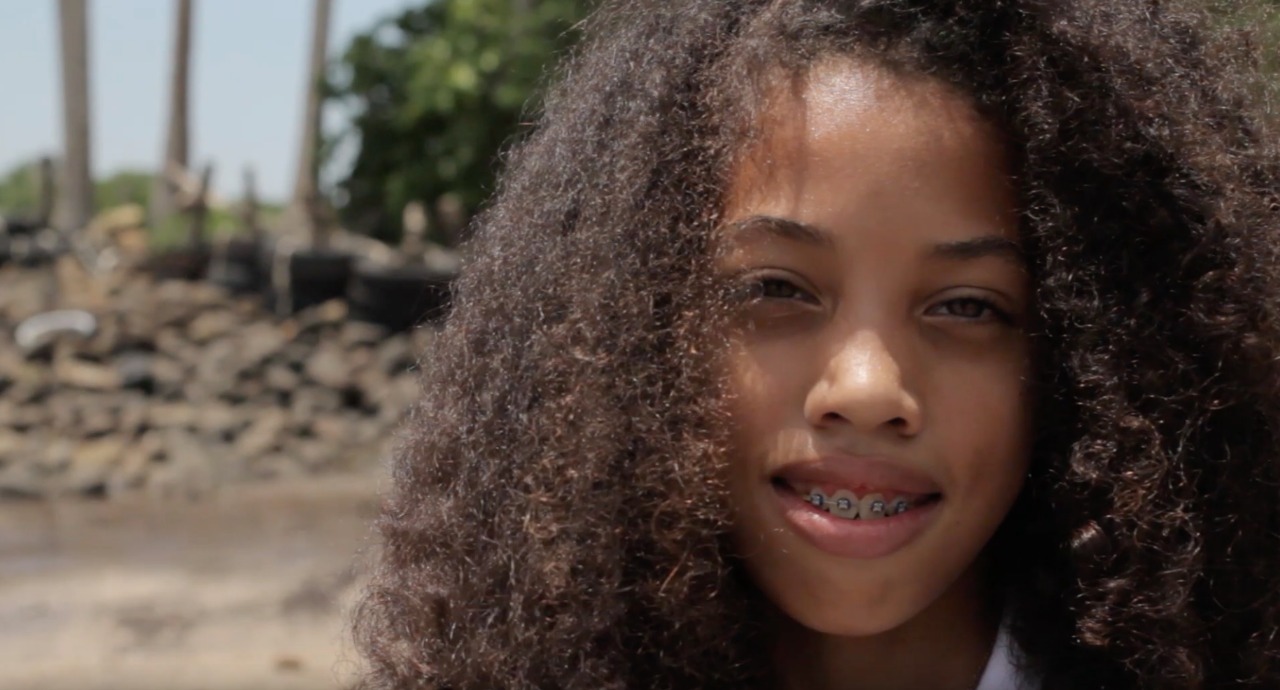
The situation of Afro-descendant peoples in Latin America cannot be understood without reference to structural practices of racism and discrimination that underlie the social, economic and political contexts of most countries in the region. Violence, poverty, unemployment and lack of guarantees of access to health, education and decent housing all affect the lives of Afro-descendant communities. Most of these challenges go unrecognized by regional governments due to a lack of statistical data that could shed light on the cycles of exclusion affecting Afro-descendants. Without this data, there can be no plans, projects or public policies to guarantee the full exercise of Afro-descendants’ fundamental rights.
According to data from Panama’s National Institute of Statistics and Census (INEC) gathered in recent household survey exercises in preparation for the 2020 census, the Afro-Panamanian population has increased from 9.2% to 24.5% of the country’s total population over the last ten years.
In response to this change, the Institute on Race, Equality and Human Rights (Race and Equality), along with multiple Afro-Panamanian civil society organizations, has been working for the defense, promotion and recognition of Afro-descendant rights in Panama. We have carried out this work through projects that increase the visibility of Afro-descendant communities, strengthen self- and communal identification and increase the effectiveness of guaranteed rights in Panama. The inclusion of the Afro-descendant population in the upcoming 2020 Population and Housing Census is vital for complete recognition of the Afro-Panamanian community. The census is also a fundamental arena for participation and empowerment, allowing communities to identify the problems that affect them and to demand the attention of the Panamanian State.
To guarantee real and effective participation of Afro-Panamanians in the 2020 census, Afro-Panamanian social organizations, with the support of Race and Equality, have launched an awareness-raising campaign for Afro-descendant people. This campaign encompasses a training strategy that facilitates dialogue and empowerment, helping Afro-Panamanians to understand the importance of their participation and the impact of the census on their human rights.
“Certainly, the 2010 census did not yield accurate and precise data on the reality of Afro-Panamanian peoples: according to the census, that year only 9% of the population recognized themselves as Afro-descendants, a situation that left us deeply concerned because this did not correspond to the reality. After investigating and analyzing the situation, we realized that many people either did not understand the term ‘Afro-Panamanian’ or did not identify with it. We therefore determined that the under-counting was due to a lack of understanding of the ethnic identity question and to the survey designer’s lack of knowledge in writing the question. For that reason, during this census we are explaining that there are many different terms to describe ‘Afro-descendant Panamanian” -Afro-Panamanian leader.
In order to guarantee recognition and inclusion for Afro-Panamanian people by ensuring that they understand the census question on ethnic/racial identity, or the “Afro-descendant question” as some people call it, we have produced an audiovisual material entitled “Afro-Panamanian 2020 Census.” This tool that will be promoted across social networks in order to increase public knowledge of the different ethnic groups and ethnicity categories that will be used during the census.
We invite you to share this video to ensure the inclusion of the Afro-Panamanian people in the results of the 2020 census.
The International Institute on Race, Equality and Human Rights (Race and Equality) will continue to work for the fundamental rights of Afro-Panamanians, seeking to ensure recognition, respect and guarantees for their rights in order to build an inclusive and equitable nation.