About the UN
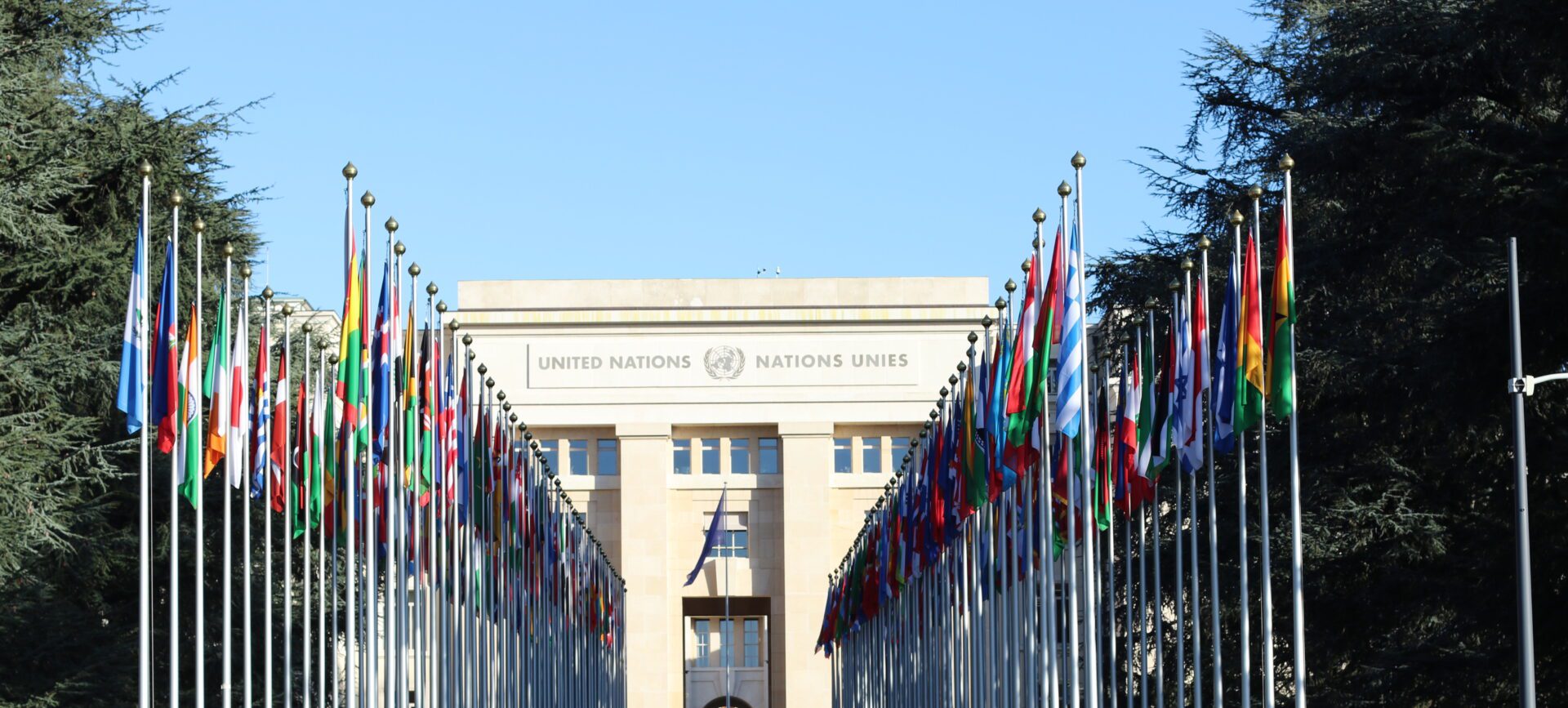
The United Nations (UN) is an intergovernmental organization dedicated to the promotion and protection of human rights throughout the world. The UN has created most of the international human rights standards to combat human rights violations and, as such, represents an important space for civil society organizations working to conduct advocacy and address different forms of discrimination.
The United Nations System is composed of various bodies and treaties, including the Human Rights Council – a political body that gathers together States, civil society organizations, experts and UN staff, in sessions to strengthen the promotion and protection of human rights around the world. The Council can establish Special Procedures, which are mechanisms headed by Special Rapporteurs that report on specific population situations and work on new international standards. It also has key tools such as the Universal Periodic Review (UPR), which are periodic assessments of States conducted by their peers (other States) regarding their responsibility to fully respect and implement all human rights and fundamental freedoms.
The UN can also establish committees of Independent Experts to monitor the implementation of States parties’ obligations under international human rights treaties, such as the Committee on the Elimination of Racial Discrimination (CERD) and the Committee on the Elimination of Discrimination against Women (CEDAW).
Our Work at the UN
The Institute on Race, Equality and Human Rights (Race and Equality) promotes the participation of Latin American civil society organizations in different UN human rights mechanisms, particularly those working on issues of race, gender, LGBTI+ persons and the protection of human rights defenders in contexts of authoritarian regimes.
For years, we have provided technical assistance to our partners in order to increase their participation and engagement with the UN. We support them in the preparation of alternative or “shadow” reports to be submitted to the UPR and other UN treaty bodies, and in the preparation of complaints submitted for Special Procedures mandates.
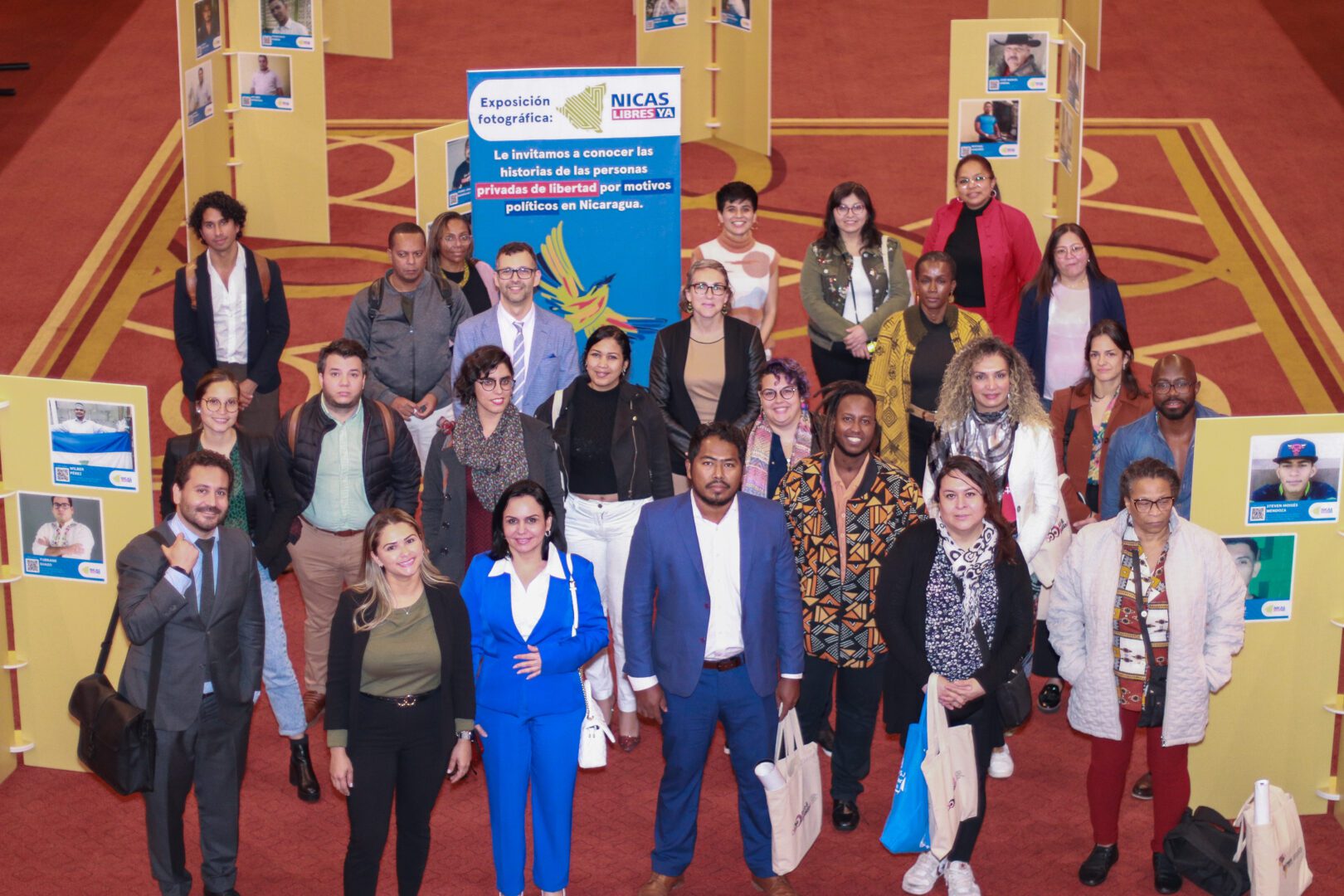
We also facilitate the participation of our partners in meetings with diplomats, UN officials and other relevant parties; we promote public events with our partners to publicize the conclusions and recommendations of the mandates of various organizations, with the aim that these findings can become advocacy tools for civil society organizations in Latin America.
Our Achievements
- We have supported partners participating in different avenues of the United Nations, such as the participation of representatives of Brazilian civil society in the first session of the Permanent Forum of Afro-descendants in December 2022, and the participation of two indigenous leaders from the Amazon and Amapá States in Brazil, to the annual meeting of the Expert Mechanism on the Rights of Indigenous Peoples.
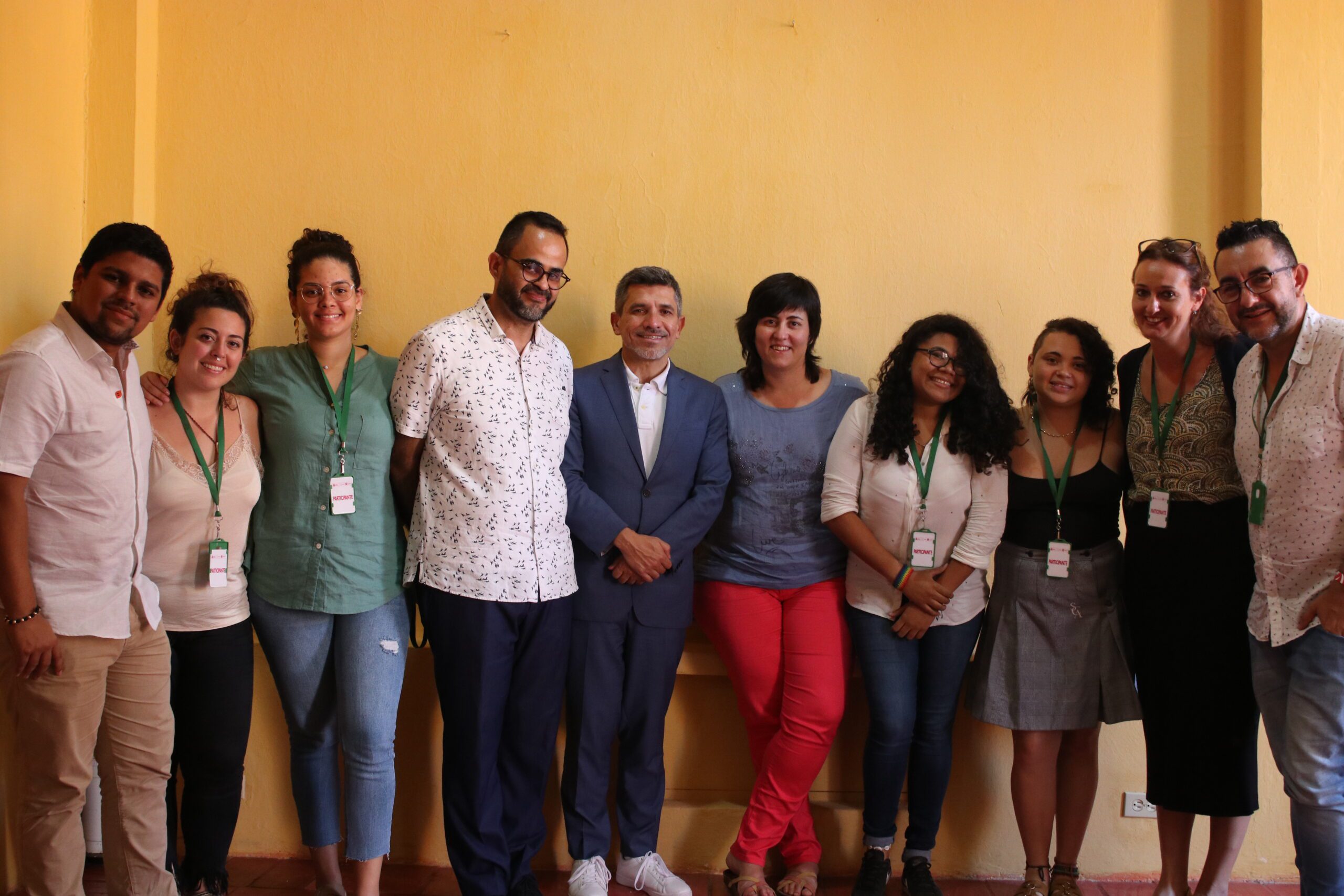
- We accompany our partners at Treaty Body reviews, the UPR, Human Rights Council sessions and regular meetings with Special Procedures. In April 2022, we accompanied delegations of Cuban activists to the review of the State by the Committee against Torture (CAT). In August 2022, we supported a delegation of Brazilian organizations to the presentation of the UPR review of Brazil.
- We have conducted advocacy campaigns, including meetings with diplomatic missions and United Nations bodies, for the creation of new mandates and the renewal of existing mandates. In 2022, we advocated for the creation of the “Group of Experts on Human Rights on Nicaragua” and, subsequently, in 2023 we advocated for the approval of Resolution A/HRC/RES/52/2, which reinforces and renews this mandate for a further two years.