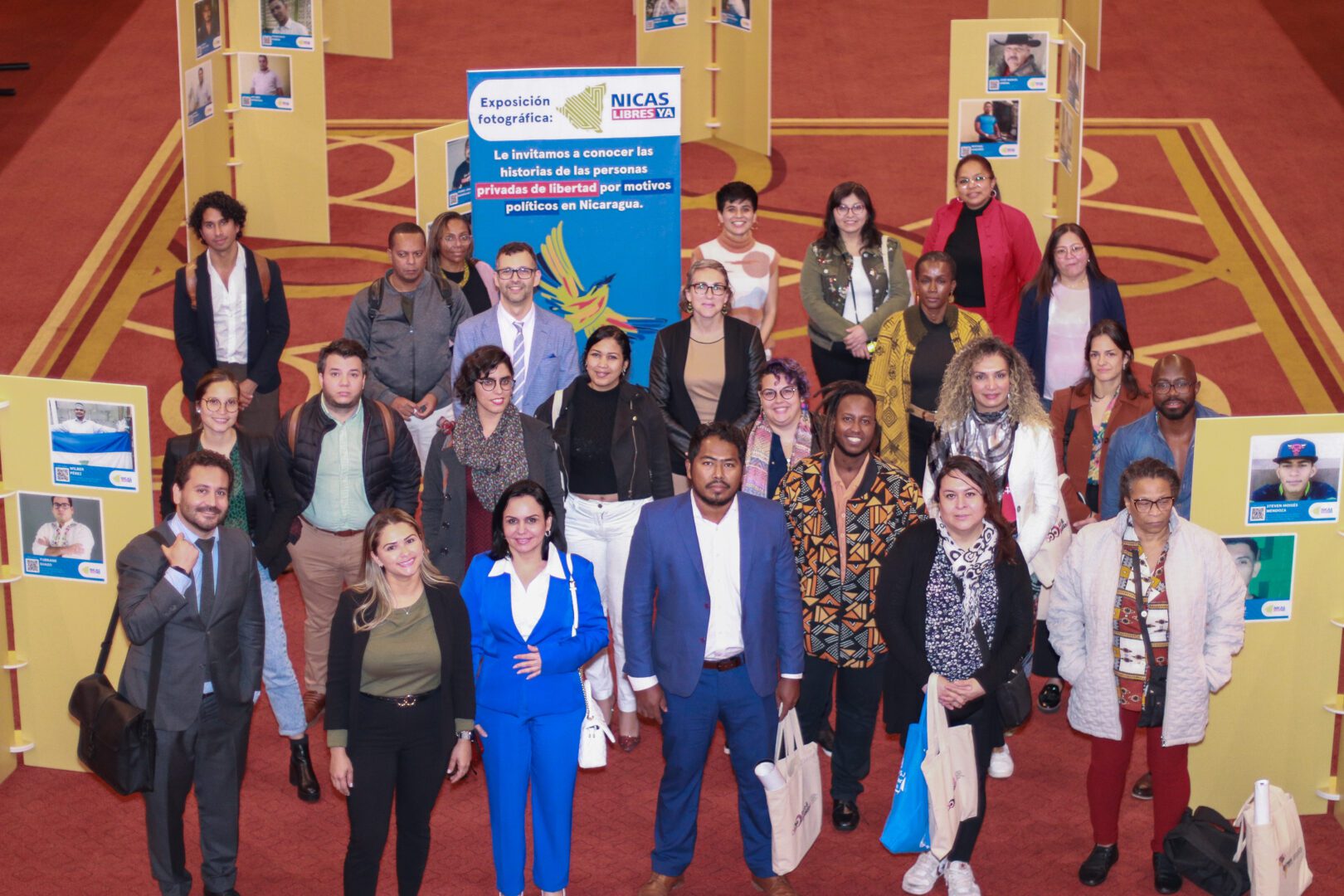
Afro-descendant organizations brief UN experts on the structural challenges faced by the Afro-descendant population in Mexico
Washington, D.C., May 20, 2026. – During the official visit to Mexico by the United Nations Working Group of Experts on People of African Descent, civil society organizations, community leaders, […]
Washington, D.C., May 20, 2026. – During the official visit to Mexico by the United Nations Working Group of Experts on People of African Descent, civil society organizations, community leaders, and representatives of African descent from different regions of the country shared with the international experts their main concerns, challenges, and demands regarding human rights, recognition, political participation, racial justice, and sustainable development.
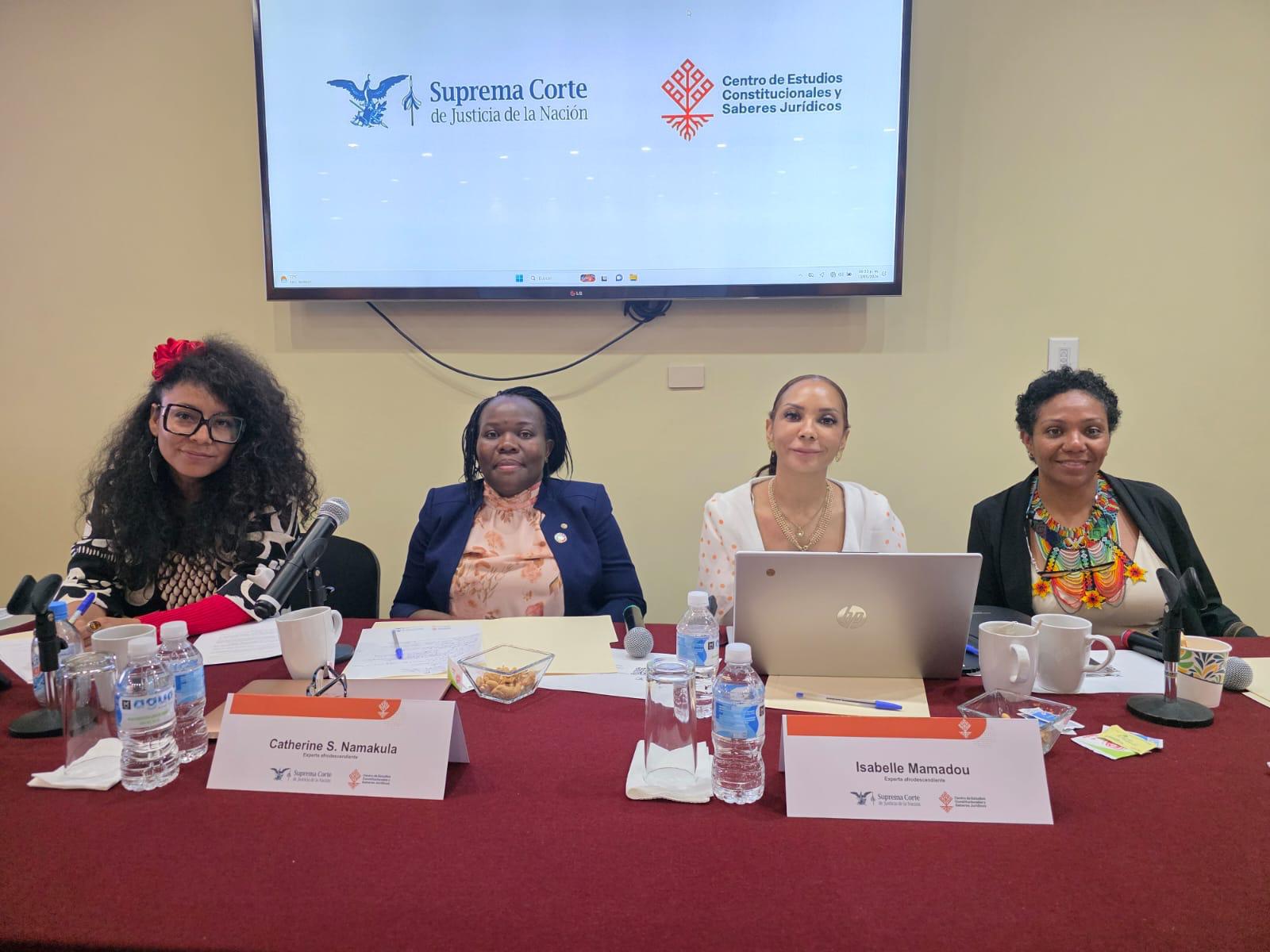
The official visit, which began on May 11 and will conclude on May 20, is led by Isabelle Mamadou, chair of the Working Group, and Catherine Namakula, a member of the mechanism. During their stay in the country, the experts have examined the human rights situation of people of African descent in Mexico, gathering information on racism, racial discrimination, xenophobia, and related forms of intolerance, as well as promoting the implementation of the Second International Decade for People of African Descent (2025–2034).
The delegation held meetings with government authorities, national institutions, representatives of the legislative and judicial branches, as well as with people of African descent, civil society organizations, and other actors working on issues of racial discrimination and human rights.
The Institute on Race, Equality, and Human Rights (Race & Equality) had the honor of supporting the coordination of dialogue spaces and meetings between experts and activists of African descent in the various regions visited. These spaces were made possible thanks to the commitment, leadership, and mobilization capacity of Afro-descendant community leaders who brought together organizations, community authorities, youth, women, human rights defenders, and representatives from various sectors of their communities to engage in dialogue with the United Nations experts. Race & Equality extends special thanks to Rosa María Hernández Fitta in Córdoba and Yanga (Veracruz); Teresa Mojica and the members of Afrocaracolas in Puerto Marqués (Guerrero); Sergio Peñaloza in Cuajinicuilapa (Guerrero); and Yolanda Camacho in El Azufre (Oaxaca), whose work in coordinating local efforts made possible the broad and diverse participation of the Afro-descendant population. Without their commitment and leadership, these meetings would not have been possible.
The activities began on May 13, 2026, with a meeting held at the Center for Constitutional Studies and Legal Knowledge of the Supreme Court of Justice of the Nation, represented on this occasion by Dr. Gema Tabares.
During the meetings, the main concerns raised by Afro-descendant organizations and communities highlighted that:
Although there has been institutional progress aimed at the Afro-Mexican population, these efforts remain insufficient due to budgetary constraints, a lack of political will, and a predominantly indigenous-focused approach that does not fully address the realities, identities, and specific needs of Afro-descendant peoples and communities.
In this regard, the need was reiterated to create an institution dedicated exclusively to the Afro-descendant population, with adequate resources, trained staff, and the capacity to implement comprehensive and sustainable public policies.
Likewise, the organizations emphasized the urgency of strengthening affirmative action and ensuring genuine political representation for people of African descent in decision-making spaces. They expressed concern over the constant attempts to seize candidacies intended for Afro-Mexicans and over the use of the census as the sole mechanism for verifying Afro-descendant status, despite the low level of self-identification resulting from centuries of historical invisibility and racial discrimination.
The organizations also highlighted the need to advance the recognition of the autonomy and self-determination of Afro-descendant peoples and communities, as well as their own normative systems, forms of organization, and self-governance.
Likewise, they expressed concern over the lack of specific consultation protocols for Afro-Mexican peoples, the absence of numerous communities from the National Catalog of Afro-Mexican Communities, and the stalling of discussions regarding an Afro-Mexican regulatory law that would translate constitutionally recognized rights into public policies, protection mechanisms, and concrete guarantees.
The organizations denounced that the Afro-Mexican population continues to face significant barriers to accessing inclusive education free from discrimination. Among the main concerns highlighted was the absence of Afro-Mexican content and curricula in classrooms, a situation that contributes to the historical erasure of the contributions of the Afro-descendant population and perpetuates racial stereotypes.
Likewise, they pointed out the lack of effective access to technical and university education for many communities of African descent. Even when families make significant financial efforts to ensure their children can pursue higher education, obstacles to accessing decent jobs persist due to discriminatory practices and structural racism in the labor market.
The organizations also denounced that racial profiling remains a daily reality for many people of African descent, particularly when they leave their ancestral communities. They are frequently perceived as foreigners or migrants due to their physical characteristics, facing acts of discrimination, questions about their nationality, and differential treatment by authorities and private individuals.
The organizations underscored the importance of incorporating an intersectional approach in analyzing the human rights situation of the Afro-descendant population in Mexico. They highlighted that Afro-descendant women continue to face multiple forms of discrimination stemming from the intersection of racism and sexism, as well as higher levels of economic exclusion, violence, and barriers to accessing spaces for participation and leadership.
For their part, youth of African descent face specific obstacles related to access to quality education, employment, opportunities for social mobility, and political participation, in addition to frequently being affected by criminalization, stigmatization, and violence.
Likewise, the situation of Afro-descendant migrants was highlighted, as they face heightened forms of discrimination and vulnerability due to the convergence of factors such as race, nationality, immigration status, and socioeconomic exclusion.
Another issue addressed was the protection of Afro-descendant cultural heritage, particularly Afro-Seminole, an English-based creole language spoken by the Mascoga community in Coahuila and currently in danger of extinction.
The organizations also highlighted the need to strengthen and support community initiatives aimed at preserving Afro-descendant historical memory, including community museums such as the Afro-Mexican Museum of Huehuetán, cultural spaces, and artistic projects that play a fundamental role in building identity, collective self-esteem, and the fight against invisibility. However, they noted that these initiatives continue to receive scant institutional and financial support.
Afro-descendant communities in coastal areas also warned of the impacts of climate change, the state’s neglect, and economic projects that are affecting their territories and livelihoods, especially in places like Puerto Marqués, in Acapulco, and El Azufre, in Oaxaca.
In addition, they denounced the impacts of violence and organized crime, including disappearances, murders, intimidation, and lack of access to justice.
The activists also highlighted the urgent need for adequately equipped health centers with permanent staff. Currently, many people of African descent must travel long distances to access medical care or resort to high-cost private services, a situation that seriously limits the exercise of the right to health.
They also expressed concern that many government programs and support initiatives establish requirements that are inaccessible to Afro-descendant communities, organizations, and activists, thereby excluding precisely those who most need access to these resources.
The participating organizations emphasized the importance of the Working Group’s recommendations contributing to the strengthening of the recognition, protection, and effective guarantee of the rights of people of African descent in Mexico, from a perspective of historical reparations, racial justice, substantive equality, and effective community participation.
Today, May 20, 2026, the Working Group of Experts on People of African Descent will present its preliminary observations and recommendations during a press conference at the conclusion of its official visit to Mexico. Subsequently, the final report on the mission is expected to be presented to the United Nations Human Rights Council, possibly in September 2026.
Race & Equality reaffirms its commitment to continue accompanying and supporting the Afro-descendant population in Mexico, as it has done for many years, by promoting spaces for dialogue, strengthening the capacities of Afro-descendant organizations and leaders, advancing national and international advocacy processes, and contributing to the defense of their human rights.
We are confident that the conclusions and recommendations resulting from this visit will help shed light on the challenges that people, peoples, and communities of African descent in Mexico continue to face, as well as strengthen the actions necessary to advance toward racial equality, historical reparations, full recognition of their rights, and effective participation in the country’s political, economic, social, and cultural life.
We also spoke with the migrant community, but I changed the term to “Afri-Mexican”
The activists deserve recognition because, without financial support, they managed to organize the community and give the experts a warm welcome, covering the logistical costs.
I think it’s important to note these dates