Os caça-níqueis com tema de dinheiro e recompensas continuam entre os favoritos dos jogadores brasileiros, e não é difícil entender o motivo: visuais chamativos, mecânicas simples e a promessa de multiplicadores generosos criam uma experiência divertida mesmo para quem está começando no mundo dos slots online.

O Сash mania segue essa linha, trazendo um layout colorido, símbolos clássicos de cassino e rodadas bônus que podem aumentar significativamente os ganhos durante a sessão de jogo. A jogabilidade é intuitiva, com controles simples de aposta e giro automático disponíveis para quem prefere um ritmo mais rápido.

A volatilidade do jogo tende a ser moderada, equilibrando ganhos frequentes de menor valor com a chance ocasional de rodadas bônus mais recompensadoras. Isso torna o slot acessível tanto para quem joga por diversão quanto para quem busca sessões mais longas com um saldo controlado.

Como em qualquer jogo de cassino online, é recomendável testar a versão demo antes de apostar dinheiro real, além de verificar se o cassino escolhido para jogar possui licença válida e processos de pagamento transparentes.

Race and Equality Launches Campaign In Favor of Female Political Prisoners’ Rights in Cuba

Race and Equality Launches Campaign In Favor of Female Political Prisoners’ Rights in Cuba

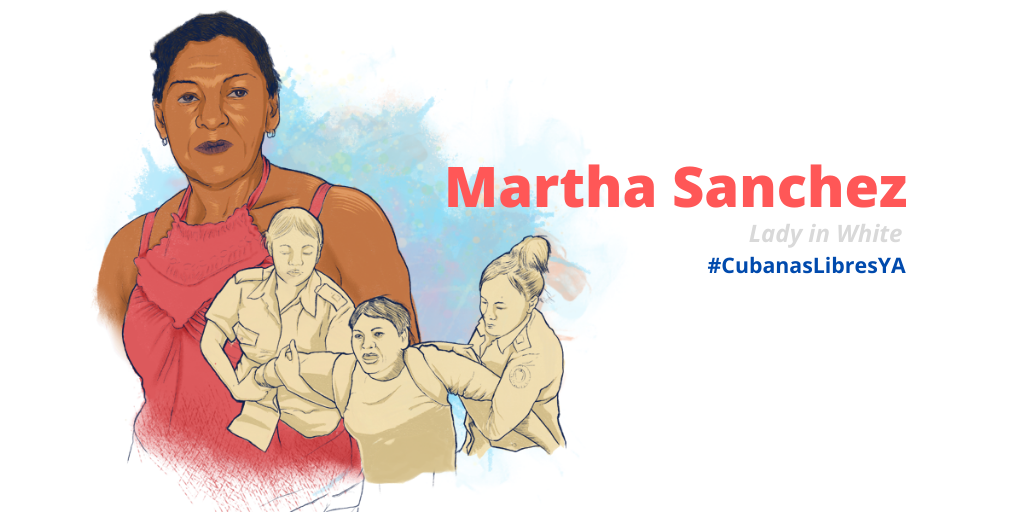
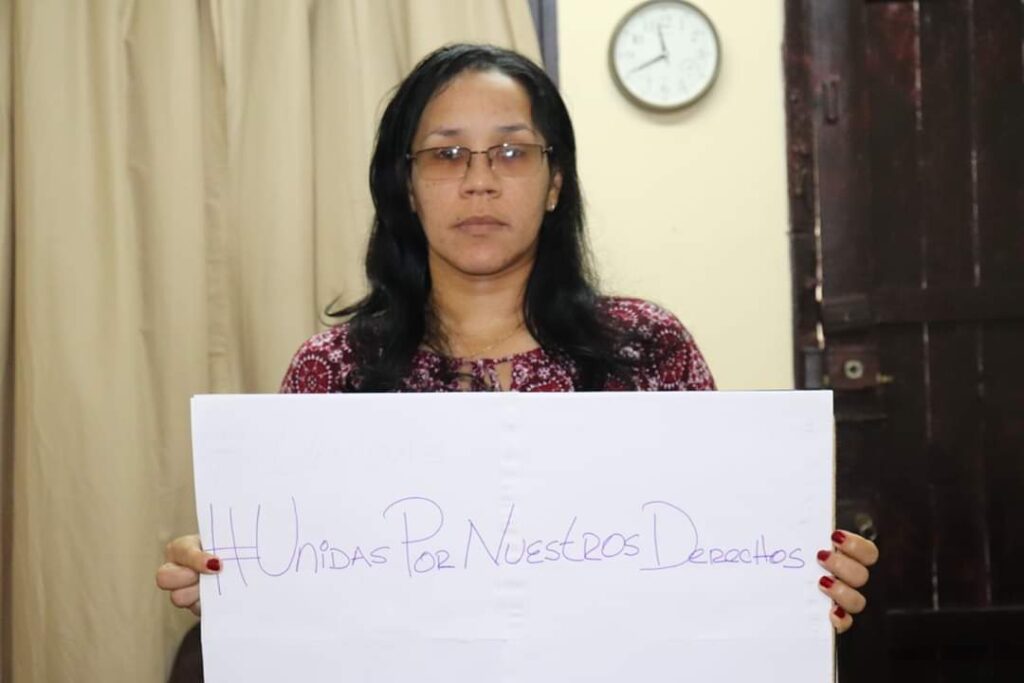
On the eve of International Women’s Day, the International Institute on Race, Equality and Human Rights (Race and Equality) launches the campaign #CubanasLibresYA (“Cuban Women Free Now”), which seeks to illustrate the human rights situation of women in Cuba, in particular of those who serve arbitrary and unjust prison sentences at the hands of the Cuban State as a result of their political activism in favor of human rights on the island.

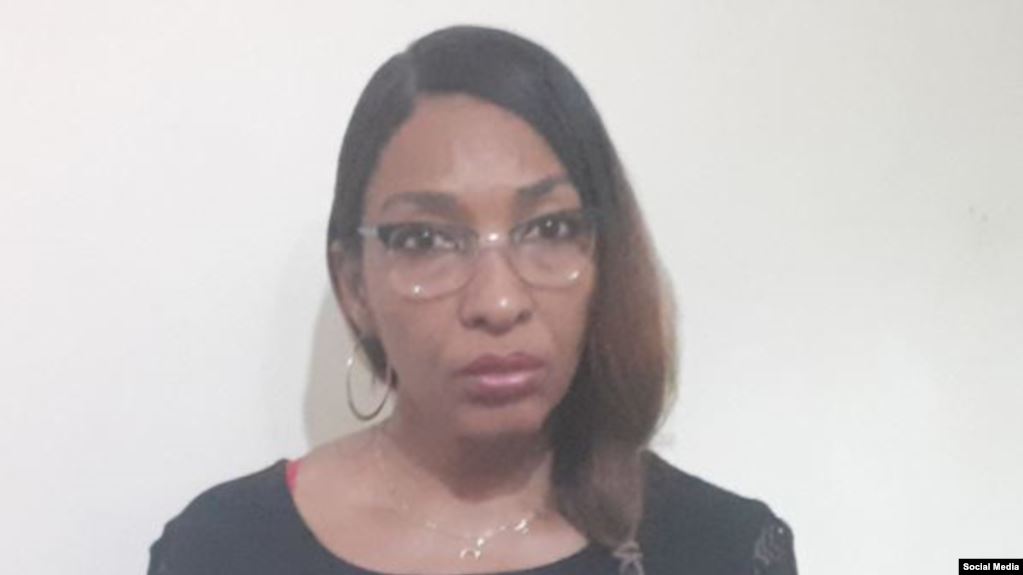
The campaign will run during the first half of the year and will seek to tell the stories of 10 female political prisoners of the Cuban State who are currently either serving their sentences across the prisons of Cuba, are victims of house arrest, or are recently released but served as political prisoners as a result of their activism.

“Although repression against human rights defenders, journalists, and other political activists is part of the reality of Cuba, its distinct impact on women is not discussed enough, despite the fact that the number of arbitrary detentions of women either matches or in some cases exceeds that of men,” stated Race and Equality’s Senior Legal Program Officer, Christina Fetterhoff.

https://www.youtube.com/watch?v=cGAcD5sRyNE

Similarly, Fetterhoff explained that there are different levels of violence suffered by women in detention. There is a significant gap in terms of gender parity, equality, inclusion, and acknowledgement of rights, that impacts a woman’s social circle when she is detained. “The reality of Cuban women is very chilling; their full enjoyment of economic, social, and political rights is very limited, so when a woman head of household is imprisoned, not only does it have an obvious social impact, but also a disproportionate impact on the life of the family and the community that depends on that woman.”

The campaign also seeks to place on the public and international agenda the lack of information that exists on the state of female political prisoners and of the systematic rights violations carried out inside Cuban prisons. “We know from conversations with former political prisoners and with families of those still in prison that the conditions are inhumane. They lack access to female hygiene products, basic medical attention, and safe conditions to sleep. They also are impeded from making phone calls or having visits from family members on many occasions. There is no verified information about what goes on in prison with these women, as no international organization has been allowed access to monitor their conditions. Cases similar to that of Xiomara Cruz are very likely happening in Cuban prisons today,” said Fetterhoff.

The launch of the campaign #CubanasLibresYA on March 6 will commemorate International Women’s Day through posts on Race and Equality social media networks. The campaign will open with the story of Martha Sanchez one of the female political prisoners belonging to the Ladies in White.

Read here Martha´s story

Race and Equality invites you to amplify the message to bring to light the repression against human rights defenders who are specifically targeted for their political beliefs, and more specifically to showcase the human rights situation of women victims of male chauvinist standards that persist in the country.

Cuban Institute for Radio and Televsion censors same-sex kiss

On February 29, the Cuban TV program Pensando en 3D (Thinking in 3D) showed the film Love, Simon, which tells the story of a gay teenager who falls in love with a classmate. Over the course of the film, Simon learns to accept his sexual orientation and comes out as gay to his friends and family. Despite the film’s core message of acceptance, Pensando en 3D censored the climactic scene in which Simon, played by Nick Robinson, shares a kiss with Bram (Josh Duhamel).

Across social media, the Cuban LGBTI community expressed shock and indignation at this censorship. Activsts called for a public protest in front of the Cuban Institute for Radio and Television (ICRT, in Spanish), located in the Vedado neighborhood of Havana, on Sunday, March 1st. The “kiss-in” protest aimed to reject this stigmatization of LGBTI love, call for an apology from the Institute and demand another showing of the film without censorship.

Yadiel Cepero, an activist from Matanzas province, led the charge for the kiss-in and told Race and Equality that debate about the censorship and the LGBTI community’s demands took place across Cuban social media. As March 1st approached, several activists received threats of harm if they attended the protest. Despite these threats, and knowing that Cuban State Security would seek to break up the protest, LGBTI activists set out to assemble in front of the Institute.

Jancel Moreno, who planned to report on the kiss-in for Cuba’s independent media, was intercepted by two officers on the road to Havana. According to Moreno, “two men calling themselves Lieutenants Alejandro and David told me to come with them. They held me in a building off the road between Matanzas and Bacunayagua bridge for several hours to prevent me from reaching Havana.”

Also on Sunday, the activist and artist Luis Manuel Otero Alcántara, who was also preparing to attend, posted on social media: “I am surrounded by political police trying to prevent me from going to the kiss-in outside ICRT, but I’ll see everyone there!” His partner, the activist Claudia Genlui Hidalgo, was struck by police officers as she tried to prevent them from detaining Luis Manuel.

The same day, the ICRT posted a statement on their website apologizing for the censorship:

“In response to this mistake, a review was conducted with the employees who edited the scene. The omission of the scene did not stem from any homophobic positions on the part of the ICRT or the leadership of Cuban Television, as some have implied on social media.”

TheICRT also decided to re-broadcast the film next Saturday, with the kiss scene included. Energy for the kiss-in dispersed after the apology, but some activists chose to persist, stating that the protest was about more than the particular scene.

As the protest grew closer, LGBTI activist and director of the independent outlet Tremenda Nota Maykel González Vivero received a threat from a social media user calling himself Elpidio Valdés. The message read, “let’s see if you can even make it out of your cheap house.”

González Vivero, another independent journalist, wrote on his Facebook page that the kiss-in had been cancelled due to the ICRT’s apology, but others stated that ICRT leadership should be pushed to disseminate the apology over the airwaves. Around twenty activists eventually assembled in Vedado, where State Security and police officers were already waiting. Local buildings had also been decoated with Cuban flags and posters with Revolutionary imagery.

Cuba’s LGBTI community remains outraged at the censorship, which is merely the latest incident of Cuban TV programming giving offense to LGBTI people and members of racial minorities. We call upon the Cuban state to respect its internatinoal commitments to cease discrimination against LGBTI people among public officials and to educate all Cubans about the human rights of LGBTI persons.

Who guarantees human rights in Cuba? Statement on Human Rights Day

As the international community marks Human Rights Day, the International Institute on Race, Equality and Human Rights (Race and Equality) laments the human rights crisis that continues to afflictthe Cuban people, particularly activists, human rights defenders and journalists. These independent actors suffer all manner of violence, harassment, repression and threats as a result of their efforts to defend and promote human rights.

Although Cuba has committed to protect and promote human rights by signing multiple international treaties, the government constantly attacks activists, rights defenders, artists and journalists, impeding their efforts to share the truth about life in Cuba and promote change. As Race and Equality has documented, Cuba’s Criminal Code contains numerous flaws and loopholes that allow the government to criminalize rights defenders and violate their freedoms of expression, association and the press, among others.

The situation of political prisoners in Cuba is also highly concerning. These prisoners suffer from deprivation of liberty as a result of their activism, legal proceedings without due process, and serious mistreatment while imprisoned. In particular, Race and Equality calls the international community’s attention to the case of José Daniel Ferrer, a leader of the Unión Patriótica de Cuba-UNPACU (Patriotic Union of Cuba) who has been imprisoned for over three months on false charges and who, according to testimonies in independent media, has been abused in prison.

We also wish to raise an alarm about the rise in harassment, arbitrary detentions, threats, police raids and de facto house arrestsof activists. According to the most recent report by the Cuban Human Rights Observatory, 218 arbitrary detentions took place in November alone, along with what the Observatory classified as “a defamation campaign by the government, meant to attackdissidents.” This repression falls particularly heavily upon female activists and journalists, who in recent months have reported constant abuse by Cuban police. Afro-Cuban activist Nancy Alfaya, journalist Luz Escobar and the Damas de Blanco (Ladies in White) are only the highest-profile examples of violence and repression against women who challenge the status quo.

The Cuban government also uses the policy of “regulation” against activists, violating their right to freedom of circulation. The state uses travel restrictions known as “regulations” to forbid activists or journalists from leaving Cuba, especially when they seek to participate in international fora where they could expose human rights violations. These restrictions violate not only activists’ right to pursue human rights work, but also the rights of all people to free circulation, expression and opinion.

The tactic of de facto house arrests, in which police loiter near an activist’s home and forbid him or her from going outside, is also on the rise. This tactic prevents rights defenders from organizing or attending meetings and protests, silencing their voices and tamping down civil society. It has also violated the basic rights of victims by keeping them trapped inside for days at a time, preventing them from seeing doctors and completing other vital functions. In order to prevent independent action on Human Rights Day, Cuban State Security has warned several activists of severe consequences if they leave home today, without any explanation. One activist reported simply being told not to leave home “until further notice.”

This pattern of accelerating rights violations is especially severe for activists who oppose the politics or philosophy of the current government and who publicly denounce rights violations and other social issues in Cuba. These dissidents are targeted for violence by State Security forces, putting their lives and personal integrity in danger.

On Human Rights Day, Race and Equality insists that the Cuban State end its criminalization of human rights promotion and its repression of differing views. The State, as the guarantor of human rights, must act to prevent all forms of violence facing dissidents and rights defenders in Cuba. We also remind the Cuban government of its international commitments to recognize, respect, and promote human rights for all its people, without distinction or discrimination.

Race and Equality will continue to monitor the situation in Cuba, denounce rights violations, and promote human rights for all. We commit to ensuring that the work of activists and rights defenders is protected from repression and threats.

Government´s “regulation” policy again threatens Cuban´s right to freedom of circulation

The International Institute on Race, Equality and Human Rights (Race and Equality) condemns Cuban authorities’ prohibition of women’s rights activists to leave the country, as well as grave violations of their human rights.

The International Institute on Race, Equality and Human Rights (Race and Equality) condemns Cuban authorities’ prohibition of women’s rights activists to leave the country, as well as grave violations of their human rights.

On December 5, several Cuban activists from various organizations were denied exit from the country by authorities. While some were explicitly informed that they were “regulated” – the term used by State Security to prohibit activists and independent journalists from leaving the country – others were sent to the Citizenship Office.

State Security went to the home of Madelyn Rodríguez Martin, a lawyer from the Consejería Jurídica e Instrucción Cívica (Legal Counseling and Civic Education), and threatened her. Captain Otoniel told her that he knew she was going to travel and that it was better not to go, that if she tried to leave her house they would detain her for 72 hours.

In the case of Irina León Valladares, an activist of the Movimiento Dignidad (Dignity Movement), Major Orestes Ayala of State Security showed up at her mother’s house, who suffers from hypertension, diabetes and other diseases, to warn her to tell Irina that she could not leave the country because she was regulated, and that they would only let her leave the country if she did not return. On December 6, Ms. León Valladares went to the Immigration Office, and there, was informed about the “regulation.”

Likewise, Neurelina Cardo Brizo, an activist from the Comité Ciudadanos por la Integración RacialCIR (Citizens’ Committee for Racial Integration), was notified at home that she was regulated. Major Alejandro went to her house and informed her that she was regulated and cited to appear at the police station on December 6 at 10 am. He did not tell her why she was being regulated.

Another activist arrived at the airport and was told that she was forbidden to leave the country. While trying to investigate the reasons behind the ban, she was informed that she should go to the Citizenship Office in Santiago de Cuba.

None of the activists were informed of the reasons for which they were regulated or the reasons why they had been prevented from leaving the country. These State Security actions are part of an increase, in the last two months, of prohibitions by the Cuban State so that human rights activists or journalists cannot leave the country – acts that violate Cubans’ right to free circulation.

Race and Equality calls on the Cuban State to cease harassment against human rights activists and their families, and reminds the State that the defense of human rights is not a criminal act, and as a right established in several of the treaties ratified by Cuba, must be guaranteed. Likewise, we remind the State that human rights defenders play an active role in the full development of egalitarian societies and the defense of the rights of all human beings. Several international bodies have highlighted their fundamental role and the need of the Cuban State to protect and guarantee their rights.

Nancy Alfaya has been targeted by the Cuban government for her work defending women’s rights

The International Institute on Race, Equality and Human Rights (Race and Equality) denounces a series of human rights violations suffered by the Afro-Cuban activist and human rights defender Nancy Alfaya. Nancy is part of the Citizens’ Committee for Racial Integration and coordinator of its partner organization Women’s Equality Network; a leader of the Writers and Artists’ Club of Cuba and the cultural group Puente a la Vista (Bridge to Perspective) and a co-founder of the internationally-recognized Damas de Blanco.

As a result of her activism fighting violence against women, Nancy has been targeted by the Cuban government. She and her husband recently returned to the country after spending 21 months living and studying in the U.S. Since her return, she has faced severe harassment and threats from the Cuban government and security forces. These abuses come in retaliation for her role in civil society organizations that seek respect for women’s rights on the island.

In recent weeks, Nancy has suffered constant harassment, threats and detentions at the hands of Cuba’s political police. On October 22, police officers waited outside the U.S. embassy to arrest Nancy and her husband as soon as they departed from an event. Nancy’s husband was released nearby, but Nancy was held arbitrarily for over 24 hours without being allowed to communicate with him.

“Upon arriving at the police station, they put me in a waiting room; when I told the police officer Alejandro, who had brought me to the station, that I needed to use the restroom, he accosted me harshly and yelled at me to sit back down. Two hours later, they brought me to the police station in La Regla, where they sat me in a hallway outside the cells. I was detained in a holding cell with only male prisoners for 25 hours. When they released me, they returned my confiscated cell phone, which was now broken,” testified Nancy.

Since her release, Nancy has not been able to leave her house without being closely tailed. “Jorge (Nancy’s husband) can go out without being surveilled or detained, but any time I try to leave the house, security agents appear and follow me,” says Nancy, who now is afraid to leave her home.

Nancy has been detained without any legal justification multiple times in the same week. At 1:30pm on November 21, she was detained outside her house by the same officer Alejandro. She was held for four hours and fined 150 pesos. At 9:30am the very next day, she was detained in the street as she made her way to a meeting at the U.S. embassy.

Nancy is currently on the Cuban government’s list of “regulated” individuals. Cuban authorities frequently use “regulation,” a policy allowing the government to restrict certain people’s free movement and travel, to prevent activists from leaving the county to participate in international fora where they could denounce human rights violations.

“I realized that I had been ‘regulated’ on November 7, 2018, when I tried to leave the country to participate in a women’s rights summit held by an organization in Peru. At the airport, they did not give me any explanation, but told me to go to the Immigration Office’s service department. There, they told me that I was under investigation and therefore could not leave the country,Nancy told Race and Equality.

Nancy has also been threatened with prosecution for “social dangerousness” on several occasions:

“On August 13, I went to the National Office of Immigration (part of the Ministry of the Interior) to request that they clear up my legal situation, since I had been under this investigation for nine months. The officials there offered to negotiate about my situation, proposing that they would lift my ‘regulation’ if I cooperated with the government, which I refused. This had repercussions the next day, August 14, when State Security and National Revolutionary Police officers surrounded a poetry event that we were holding at the Citizens’ Committee for Racial Integration office. Alejandro detained me when I tried to enter the office and threated to charge me with ‘social dangerousness’ for not having a job or a small business “cuentapropista” license.”

We are highly concerned for Nancy Alfaya’s safety in light of the constant rights violations and threats that she is experiencing, and we demand that the Cuban government act to guarantee her fundamental rights. Efforts to defend and promote human rights, which are protected by the Universal Declaration of Human Rights and the other treaties to which Cuba is a party, must never be criminalized. As the Inter-American Human Rights Commission has stated, “the defense of human rights can only be freely exercised when defenders are not subjected to threats or any type of physical, psychological, or moral aggression or other forms of harassment.”[1] Human rights defenders play a fundamental role in society, as the IACHR recognized in the case of Honduran activist Berta Cáceres: “rights defenders bring forth denunciations of violations, victims’ claims and community demands that contribute to the flourishing of the rule of law and democracy.”[2]

Race and Equality is committed to continuing our work supporting the efforts of Cuban activists to protect and promote the human rights enshrined the Universal Declaration. In recent years, Cuba has sought to criminalize human rights defenders by prosecuting them under criminal laws, taking advantage of vague statues in the Penal Code or continuing to apply laws that are known to violate civil and political rights.[3] The Cuban Observatory on Human Rights recorded at least 2,525 arbitrary detentions in 2018, in which at least 1,700 were of women.[4] In 2019, we have observed an increase in arbitrary detention and harassment by state security agents against human rights defenders, activists, journalists, and other figures in independent civil society.[5]

Women who work to defend human rights have been the most impacted by this new wave of repression. In September 2019, 14 people were placed under ‘regulation,’ of which 8 were women.[6] In an interview with the independent outlet Diario de Cuba, the activist Sara Cuba Delgado stated that “we are the most vulnerable actors, as you can see when looking at the issue of detentions.”[7] Women activists are prevented from leaving the country, live under threats of violence and are smeared as “bad mothers” for defending human rights and refusing to fit into the traditional roles for women in society.


[1] IACHR, Towards Effective Integral Protection Policies for Human Rights Defenders (2017), OEA/Ser.L/V/II, paragraph 13. Available at OAS.org.

[2] IACHR, Resolution 8/216, Precautionary Measures # 112/16, Members of COPINH and relatives of Berta Cáceres. 5 March 2016 (translated from original Spanish). IACHR, Resolution 46/2015, Precautionary Measures # 589/15, Members of the Better Life Association, 22 January 2014, paragraph 12. IACHR, Criminalization of Human Rights Defenders (2015), OEA/Ser.L/V/II, Doc. 49/15, paragraph 227. Available at OAS.org.

[3] IACHR, Criminalization of Human Rights Defenders (2015), paragraph 3. IACHR, Towards Effective Integral Protection Policies for Human Rights Defenders (2017), paragraph 89.

[4] Observatorio Cubano de Derechos Humanos. 2018: Detenciones arbitraries. Available at ObservaCuba.org [Spanish].

[5] Observatorio Cubano de Derechos Humanos, Gobierno de Díaz-Canel casi duplica las detenciones arbitrarias en septiembre (2019). Available at: ObservaCuba.org [Spanish]. Observatorio Cubano de Derechos Humanos, Aumentaron detenciones arbitrarias y actos represivos en Cuba en julio, denuncia el Observatorio Cubano de Derechos Humanos (2019). Available at: ObservaCuba.org [Spanish].

[6] Cubanet, “Esperaba que me recibieran así,” (2019). Available at: CubaNet.org [Spanish].

[7] Diario de Cuba, Doble violencia y cero amparo gubernamental: activistas cubanas por los derechos de la mujer (2019). Available at: DiarioDeCuba.com [Spanish].

Cuban journalists and human rights defenders report an increase in acts of violence, repression and harassment against their political activism

As part of the celebrations of International Day for the Elimination of Violence against Women (25N), the International Institute on Race, Equality and Human Rights (Race & Equality) emphasizes the increase in indiscriminate acts of harassment and arbitrary detentions against female activists and rights defenders in Cuba.

Although the Cuban state is obligated to protect the fundamental rights of women, guarantee their personal integrity and eliminate all forms violence or discrimination against them, women on the island, especially those involved in political activism, report constant rights violations. Cuban activists continue to feel threaten, harassed and criminalized for defending their rights and the rights of all Cuban women.

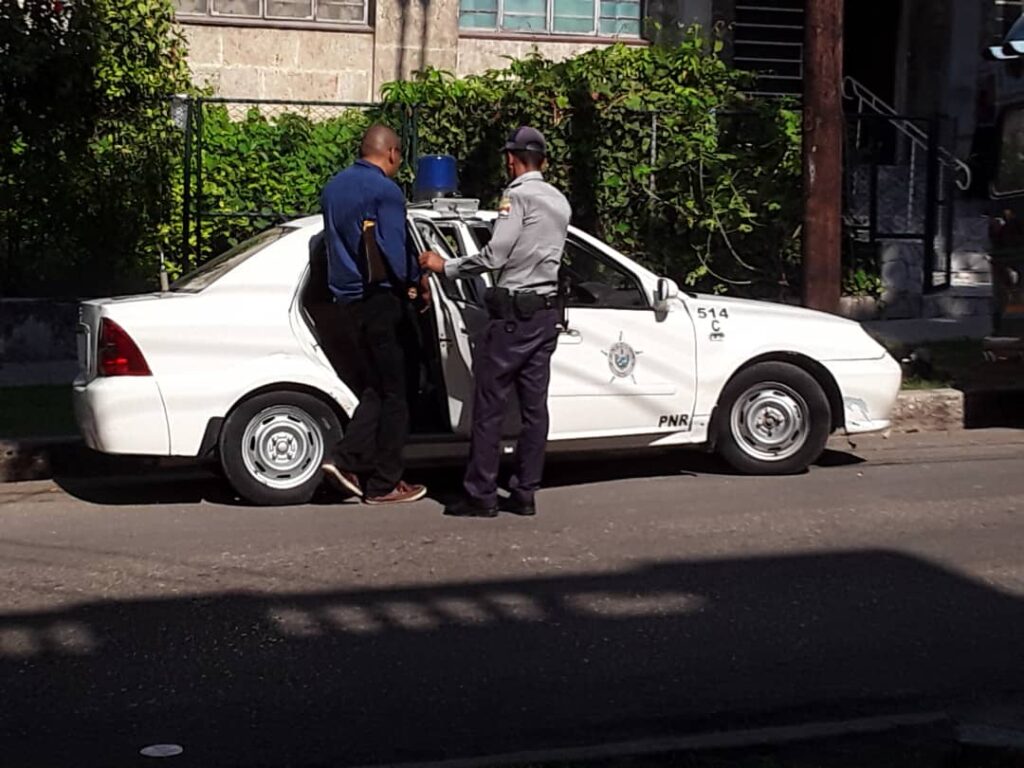
In recent weeks, a concerning number of repressive acts utilizing the well-known strategies of arbitrary detentions, short-term police ‘kidnappings,’ home raids and invasive surveillance have been recorded, particularly targeting female rights defenders.

Cuban activist Nancy Alfaya

Nancy Alfaya, an Afro-Cuban activist and rights defender who holds leadership positions in the Women’s Network for Equality, Citizens’ Committee for Racial Integration, Cuban Club of Writers & Artists and the cultural group Puente a la Vista (Bridge to Perspective), was detained two times within 24 hours in the last week. During her detention, she was threated by a State Security agent, who told her that she may be charged under ‘dangerousness’ laws. He also threatened to prevent her from taking part in any activity marking 25N and threatened to revoke the furlough granted to her husband, who was arrested as part of the 2003 “Black Spring” in which 75 civil society activists were detained. In the prior weeks, Nancy was monitored by surveillance operations that prevented her from leaving her house.

Marthadela Tamayo, cuban activist

Meanwhile, Marthadela Tamayo, also part of the Citizens’ Committee for Racial Integration and the Cuban Club of Writers & Artists, was detained on November 21st and held in an unknown location for several hours. Her interrogators told her that she would not be allowed to participate in any activities related to gender-based violence.[1] She was also threatened with a ‘dangerousness’ charge. Like Nancy, she had recently been followed by State Security agents who prevented her from leaving her house.[2]

Other cases include:

  • Journalist Luz Escobar was put under house arrest three times in less than ten days.
  • Journalist and activist Iliana Hernandez reported that officials fined her and revoked her business license last Thursday.
  • Micaela Roll, a member of the Damas de Blanco, was arrested on Friday upon leaving the Damas’ office and held in an unknown location for 48 hours.[3]

Although these arrests took place before 25N, they reveal a strategy by the government to avoid protests or other civil society actions against gender-based violence that might interfere with the commemoration of the anniversary of Fidel Castro’s death. Meanwhile, arbitrary detentions, violence, harassment and repression against women, especially female activists, continue to grow.

These repressive tactics have escalated in the lead-up to other official celebrations in Cuba, including May 1st, the 500th anniversary of the city of Havana and the visit by the King and Queen of Spain.[4] These tactics seek to prevent women leaders from moving about freely, limiting their ability to carry out effective activism.

As we mark International Day for the Elimination of Violence against Women (25N), we remind the Cuban state of its obligation to guarantee and safeguard the lives, integrity and free development of all women, free of any form of violence or discrimination. Likewise, we remind the government of its international obligations to recognize, respect and guarantee the rights of women, having signed and ratified the Convention for the Elimination of all forms of Discrimination Against Women (CEDAW).

Race & Equality calls upon the Cuban state to ensure free and safe passage for women activists and to protect their human rights. We emphasize that freedom of expression, opinion and of the press are all protected under international agreements to which Cuba is a party. We also demand that the Cuban state, in line with its obligations under CEDAW, assure that women enjoy development and social progress so that they may exercise and enjoy all their rights and freedoms in conditions of full equality.


[1] Ciber Cuba, State Security warns activists: “No activities this Monday” (2019). Available at (Spanish): https://www.cibercuba.com/noticias/2019-11-24-u199482-e199482-s27061-cero-actividad-este-lunes-advierte-seguridad-estado

[2] AND Cuba, Activists denounce harassment by the political police (2019). Available at (Spanish): https://adncuba.com/noticias-de-cuba/activistas-denuncian-hostigamiento-de-la-policia-politica

[3] Yolando Huerga, Restrictions and violence against women grow in Cuba, Radio Televisión Martí (2019). Available at (Spanish): https://www.radiotelevisionmarti.com/a/las-restricciones-y-el-acoso-contra-las-mujeres-crecen-en-cuba/252864.html

[4] CiberCuba, Police detentions during the celebrations of May 1st in Moa, Holguín (2019). Available at (Spanish): https://www.cibercuba.com/videos/sociedad/2019-05-06-u1-e199352-s27061-tonfa-limpia-termino-detencion-policial-durante

No more impunity! International Transgender Day of Remembrance

On Trans Remembrance Day, The International Institute on Race, Equality and Human Rights (Race and Equality) stands in solidarity with the struggles of trans women against the various forms of violence they have been victims of, particularly the violence that has obstructed their lives. The fight against the murder of trans people must be the fundamental basis of any discussion on the implementation of policies or recognition of gender identity. This is the most basic task of all States.

Brazil remains the country with the highest number of trans people murdered in the world. The dossier on murders and violence against transvestites and transsexuals in Brazil of 2018, prepared by the National Association of Transvestites and Transsexuals (ANTRA), noted that, in 2018 alone, 163 murders of transgender people occurred, 82% of them black. The largest number of trans people were killed in the state of Rio de Janeiro, with a total of 16 murders. According to current ANTRA data, as of November 11, at least 106 transgender people have been killed in Brazil this year(2019).

Murders of trans people also occur in all other Latin American and Caribbean countries.  The effort of some civil society organizations to better document this violence has resulted in various regional observatories that monitor violence throughout the region such as: Sin Violencia LGBT, la Red Lactrans, and the ILGALAC, among others. However, these valuable efforts do not replace the duty of States to adequately register and investigate these acts. The UN Independent Expert on protection against violence and discrimination based on sexual orientation or gender identity and gender expression stated in his 2019 report on data collection and management:

“The breakdown of data that allows comparisons to be made between population groups is part of States’ obligations in the field of human rights, and has become an element of the human rights-based approach to data use.”

Accordingly, we highlight the relevance of not only adequately characterizing violence against the trans population, but also having a better characterization that accounts for their socio-economic situation, educational contexts, and racial characteristics, as it appears that in countries like Brazil, the magnitude of gender identity violence, especially violence against trans people, has had a particular impact on people of African descent.

This task, apart from being carried out through adequate investigation and prosecution work from a criminal perspective, must be accompanied by preventive actions in the different areas of rights protection.  Some actions to adopt include the construction of policies that respond to the origin of multicausal violence, the prevention of domestic violence due to gender identity, transphobic bullying in educational settings, adequate health care with a differential approach, as well as actions of transformation and openness in work spaces.

From Race and Equality, and in alliance with the civil society organizations with whom we work in the Latin American region, we will continue to demand that integral political States denaturalize violence against trans people, and the oversight of names and lives that also deserve to be lived with full respect for their dignity and full guarantee of their rights.


Ler artigo em português

Race and Equality demands the Cuban State to immediate release activist Nancy Alfaya

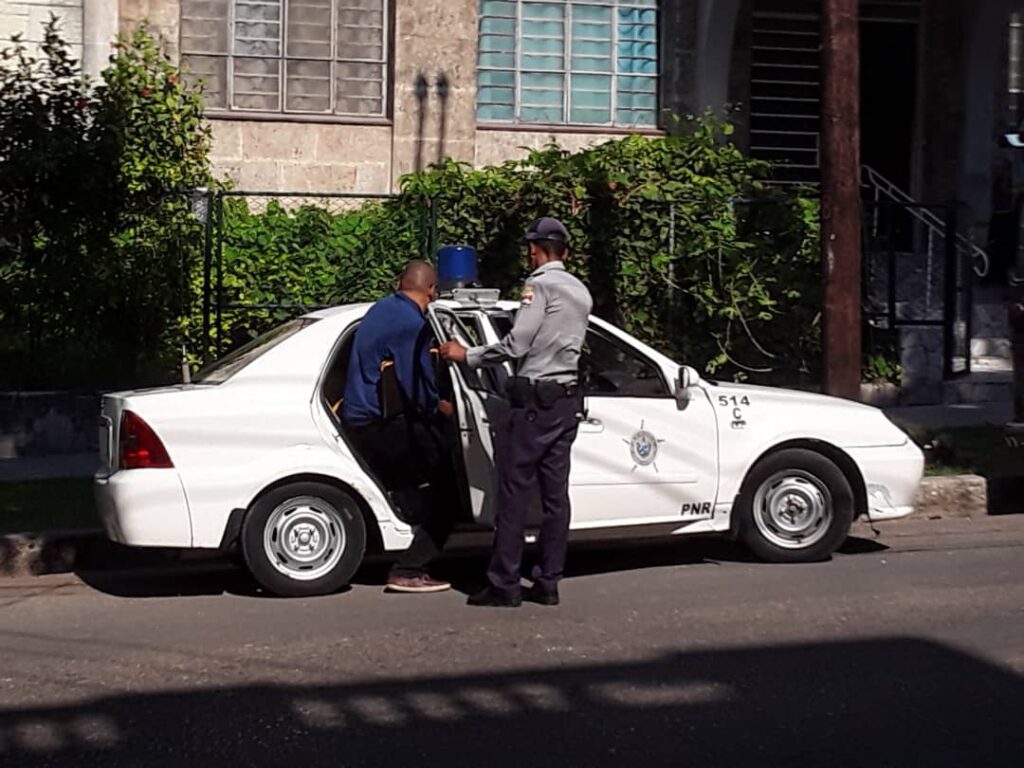
Washington D.C. October 23, 2019. The International Institute on Race, Equality and Human Rights (Race and Equality) warns about serious violations of the human rights of the Cuban activist Nancy Alfaya, who was arbitrarily detained yesterday afternoon and whose whereabouts are still unknown.

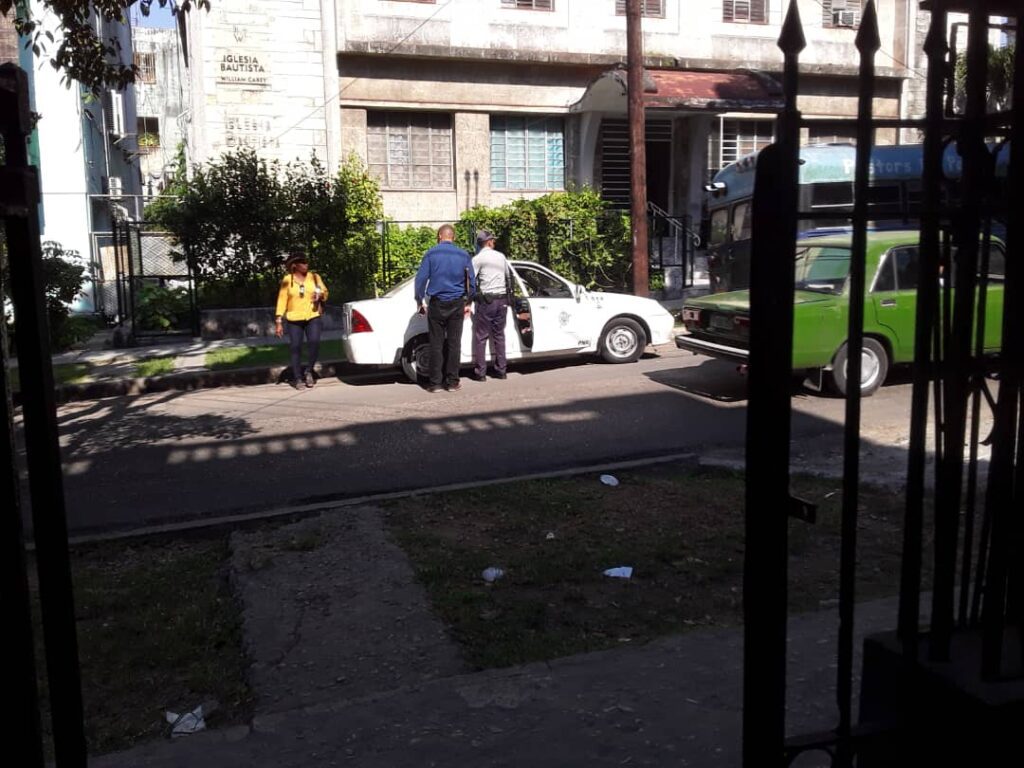
Nancy Alfaya and Jorge Olivera, both Afro-Cuban artists and activists, were arrested at around 3:30 p.m. by State Security agents as they were leaving the U.S. Embassy after attending an activity. According to the testimony of activist Marthadela Tamayo from the Citizens’ Committee for Racial Integration (CIR, for its initials in Spanish), Alfaya contacted her before being arrested and informed her that she would be taken to the San Miguel de Padrón Police Unit, which she heard from the officers. Activist Iván Hernández Carrillo managed to capture images of the arrest.

“To date, Nancy Alfaya’s whereabouts are unknown” reported multiple messages by Cuban activists and Cuban civil society organizations on social media.

Although Jorge Olivera was abandoned in the street of another municipality, Nancy Alfaya is still missing.

“When Jorge Olivera went to the San Miguel del Padrón Unit – where they had allegedly taken Ms. Alfaya – to ask about her whereabouts, the officers told him that she was never taken to that unit. Likewise, when he called the Central Unit that has the registry of detainees, he was told that Nancy does not appear under any unit,” adds Juan Antonio Madrazo Luna, director of the CIR.

Jorge Olivera, Alfaya’s husband, also visited the police units of Zanja and Dragones, but was not able to get any information about Alfaya. Afterwards, Mr. Olivera filed an appeal for habeas corpus, but didn’t receive any response.

Nancy Alfaya is an activist of the CIR and independent artist. This is the third time in October that she has been arbitrarily detained by State Security agents, who have also broken into cultural events organized by the activist. Despite the multiple arrests, this is the first time that the authorities have detained Alfaya for more than 24 hours.

To date, Nancy Alfaya’s family members are unaware of the activist’s whereabouts and the reason for her detention.

We denounce these serious violations of Cuba’s laws and the authorities’ lack of respect for due process and for their duty to guarantee Alfaya’s rights as well as serious transgressions of the international human rights obligations of the Cuban State.

According to article 244 of the Criminal Procedure Law, once a person is arrested, police officers must immediately deliver a record to the person stating the time, date and reason for the detention. Additionally, when an express request is made by the detainee or their relatives, the police or other authority must report on “the detention and the place where the detainee is found”. Furthermore, the new Cuban Constitution grants the right to the detained person to “communicate with their relatives or close friends, immediately”.

In relation to international treaties, the International Covenant on Civil and Political Rights, to which the Cuban State is a signatory, establishes that “[every] detained person must be informed, at the time of their arrest, of the reasons for the same, and notified, without delay, of the accusation made against them”. The Cuban State has not fulfilled any of these obligations.

Race and Equality strongly condemns the actions that transgress the rights and freedoms of activist Nancy Alfaya, demonstrating once again that the Cuban State has not changed its modus operandi concerning the arbitrary detention of activists, even after the approval of the new Constitution.

We urge the international community to pronounce on these facts that assail the human rights of Cuban activists, who continue to be systematically subjected to violations, repression, and arbitrary treatment from the Cuban regime.

Race and Equality demands effective medical care for the Cuban activist Xiomara Cruz Miranda

Photo: Radio Martí

The International Institute on Race, Equality and Human Rights (Race & Equality) expresses grave concern regarding the health of Cuban activist Xiomara Cruz Miranda, whose condition has worsened in recent days while she awaits a firm diagnosis. Her situation is all the more concerning given that she should be benefiting from the precautionary measures granted to her by the Inter-American Commission on Human Rights.

According to reporting from the independent media outlet Diario de Cuba and the testimony of her family members, Xiomara Cruz’s status remains delicate and uncertain. “She continues to be very debilitated, with constant fevers and severe muscle pains. Her doctors are giving her daily medications and running tests, but they still give vague answers to our questions and do not give us any written documents,” according to one of her family members.

At first, doctors believed that Xiomara suffered from tuberculosis; she has received tuberculosis treatments throughout her time in the hospital. However, tuberculosis tests conducted in early August showed negative results. According to a statement in Diario de Cuba by Xiomara’s daughter Clara Iznaga, the doctors could not explain this result and “they do not understand why she continues to have these pains…The doctors change their opinions and never give a clear answer. One day it is tuberculosis, the next day it is lung cancer. Although they have run several tests, they have never shown the results to the family, which is why we really do not trust the doctors.”

Although some press sources have reported that Xiomara will be sent home now that she is no longer believed to be contagious with tuberculosis, Cuban activists report that she will actually be transferred to another hospital to be tested for cancer. Doctors raised the possibility of lung cancer early in Xiomara’s ordeal and subsequently ruled it out, but her family members are now re-considering the possibility as they still cannot find any explanations for her continued illness.

“What they’re doing is putting us through a labyrinth,” said one family member regarding officials’ non-committal and negligent treatment of Xiomara and her family, noting that doctors have not yet addressed a third possible diagnosis of non-tuberculosis bacterial lung infection.

As Diario de Cuba reports, Cruz Miranda was sentenced to one year and four months in prison for her supposed crime of “threats.” She began her sentence in the El Guatao women’s prison and was later sent to Ciego de Ávila, where she was hospitalized with skin lesions and other symptoms that have only worsened over time.

In July of this year she was transferred to Havana for treatment in La Covadonga hospital (where she remained under custody). At the end of July, she was rushed to intensive care with low hemoglobin, fatty liver, fluid in her lungs, shortness of breath and a high red blood cell count along with the same skin condition.

Race & Equality insists that the Cuban state guarantee Xiomara’s right to health by prioritizing and delivering the medical attention that she needs. Although Xiomara was perfectly healthy upon being taken into custody, her life is now in danger. She is suffering from daily fevers, has lost weight and is very weak. Medical negligence and blatant violations of Xiomara’s rights to life, health and dignified treatment are obvious given these facts. We urge the international community to speak out regarding the serious danger to the activist and rights defender’s life.

Race and Equality denounces the detention of Patriotic Union of Cuba (UNPACU) leader José Daniel Ferrer and rejects false accusations levied against him

The International Institute on Race, Equality and Human Rights (Race and Equality) condemns the arbitrary detention of José Daniel Ferrer, activist and leader of the Patriotic Union of Cuba (UNPACU). José Daniel Ferrer was arrested this past Tuesday, October 1 in a military operation carried out at UNPACU’s headquarters in Santiago de Cuba. We categorically reject this repression as well as the violation of Mr. Ferrer’s fundamental rights and liberties.

Ferrer is being detained at the Versalles Operation Center of Santiago de Cuba’s Department of State Security and is being held on charges of challenging the Cuban regime by allegedly supporting anti-Cuban U.S. policy measures. He is also accused of injuring activist Sergio García González, who suffered an accident while riding a motorcycle. Garcia González is being pressured by State Security to testify that Ferrer and other activists attacked him and caused his injuries.

“I am the oldest daughter of José Daniel Ferrer. They want to jail my father by fabricating a crime of lesiones (“injury”) so that he becomes a common prisoner and not a political prisoner” José Daniel’s daughter, via his official twitter account

In a video published on Facebook, the UNPACU activist Carlos Amel Oliva interviews Garcia Gonzalez’ wife, who confirms that her husband’s injuries were not caused by Ferrer. Although García Gonzales has refused to be contacted by both government authorities and by representatives of UNPACU, he remains in danger of being coerced into testifying against Ferrer.

https://www.facebook.com/100010293360012/videos/959492631070507/?t=36

This is not the first time that the Cuban State has tried to frame José Daniel Ferrer. Last year, the activist was a victim of a smear campaign that accused him of attempting to assassinate a policeman named Dainier Suárez Pagán, who jumped in front of Ferrer’s moving vehicle. However, witnesses present confirmed that Ferrer was innocent of the charges levied against him.

Race and Equality, in its recent report on the justice system in Cuba, finds that such methods are often used by the Cuban State to single out, accuse and criminalize those who oppose the current regime and political system. The State obtains sentences using a Penal Code that vaguely defines the charges most frequently faced by activists, human rights defenders and independent journalists.

We call on the Cuban State to respect and guarantee the rights of José Daniel Ferrer, reiterating that political liberty as well as freedom of expression and association are fundamental rights of any individual regardless of nationality or political association. Race and Equality demands the immediate release of Ferrer and the rest of the UNPACU activists who remain in arbitrary detention.  We ask that the international community stand firmly against this repression of human rights defenders and reaffirm our commitment to the human rights of the Cuban people.

*Photograph taken from: www.cibercuba.com

Join Our Efforts

Help empower individuals and communities to achieve structural changes in Latin America.