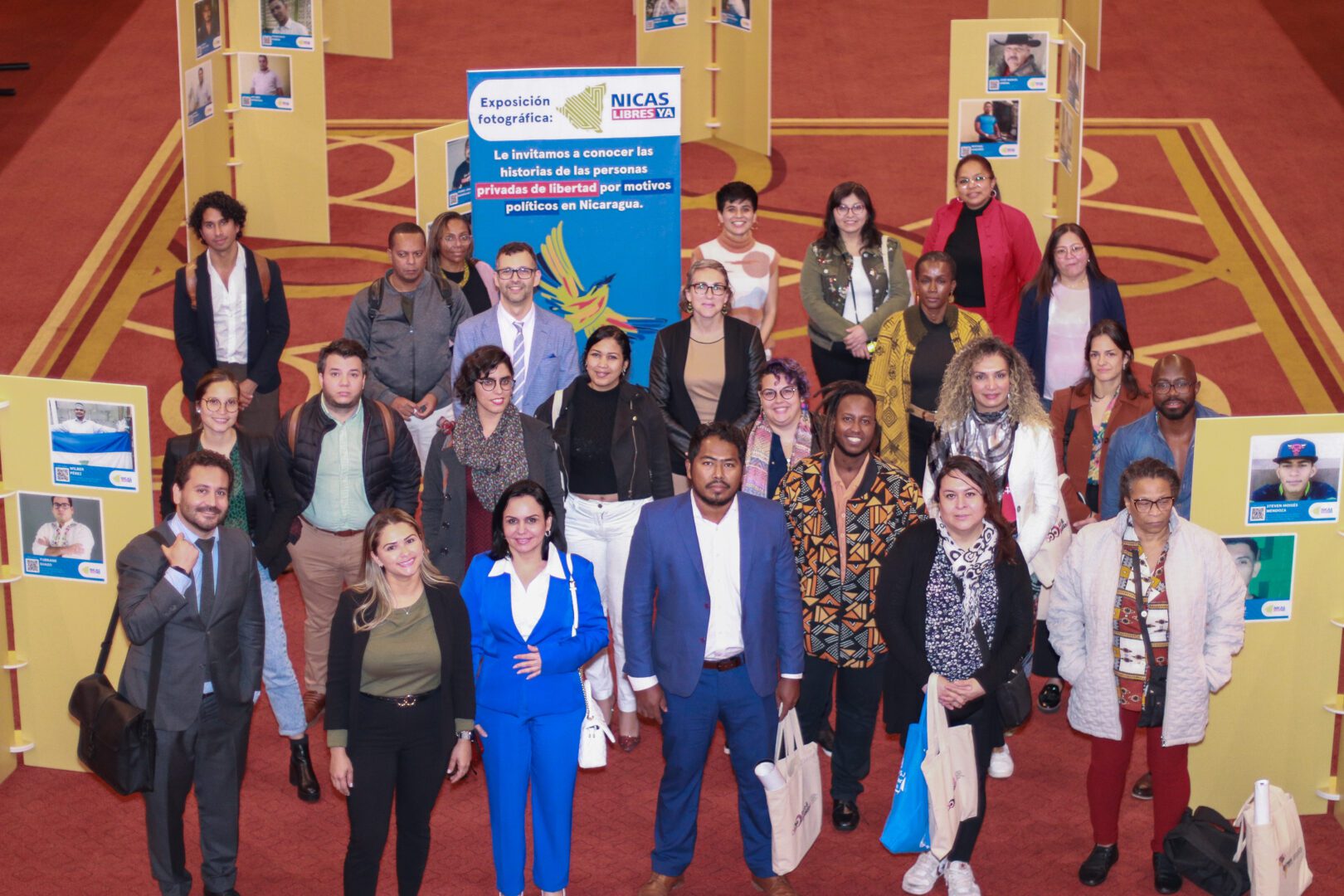
Interview with Beatriz Amaro, Afro-Mexican Leader: “If today we must speak up and raise our voices, we ask that we be allowed to raise them as Afro-Mexican communities”

Interview with Beatriz Amaro, Afro-Mexican Leader: “If today we must speak up and raise our voices, we ask that we be allowed to raise them as Afro-Mexican communities”

In the midst of the current humanitarian crisis in Mexico, due to the extremely grave situation of violence, unemployment, insecurity, and a very high rate of migration due to drug trafficking, as well as other sociopolitical issues that have not been addressed, the Afro-Mexican population continues to struggle for and demand constitutional recognition as a people whom, according to the data obtained in the 2015 Intercensal Survey administered by INEGI, totals 1,381,853 persons, equivalent to 1.2% of the national population.

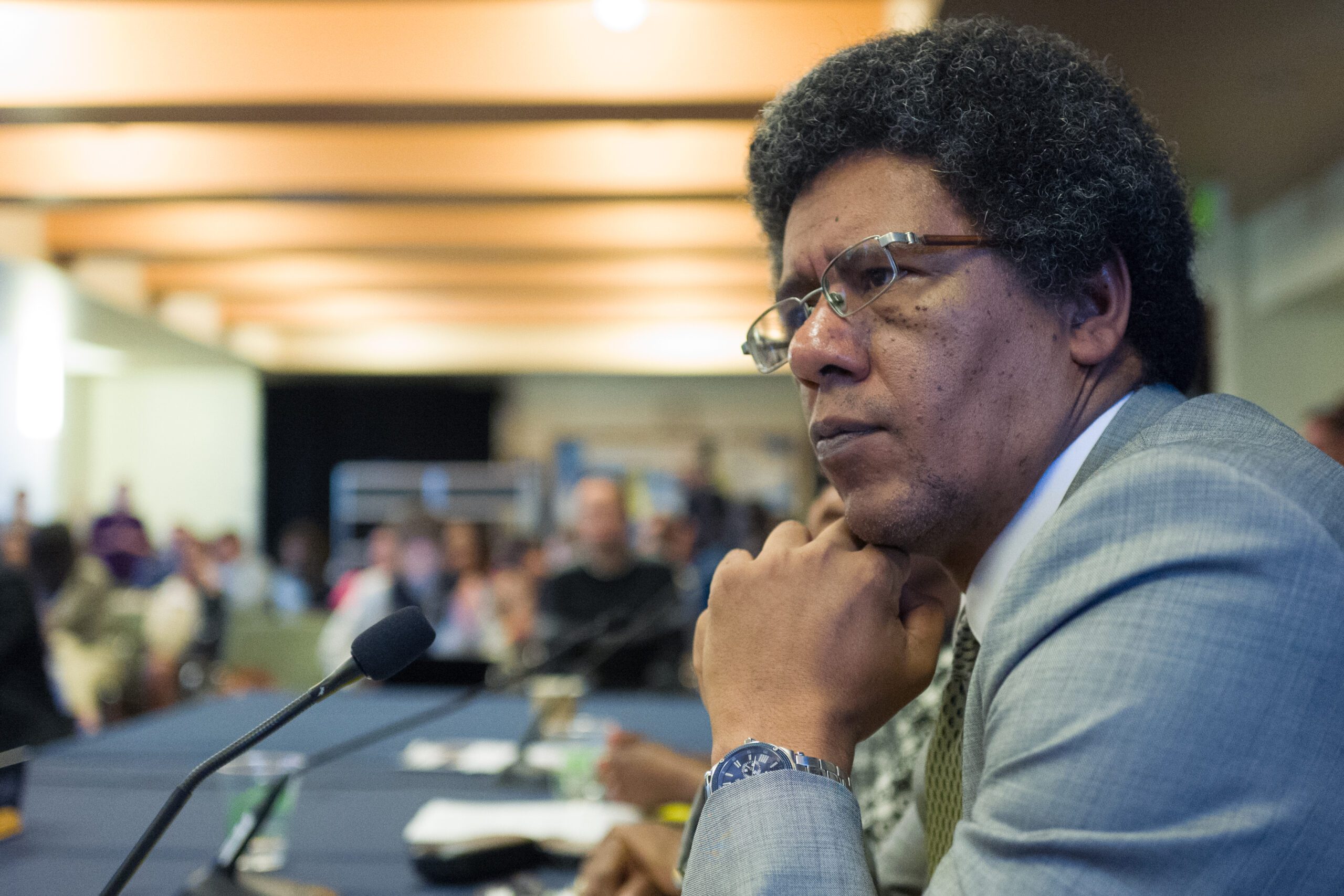
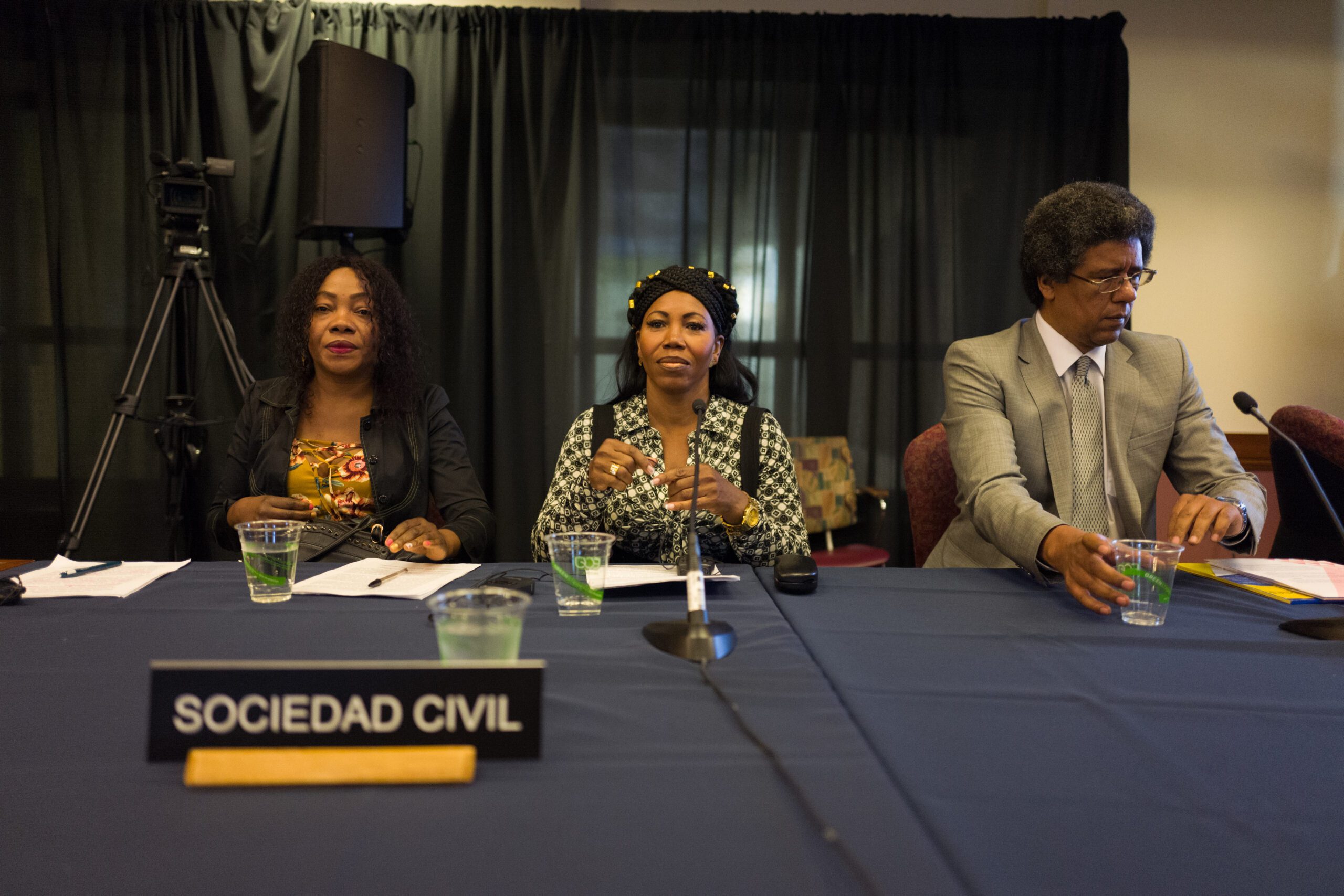
Beatriz Amaro, a leader and human rights defender in the organization Unity for Progress, in the city of Oaxaca, AC spoke with Race & Equality during the pre-sessions for Mexico of the Universal Periodic Review (UPR) held on October 12, 2018 in Geneva, Switzerland regarding the need to implement affirmative actions, effective public policies, and action plans in agreement with the Afro-Mexican people, with an eye to reducing the historic impact of racism and discrimination that translates into the Afro-descendant population in Mexico having fewer possibilities for employment, education, [and] participation.  In addition, [she spoke] about the importance of the Review, in which the state of rights in Mexico will be reviewed on November 7, 2018, taking into account some of the recommendations offered by Afro-descendant civil society.
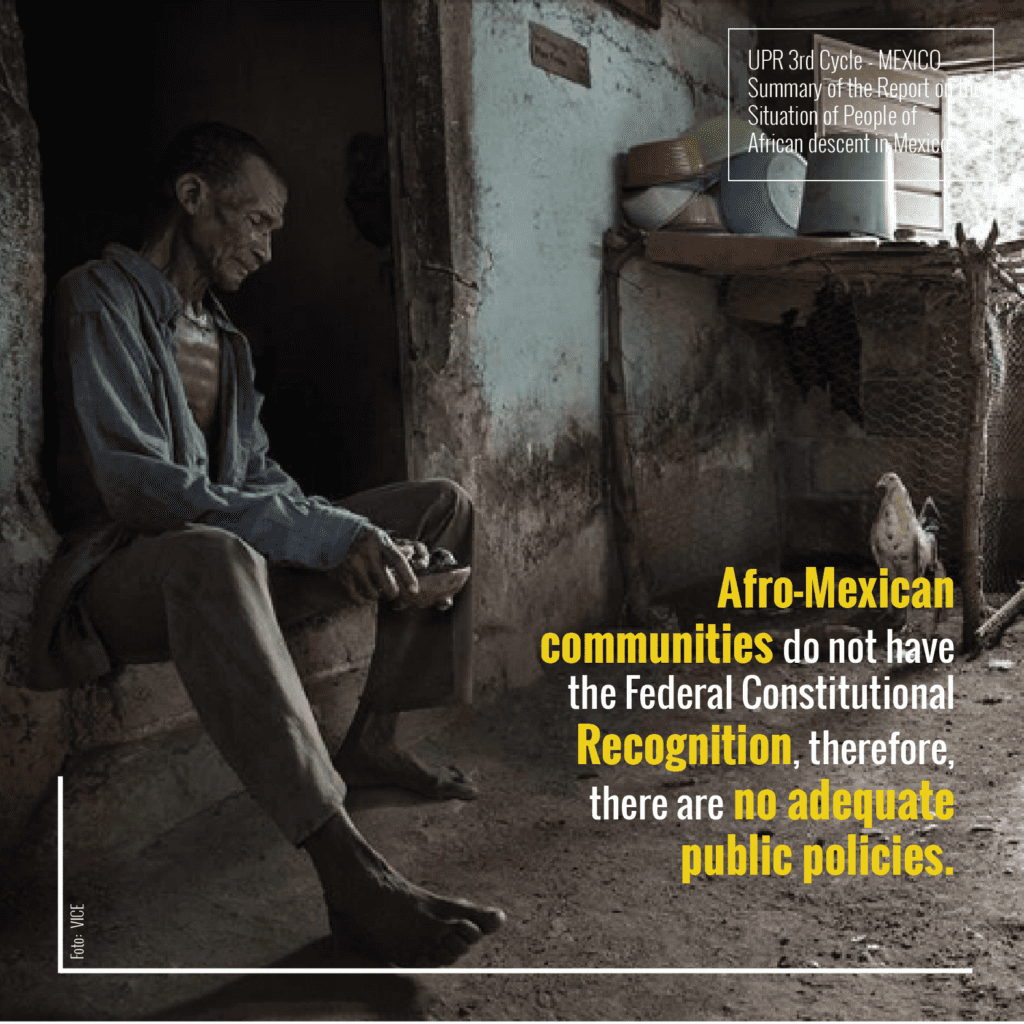
In the midst of the ongoing humanitarian crisis in Mexico, what is the greatest need and demand being made by Afro-Mexican civil society organizations to the Mexican State that you wish to highlight in the pre-sessions of Mexico’s Universal Periodic Review?

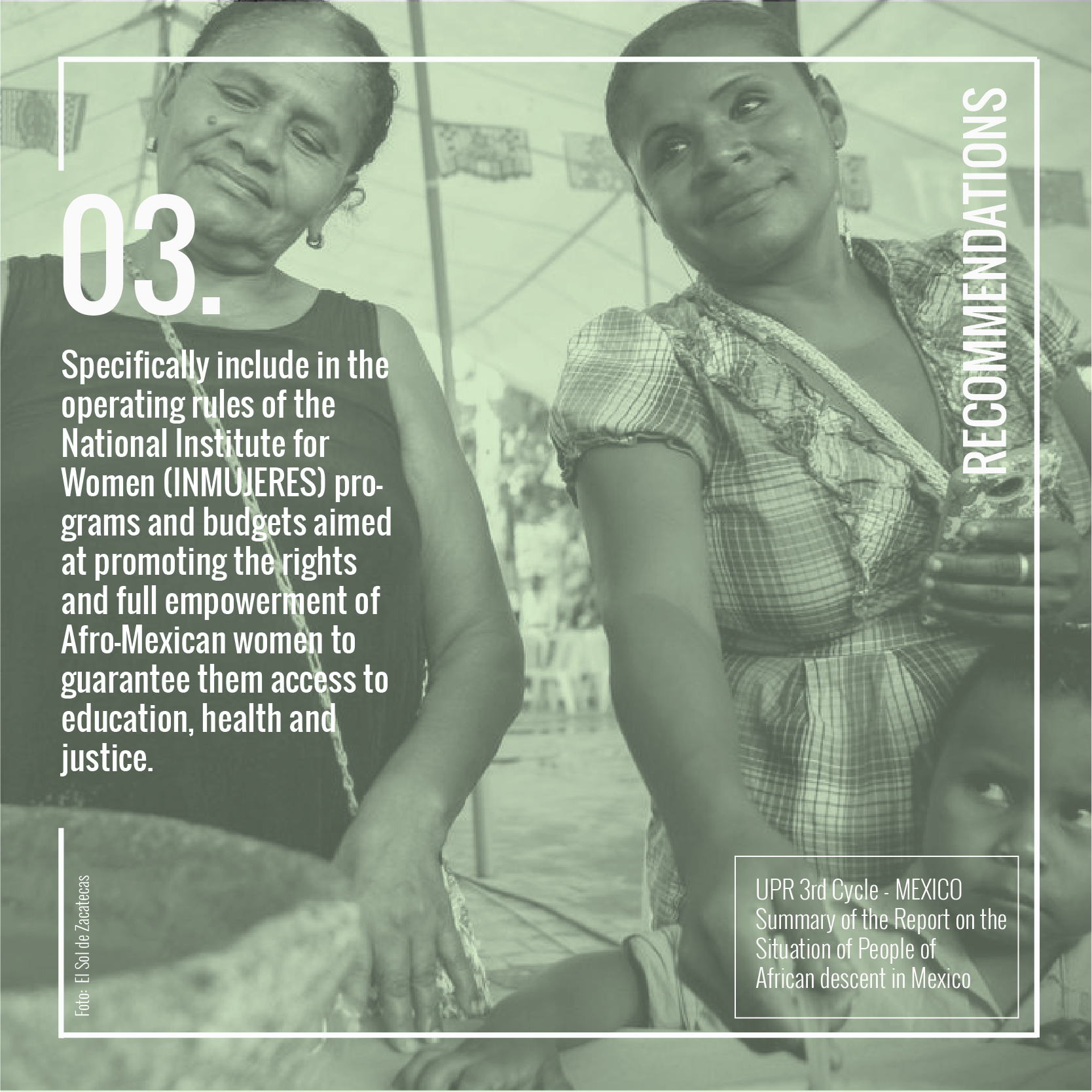
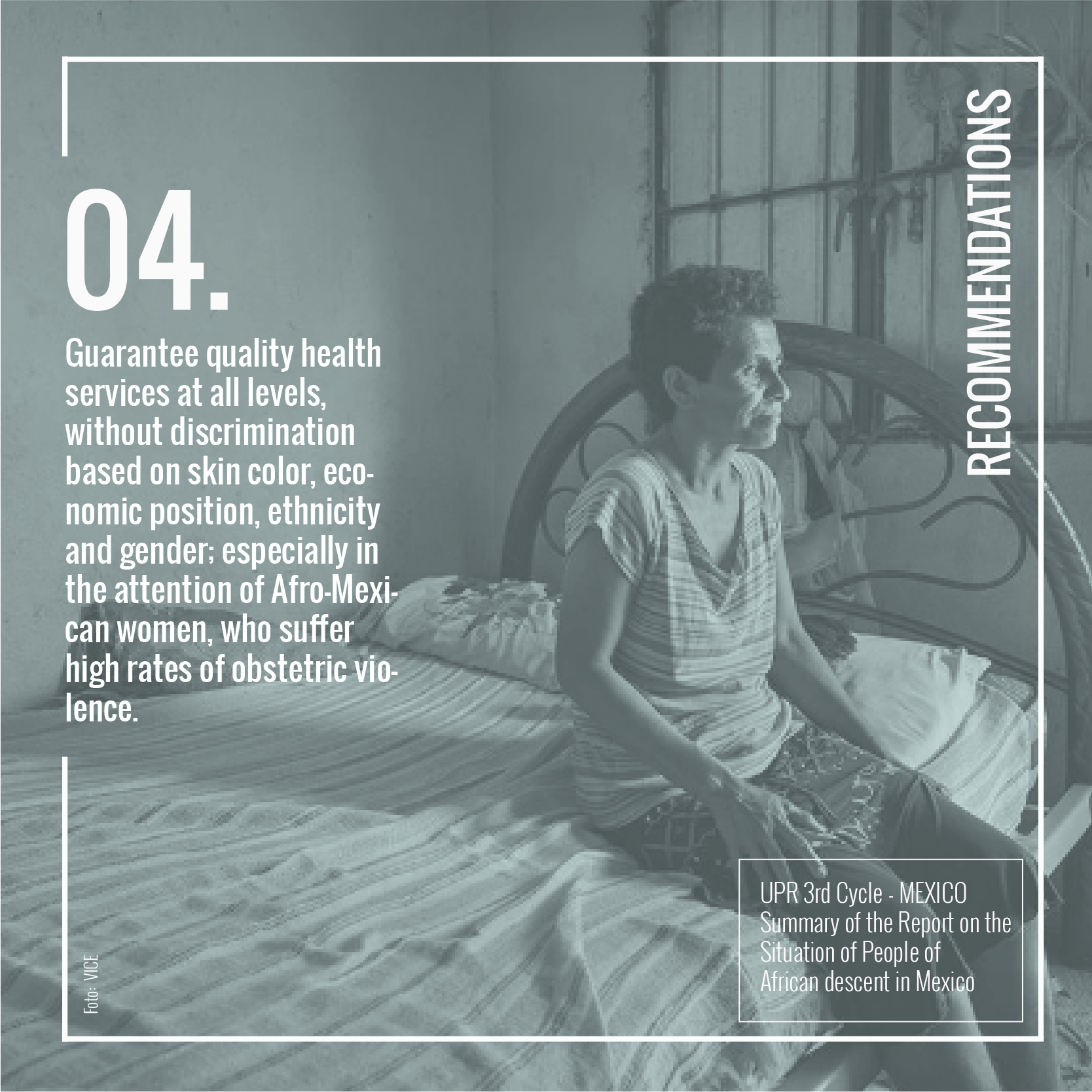
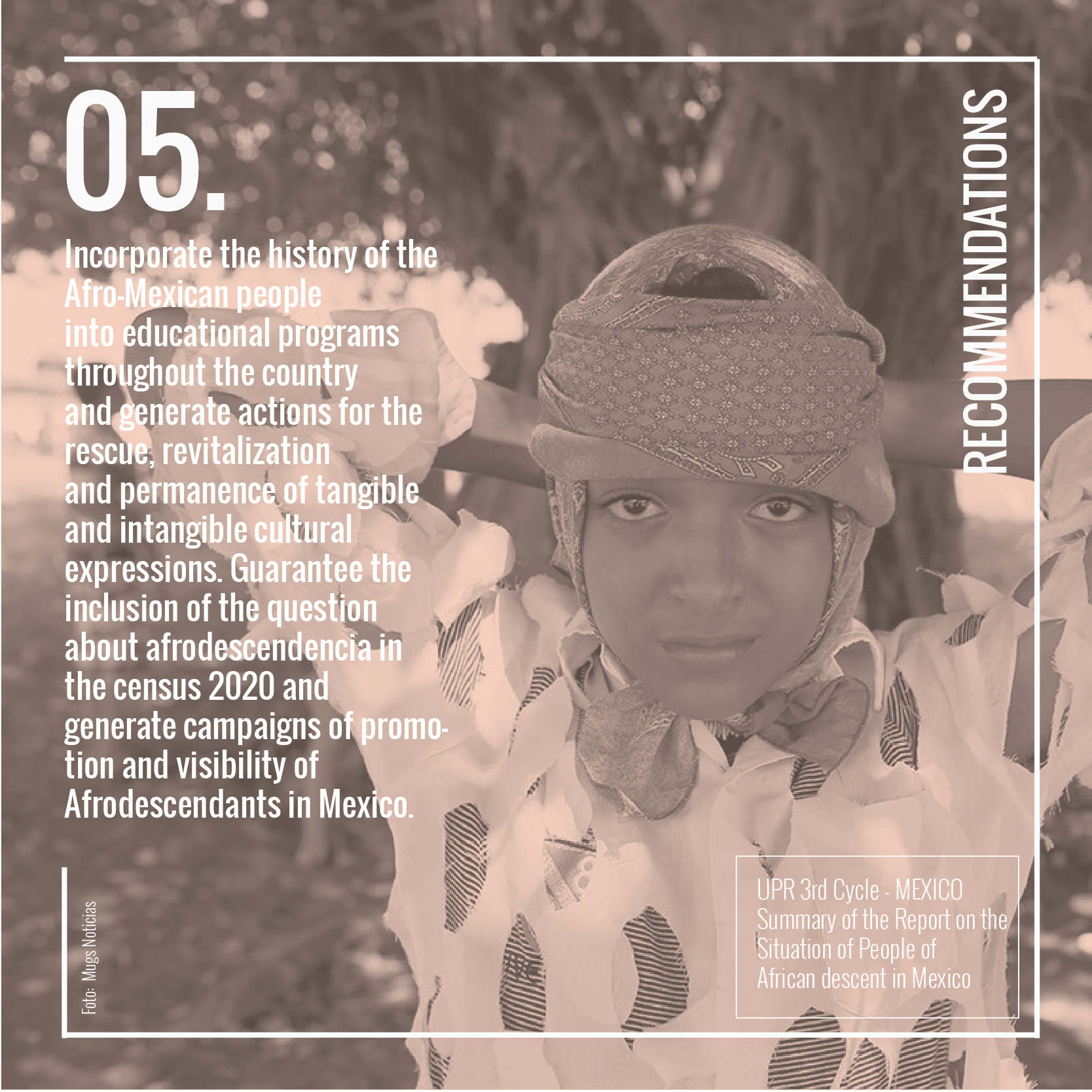
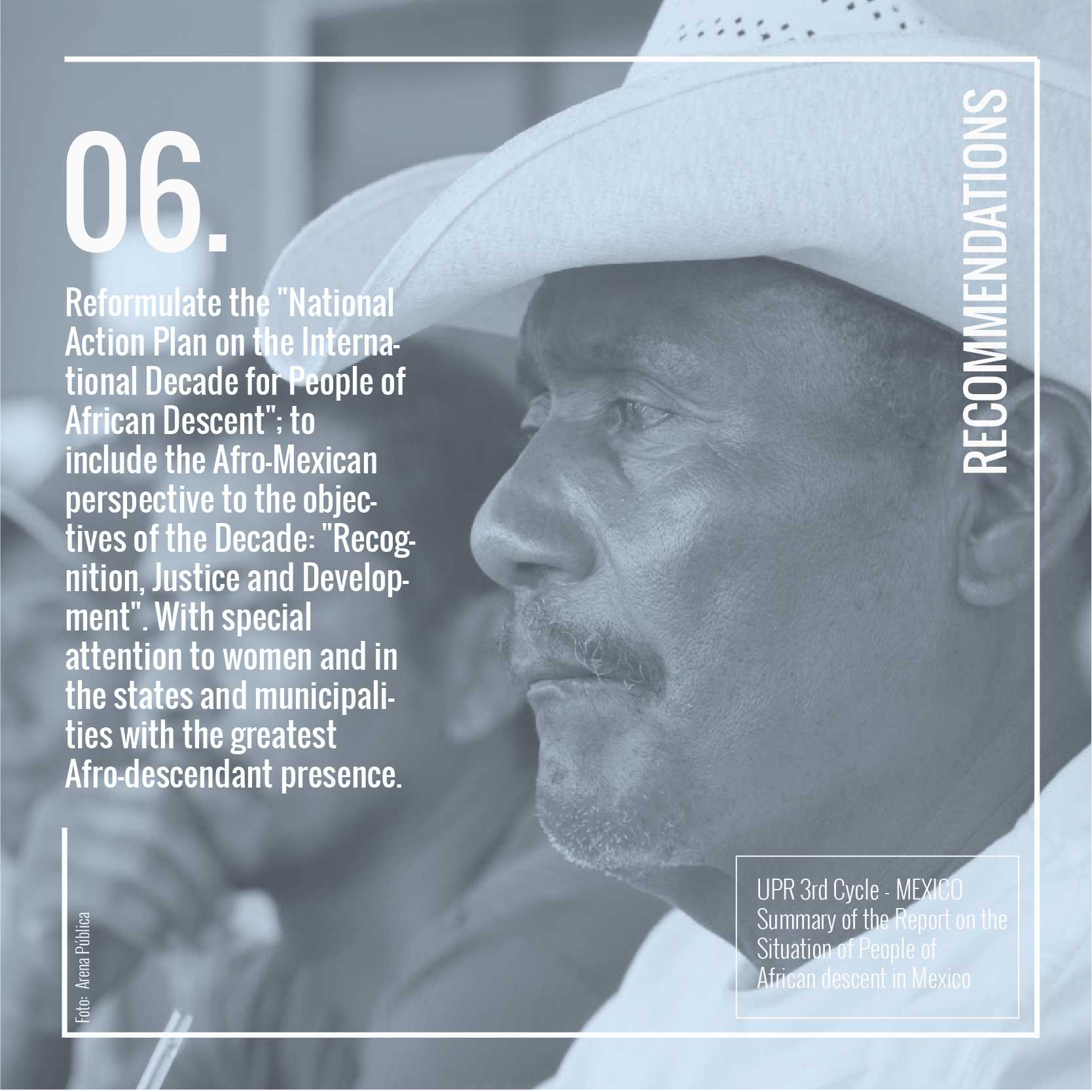
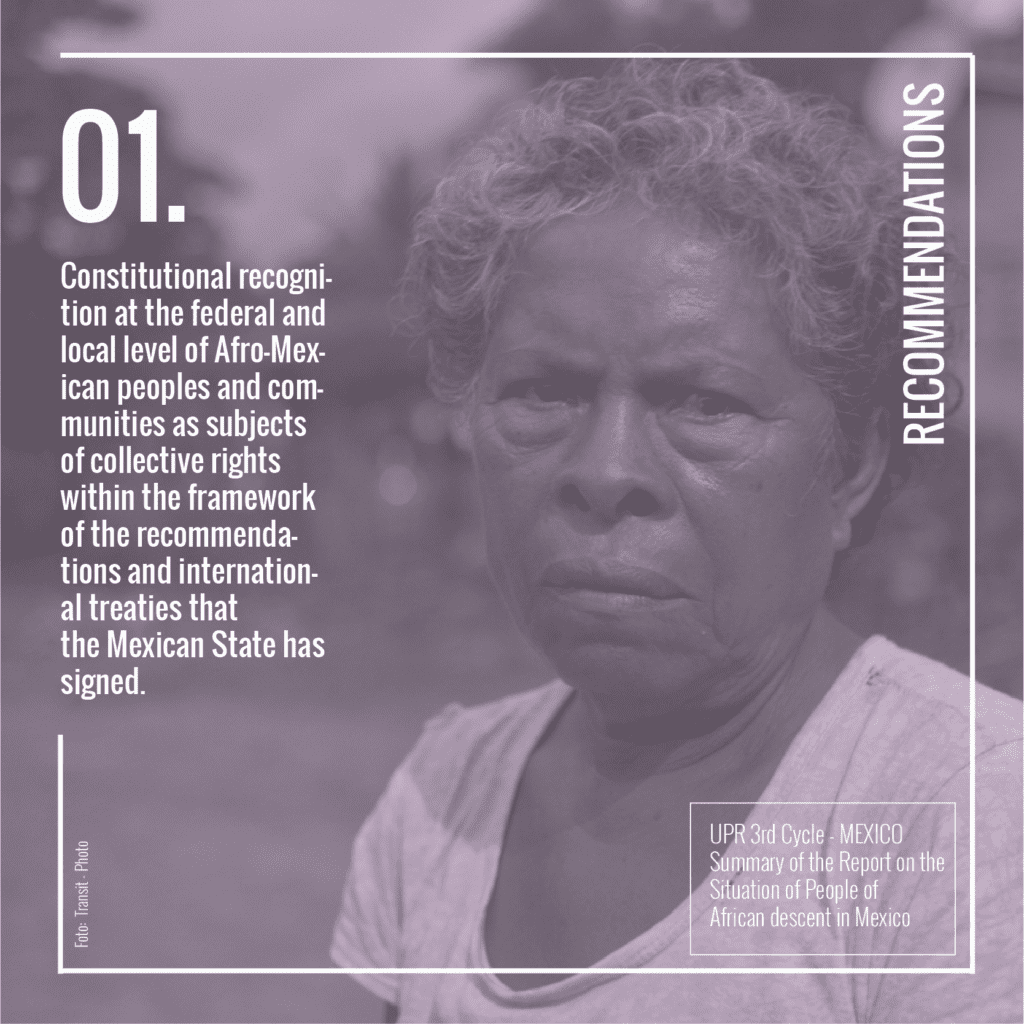
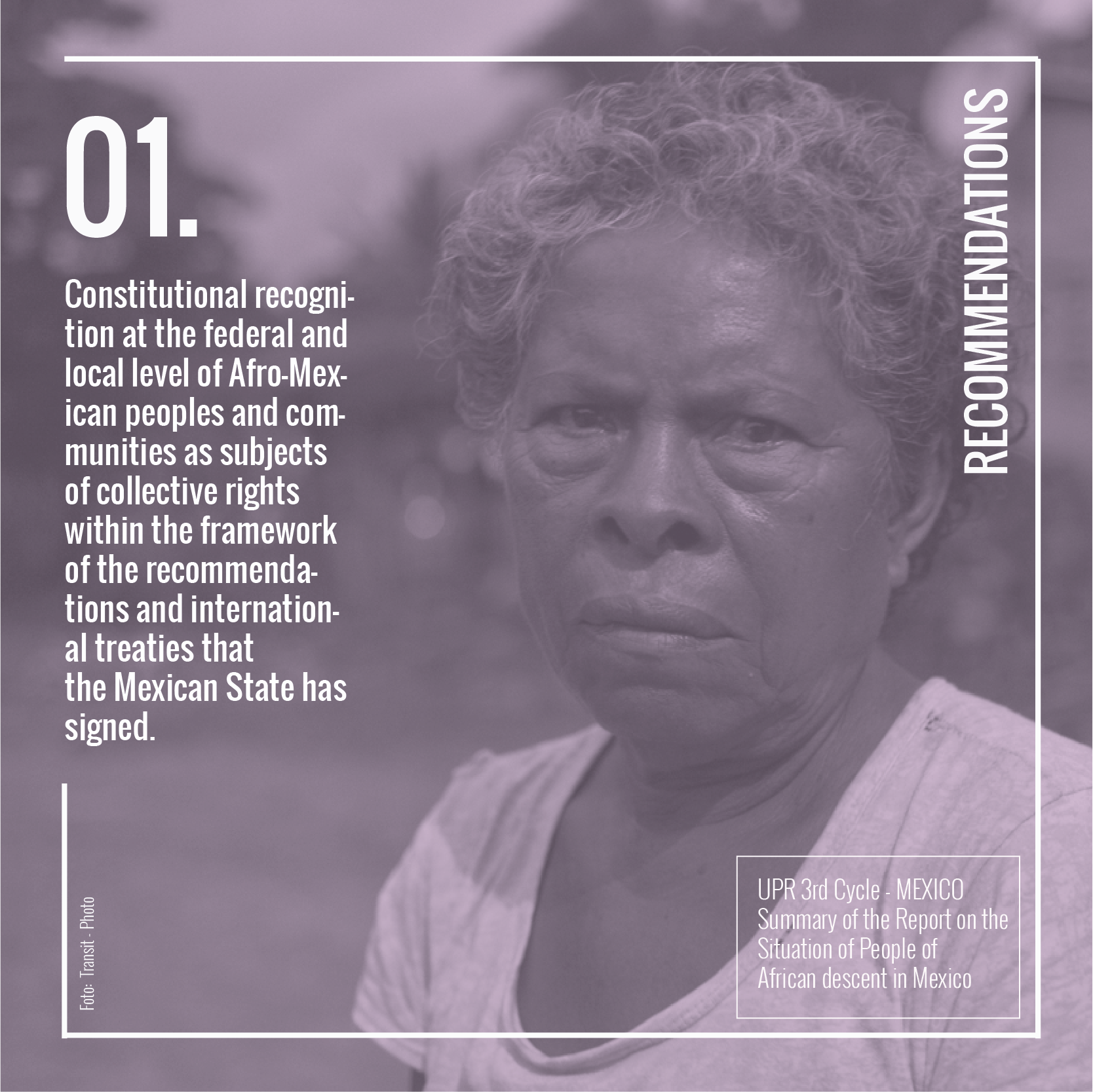
Without a doubt, the most pressing need and demand of the Afro-Mexican people today is to be constitutionally recognized.  Without constitutional recognition, Mexico’s Afro-descendants will not have a way to demand respect for our rights in accordance with our historic, social, and cultural reality.  While the inclusion of the ethnic-racial variable in the intercensal survey administered in 2015 represents significant progress in at least recognizing the total number of the population, it is necessary to continue working to develop official policies, plans, and projects at the national level that serve to counteract the impact of poverty, lack of opportunities, and structural racism that we experience in our country.  Likewise, the report submitted to the various missions during the pre-sessions mentions the need to create specific plans for attending to women, guaranteeing effective health services, incorporating educational programs that include the Afro-Mexican people’s historic legacy, and creating spaces for dialogue and participation to reformulate the Plan of Action of the Decade of Afro-descendants.
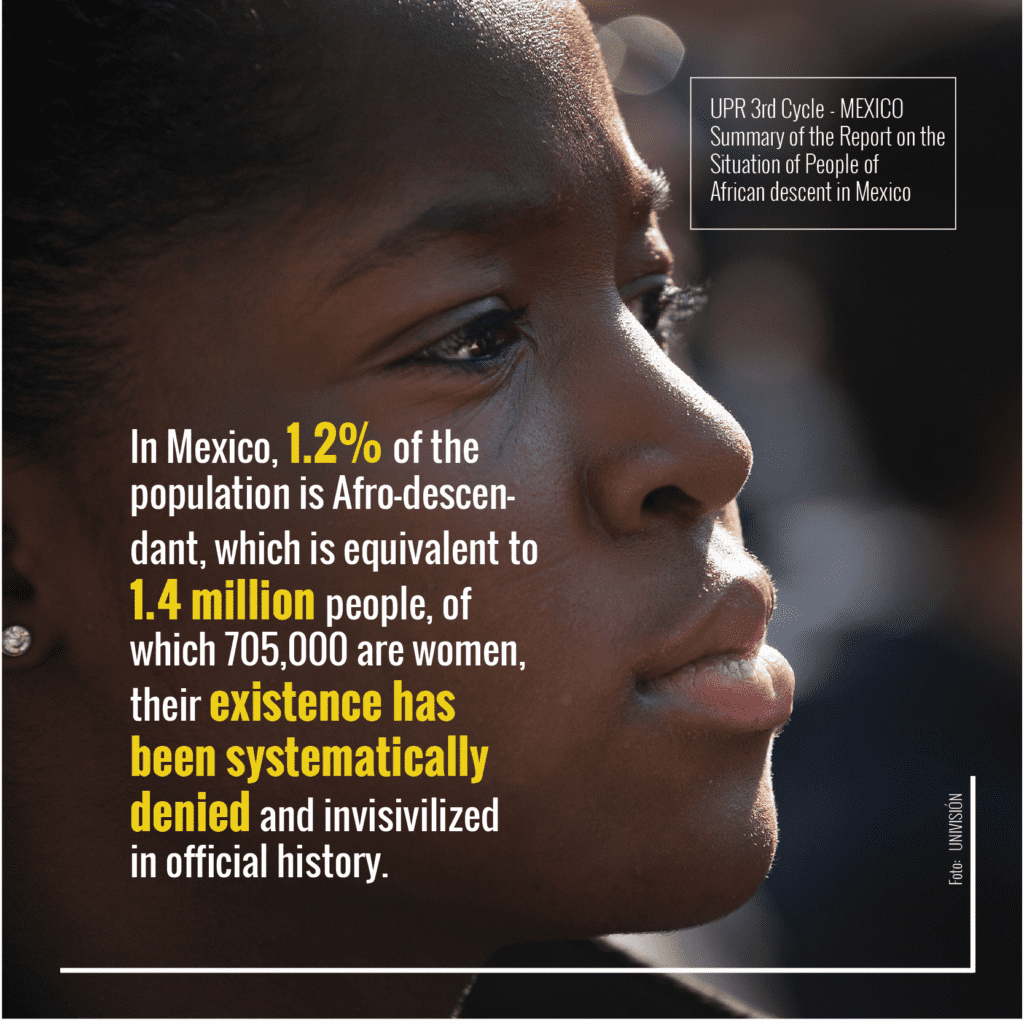
During the most recent public hearing of the Inter-American Commission on Human Rights (IACHR) related to the state of Afro-descendants’ rights, the State mentioned a large number of programs designed to benefit the Afro-Mexican people.  How are these programs and/or affirmative actions being implemented?

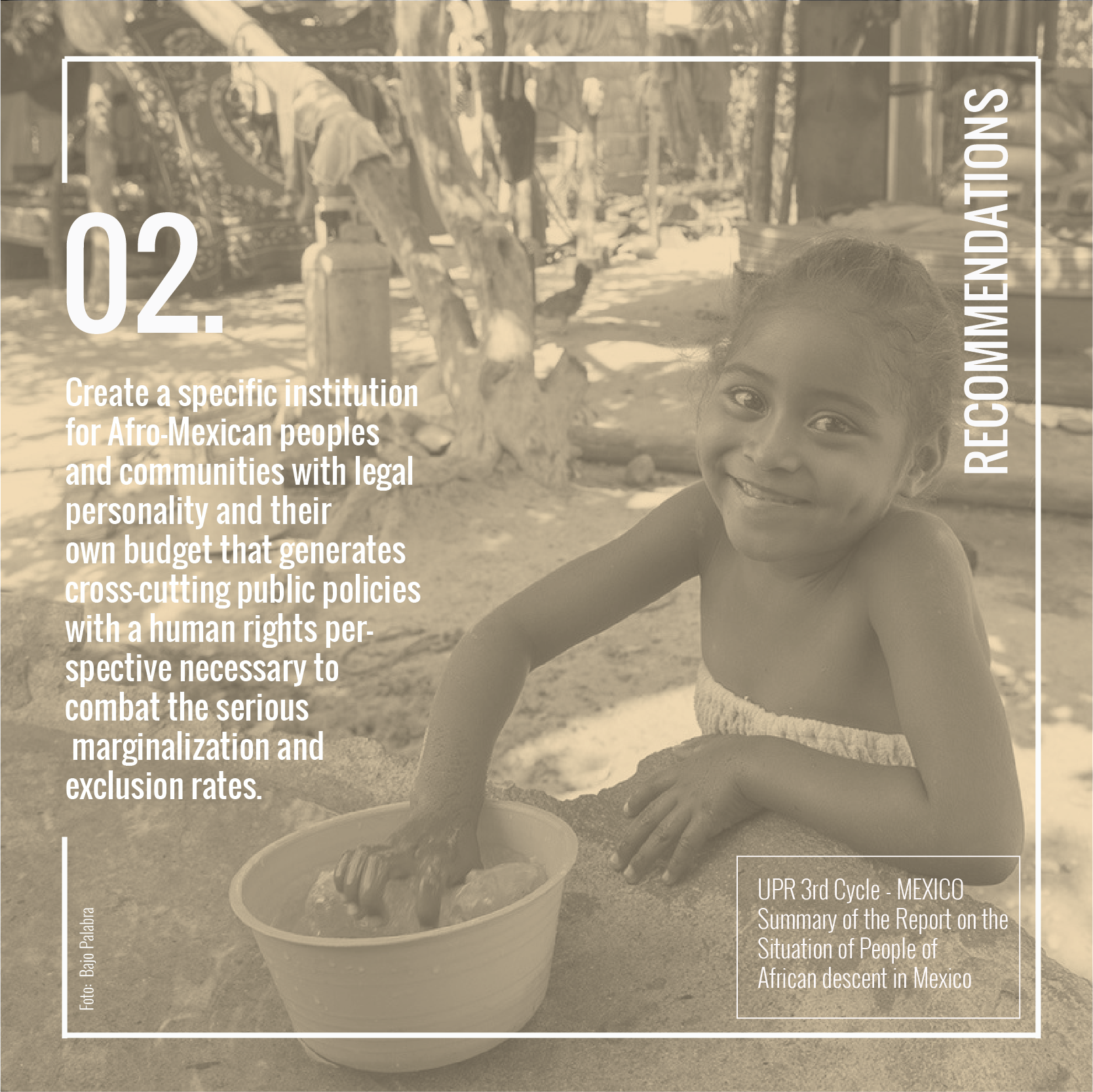
It is true that the Mexican State has conceived, designed, and likely implemented programs, affirmative actions, or plans for the Afro-Mexican people; however, these plans have never been designed with any of us, nor worked on with us. Allow me to clarify; these action proposals do not include the vision of the Afro-Mexican peoples, nor are they publicized sufficiently strongly to enable the communities to know about the projects that have been designed for their benefit.  Thus, it would seem or could be interpreted as formally fulfilling a commitment, though without any real implementation of these programs, because they are not being reflected in the communities, we don’t know about them, nor are we actively participating in their design, let alone their implementation.  One thing is clear, however: who can better know the reality of the Afro-descendant people of Mexico than we the Afro-Mexicans?  We don’t understand, then, how they can design these projects in the very capital of the Republic, a space to which we don’t have access, and much less how they implement them.  In this sense, it is important that these programs be publicized in the zones where there are greater numbers of Afro-Mexicans, above all in the states of Guerrero, Oaxaca, and Veracruz, given that in addition, we are the ones who face the greatest challenges to development.
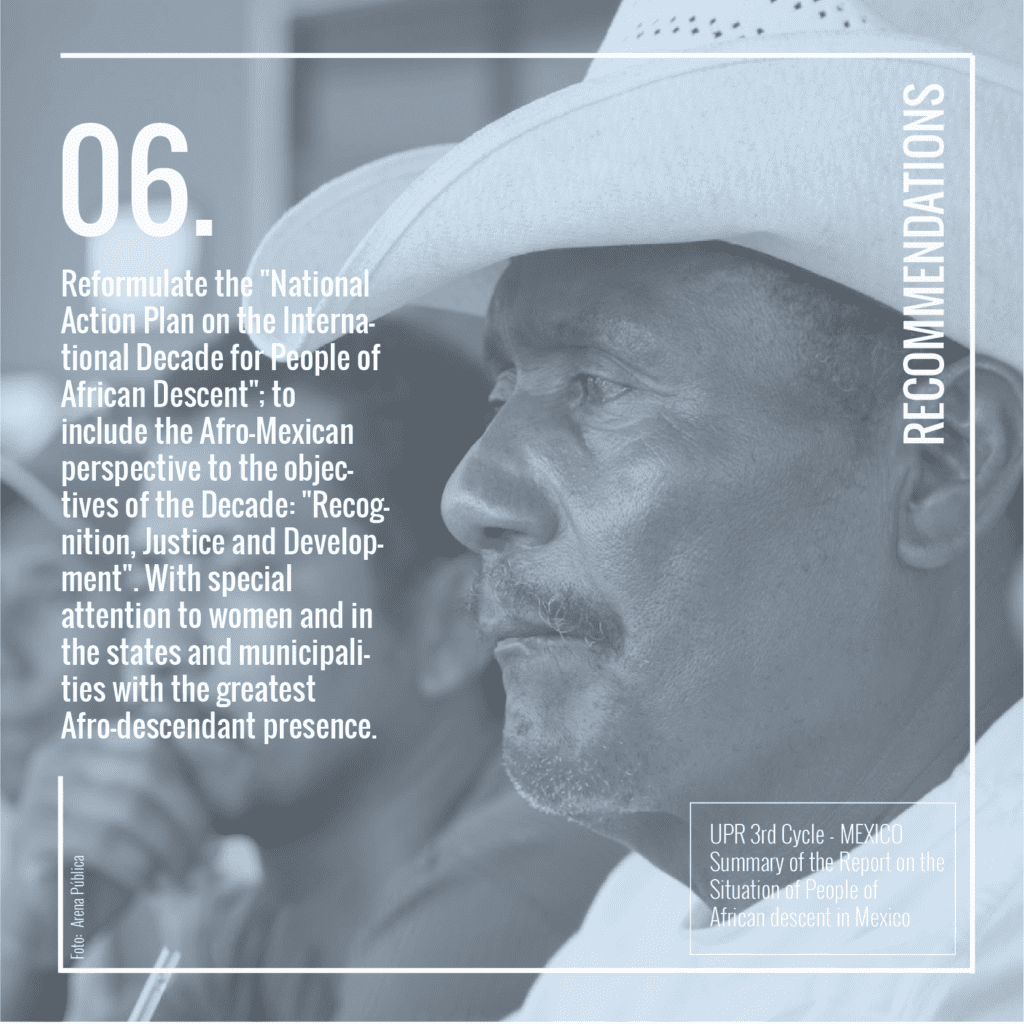
One of the recommendations proposed by civil society organizations during the pre-sessions to the Universal Periodic Review is a request that the Decade Plan of Action be reformulated.  Why?

I know perfectly well that having a Decade Plan of Action represents great progress, because many countries don’t even have one; but again, the situation is that the development of this Plan of Action that benefits the Afro-Mexican people was not consulted, worked on, or designed jointly with Afro-Mexican civil society.  We didn’t participate.  As such, there are clearly many aspects that don’t touch upon or reflect the situation or needs of the Afro-Mexican population.  I don’t mean to imply by this that the plan is bad or inappropriate; indeed, there are many positive things [about it]; however, I think it is necessary to work in a participatory, dialogical way that is agreed to by the Afro-descendant communities so that it goes beyond simply being a plan and actually becomes a materialization of activities that leads to real and effective implementation.

With regard to what was said earlier, is there an alternative proposal designed by the Afro-Mexican civil society organizations in relation to the Decade Plan of Action?

I would love to say yes, that a joint proposal exists that has been developed, discussed, and agreed to by the entire Afro-Mexican social movement to propose a joint work agenda, but unfortunately, we don’t have one at this time.  Organizing, discussing, and agreeing to an agenda requires not only absolute political will, which I believe each and every one of the social organizations that comprise this movement has, but also budgetary support to enable us to make progress to that end.  In order to build an inclusive, plural, and diverse agenda that is made up of all of the voices in the movement, we need to do work that requires financial support.  Nonetheless, we have made significant progress.  In the case of the women, we have performed several agenda exercises that we believe are essential to include in the Decade Plan, just as our recommendations were included in the alternative report submitted by the civil society organizations to the Universal Periodic Review Committee.  We hope our voices can be included.

What has been the impact of today’s humanitarian crisis in Mexico on the Afro-Mexican population?

We don’t have official numbers or studies of what the impact of the wave of violence underway in Mexico has been on the Afro-descendant people, nor do we have real disaggregated data that enables us to statistically know the real state of the Afro-Mexican people.  Certainly, as I noted earlier, a 2015 intercensal exercise was performed that provided an initial introduction of the Afro-descendant populace, though did not cover all of the localities; as such, the data, apart from being very general, are not accurate.  However, we can say that the state of human rights of our entire population has worsened, precisely because in addition to the dynamics of vulnerability our communities had already been confronting – such as poverty, inequality, [and] lack of access to health, education, and employment – new forms of victimization take place as a result of the impact of the dynamics of drug trafficking, circumstances that clearly put our people in a state of high risk and defenselessness.
What do you see as the principal challenges of the Afro-Mexican social movement in the current context?

As I was saying, one of the principal objectives is to continue fighting for constitutional recognition of the Afro-Mexican people.  However, in order to do that, we believe it is very important to unify the movement’s political will in order to present a proposal for jointly working with the Mexican State and other scenarios for political advocacy.

I think another principal challenge is to be able to play an important role in more decision-making spaces in order to ensure that the proposals and projects developed therein benefit us [and] are designed in accordance with our realities, from the perspective of our Afro-Mexican men, women, youth, boys, girls, and adolescents.  If we continue to allow these spaces to be occupied by academics, who with the very best of intentions attempt to describe and heighten the visibility of our situation, we will not be able to occupy these spaces ourselves to empower ourselves for our reality.  We ourselves, empowered by our history, reality, and purpose, need to be prepared to make presentations before national and international bodies on our reality, denunciations, and demands.

If today we must speak out and raise our voices, we ask that we be allowed to raise them from the perspective of our organizations rather than from academia.  Certainly, what we need is for them to train rather than represent us in order to incentivize the participation, commitment, and training of Afro-Mexican women and men with an eye to having the tools we lack for [removing] the educational gap that we oftentimes confront.  What we want is for them to provide us support in the form of tools, to be heard [in spaces] where we should be heard.

What are your expectations for the Universal Periodic Review, in which the state of human rights in Mexico will be evaluated?

I feel that due to the grave human rights violations that exist in Mexico today, the matter of the state of Afro-descendant rights will not be a priority.  However, I feel that spaces such as the pre-sessions provide us with opportunities to undertake very important advocacy whereby we appropriate our own realities, precisely because they motivate us to develop exercises for systematizing the work we are carrying out in order to be able to present it to different mechanisms in which we will certainly be able to make the voice heard of a people that needs international support, solidarity, and attention, so that we can continue to apply pressure to have our rights respected, protected, and recognized.

We hope that the Universal Periodic Review will be able to address at least two of the recommendations made in order to receive the international backing we so need and be able to monitor the Mexican State’s compliance with said recommendations.
With the Support of Race & Equality, Civil Society Organizations Prepare to Submit Reports on the State of Colombian Women’s Human Rights to CEDAW

In September 2018, the International Institute on Race, Equality, and Human Rights (Race & Equality), within the framework of the project on racial justice funded by the Ford Foundation, held a training workshop to increase knowledge regarding the United Nations System, especially with regard to its treaty bodies.  The participating organizations included Asociación Nacional de Afrocolombianos Desplazados [National Association of Displaced Afro-Colombians] (AFRODES); Conferencia Nacional de Organizaciones Afrocolombianas [National Conference of Afro-Colombian Organizations] (CNOA); and Grupo de Apoyo a Mujeres Trans [Support Group for Trans Women] (GAAT).

The goal of the space was to strengthen the organizations’ technical knowledge regarding the United Nations System treaty bodies.  Emphasis was placed on the Committee on the Elimination of All Forms of Racial Discrimination against Women (CEDAW), given that the State of Colombia will be reviewed by the Committee in February 2019.  One of the results of the project is that with technical assistance from Race & Equality, the organizations will prepare Alternative Reports for submittal to the Committee.  The hope is that this advocacy action will lead CEDAW to include in its final review and observations the analyses and recommendations put forward by the organizations in their Alternative Reports.

CEDAW is the body of independent experts that supervises the application of the Convention on the Elimination of All Forms of Discrimination against Women.  The advocacy before CEDAW is greatly relevant to the organizations participating in this workshop, given the low priority given by the Colombian State to policies recognizing aggravated forms of discrimination and violence stemming from the intersection of gender, race, and/or sexual orientation and gender identity.  For AFRODES and CNOA, the attention given by CEDAW to the state of Afro-Colombian women victims of the conflict amounts to a strategic need, while it is a priority to GATT to make visible the state of trans women.

Race & Equality will continue to provide technical support to these organizations in the process of preparing their Alternative Reports for submittal to CEDAW, as well as strengthen their advocacy capacity as regards the use of the other international human rights protection mechanisms.

Find here the recommendations document:  http://bdigital.unal.edu.co/47500/1/Recomendacionesdelcomite.pdf

Race & Equality Rejects the Arbitrary Ban by Nicaraguan Authorities Denying Entry into the Country to Representatives of the Centro por la Justicia y el Derecho Internacional (CEJIL)

Washington, D.C. October 26 2018. The International Institute on Race, Equality, and Human Rights (Race & Equality) forcefully condemns the arbitrary ban on entry into Nicaragua imposed on the work team from the Centro por la Justicia y el Derecho Internacional [Center for Justice and International Law] (CEJIL), who in the morning of October 26 were to meet with President of the Inter-American Commission on Human Rights (IACHR) Margarette Macaulay and members of the Special Monitoring Mechanism for Nicaragua (MESENI) to discuss topics related to the humanitarian crisis that began in the country on April 18.  The crisis has merited the attention of said body of the inter-American human rights protection system, as well as that of CEJIL, an international organization that has worked in Nicaragua for many years.

The incidents took place around 7 a.m. when representatives of CEJIL Marcia Aguiluz Soto, Francisca Estuardo Vidal, and Paola Limón were notified by airport authorities that they could not enter the country, alleging that they had not given the required amount of advance notice of their arrival.  Then, upon questioning by the delegation, [the authorities] put forth reasons related to the exercise of sovereignty that represent a new outrage committed against human rights defenders.  The authorities were intransigent, even when CEJIL displayed the formal invitation it had received from the IACHR.  In images published on CEJIL’s official Twitter account, one can see the team being escorted to depart the country, accompanied by a message denouncing “This is how they ‘escort’ us to leave #Nicaragua, when we attempt to enter in order to attend a meeting with the @cidh [IACHR].  They refuse us entry, despite having a formal invitation.  They make use of gimmicks and return us in less than an hour.  #SosNicaragua.

We join our voice to other voices to emphatically reject and vehemently condemn this act as evidence of the grave humanitarian crisis underway in this Central American country, as well as the systematic hampering of the work of defending human rights.  We denounce the obvious intention of the Ortega-Murillo regime to isolate the international community from the repression, harassment, and criminalization which it continues to inflict on the people who continue to express themselves civically, especially directed against the activists, independent media outlets, [and] human rights defenders who are completely defenseless.  It was not for nothing that a few weeks ago it was made known that the working group from the Office of the United Nations High Commissioner for Human Rights (OHCHR) was kicked out of the country, and today one of the organizations that has historically worked for democracy and the guarantee of human rights was arbitrarily denied entry.  Nothing has improved in Nicaragua, as was affirmed today by OHCHR in its first monthly bulletin monitoring the situation.

All of these incidents lead us to elevate the international level of alert regarding the situation in Nicaragua [and] to ask the international community, human rights protection bodies, and the various expressions of civil society to redouble their efforts to ensure the prompt return of democracy, justice, and peace to Nicaragua.

The International Institute on Race, Equality and Human Rights together with Trans Siempre Amigas (TRANSSA), and the Observatory on Human Rights of Trans Persons request the immediate and effective investigation of the trans-femicide of Marisa Félix Sánchez

The International Institute on Race, Equality and Human Rights (Race and Equality), express its concern about the severe acts denounce by the civil society organizations Trans Siempre Amigas (TRANSSA) and the Observatory on Human Rights of Trans Persons ( in Spanish ODHPT) related to the trans-femicide of Maris Félix Sánchez who was known as “Haitianita”.  Marisa (registered as Richard Félix Sanchez), was a trans woman, afro-descendant, Haitian, sex workers of 30 years old.

According to complaints made by local organizations the acts took place on the early morning of October 15, 2018 in the municipality of Verón, Punta Cana where Marisa worked as sexual worker since 2015 at the Barceló Avenue of Verón. The public information available suggest that the body of Marisa was found on the same area. Sex workers, coworkers of the victim, assured that they saw Marisa leave with a client wearing a red t-shirt in a motorcycle, they also saw the same person arriving with her dead body. On images that are circulating through social media, it is possible to see Marisa’s bloody body, with a deep wound on the cranial area, with evident signs of violence. 

Similarly, according to public information available, the local police went to the area and found a condom, which allows arguing that the acts could have been preceded by sexual violence.

Race and Equality, together with TRANSSA and, the Observatory on Human Rights of Trans Persons consider that the killing of Marisa is related to a deep-rooted context of crimes motivated by prejudice; specifically, a trans-femicide motivated to the female gender identity of the victim. Likewise, we notice with concern that this act is part of a severe context of physical and sexual violence, and killings of trans women that have been denounced systematically by local organizations like TRANSSA and the Observatory on Human Rights of Trans Persons.

Race and Equality call the attention to the local authorities to initiate an effective investigation of the acts immediately, taking into consideration the context of physical and sexual violence, that maid leads to the conclusion that it was a trans-femicide. All of these, in spite of the legal limitations on the Dominican frameworks that do not include the crime of trans-femicide, nor the gender identity of trans women as a relevant element of analysis during the criminal procedure. 

Because the aforementioned legal limitations, and to avoid impunity, the International Institute on Race, Equality and Human Rights, call the attention to the local authorities to take into consideration the differential factors that are involved in the case, as the gender identity, race, vulnerability as sexual worker, and the nationality of the victim. We consider it is fundamental to analyze the best application of the articles related with homicide in the Dominican context. Similarly, we call the local authorities to have in mind that the facts could have been related to sexual violence either because of rape or sexual aggression, this is an independent aggression that must be thoroughly investigated.

The International Institute on Race, Equality and Human Rights on a joint statement with TRANSSA and, the Observatorio de Derechos Humanos de Personas Trans, extend a call to the Office of the Attorney General, the General Attorney Jean Alain Rodríguez, the Unit of Integral Attention of Gender Violence, Intrafamily and Sexual Crimes of Verón, Punta Cana, and to its public prosecutor, to investigate the acts, taking into consideration the multiple differential elements of the case. Likewise, we extend a call to the Inter-American Commission of Human Rights and its Rapporteurship of the rights of LGBTI persons, Women, and Afro-descendant persons; and the United Nations offices on the Dominican Republic and the United Nations Development Program (UNDP), to monitor the situation and follow-up the case closely. 

Finally, we request to have all the criminal procedures exhausted to avoid the impunity of the dead of Marisa, because it is necessary that the Dominican government send a clear message of zero tolerance to the violence against trans women as part of the National Plan against Gender Violence, which was launched on November 8, 2017.

We invite you to follow the hashtag of zero tolerance to theviolence against trans women: #NIUNAMENOSRD

Cuban Officials Disrupt Launch of the Campaign “Jailed for What?” in the ECOSOC Chamber of the United Nations

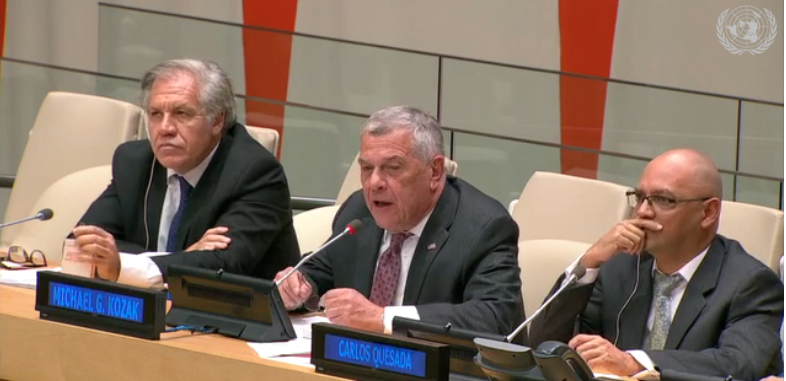
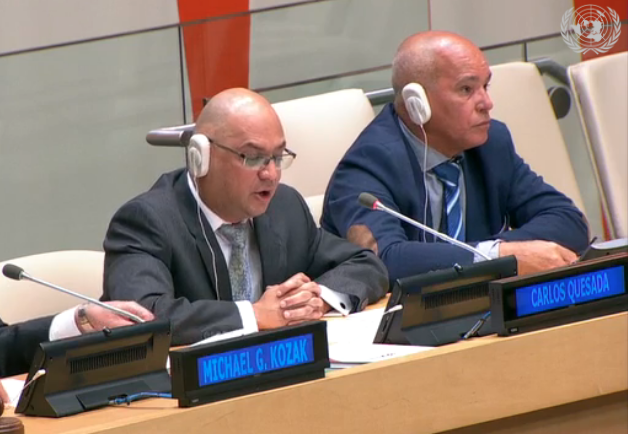
New York. October 16th 2018. Cuban officials disrupted the launch of the campaign “Jailed for What?” organized by the United States Mission to the United Nations and the Bureau of Democracy, Human Rights, and Labor at the United States Department of State. During the event, which took place at the United Nations building in New York, a large group supporting the Cuban regimen constantly interrupted the speakers by banging on tables, stomping their hands and feet, and yelling statements such as “Cuba Sí, bloqueo no” (Cuba Yes, embargo no) and “Fuera de la ONU” (Get out of UN). Although the noise prevents the speakers from being heard properly in the camera, the disrupt did not prevent your message from being heard.

The purpose of the event was to present the human rights situation of political prisoners in Cuba, as well as describe the systematic acts of repression used by the Cuban government to silence the voices of dissidents. Ambassador Kelley E. Currie, U.S. Representative in the Economic and Social Council of the United Nations, gave opening remarks over the shouts of the Cuban officials noting that “Cuba’s political prisoners are a clear and unambiguous sign of the repressive nature of the regime. Their imprisonment represents a blatant affront to the fundamental freedoms enshrined in the Universal Declaration of Human Rights.” The Secretary General of the Organization of American States, Luis Almagro, in spite of the disturbances caused by the Cuban officials, denounced the government’s use of prison sentences for political and unjustified reasons against those who speak out against its policies and politics.

Additionally, he described how Cuba has exported its repressive tactics throughout Latin American, referring to the cases of Nicaragua and Venezuela. These countries have progressively dismantled democracy within their borders, with Cuban support. Secretary General Almagro also described how activists are incarcerated as a means to keep them quiet and prevent the world from knowing about the difficult circumstances that political prisoners face, pointing out that Latin America is saying the price for not timely addressing these situations that put human rights at risk.

Ambassador Michael Kozak from the Bureau of Democracy, Human Rights, and Labor sarcastically thanked the demonstrators for giving an unequivocal showing of Cuba’s respect for freedom of expression and invited the audience to reflect on the worrying situation faced by oppressed Cubans: “You can imagine what it’s like in Cuba – if this is the way the government of Cuba behaves in the chambers of the United Nations, with security present…you can imagine what it would be like to be an individual Cuban citizen trying to speak their mind.”

Against the wishes of the demonstrators, the event was able to continue with the remarks of Carlos Quesada of the International Institute on Race, Equality and Human Rights (Race and Equality), who described how the Cuban governments uses various aspects of its domestic law to criminalize human rights defenders, journalists, and another who expresses opinions against the government. He also expressed that Cuba should respect the right to freedom of opinion and expression and free the 139 political prisoners that are currently suffering in poor conditions and are subject to long hours of forced labor as well punishments that violate fundamental human rights.

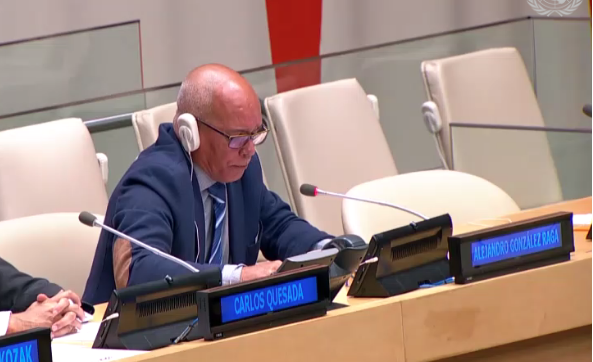
Alejandro Gonzalez Raga, a former Cuban political prisoner, described his experience during his time in prison and called for solidarity with current political prisoners. He also indicated the need to urge the Cuban government to allow international human rights organizations to enter the country to monitor the difficult situation. Finally, Miriam Cardet Concepcion, sister of political prisoner Dr. Eduardo Cardet Concepcion, presented remarks via a video. She was unable to speak at the event in person because the Cuban government would not let her leave the island.

Race and Equality firmly rejects the acts of intolerance demonstrated today in the ECOSOC Chamber of the United Nations and strongly condemns the constant violations of the rights to freedom of expression, press, movement, and assembly that Cubans are constantly submitted to, especially activists, journalists, and human rights defenders. Additionally, we demand that the Cuban state free the 139 political prisoners that are victims of multiple offenses against their personal integrity. We insist on the need for Cuba to reform its Penal Code and Criminal Procedure Law to eliminate the criminalization of expression and ensure that the right to due process of all Cubans is respected.

We urge the international community to increase efforts to defend and recognize the rights of all Cubans. We reaffirm our commitment to the defense of the rights of every citizen in Cuba and our will to continue fighting for the freedom of all political prisoners.

Watch the event online here: http://webtv.un.org/meetings-events/watch/jailed-for-what-plight-of-cubas-political-prisoners-meeting-called-by-the-united-states/5849574028001

Nicaraguan journalists and human rights defenders denounce the Nicaraguan government’s use of violence and repression in response to public protests in a hearing before the Inter-American Commission on Human Rights

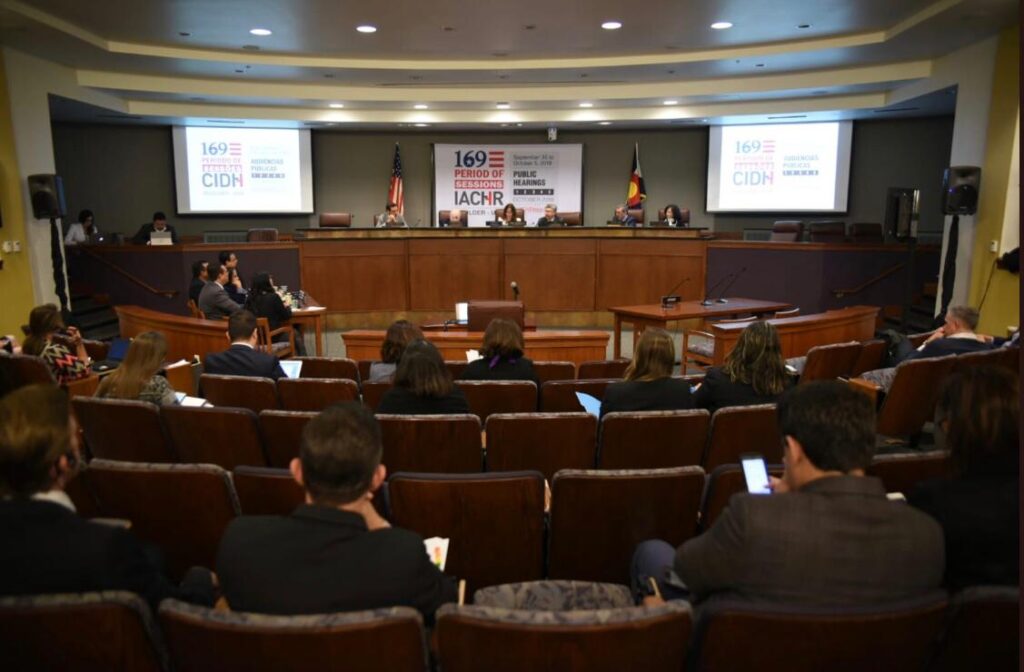
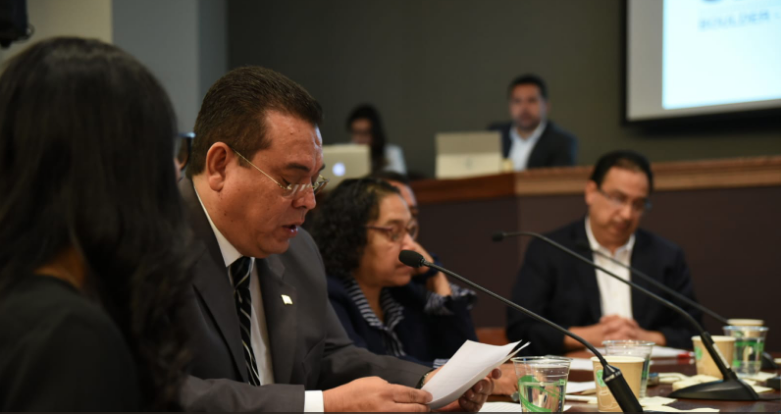
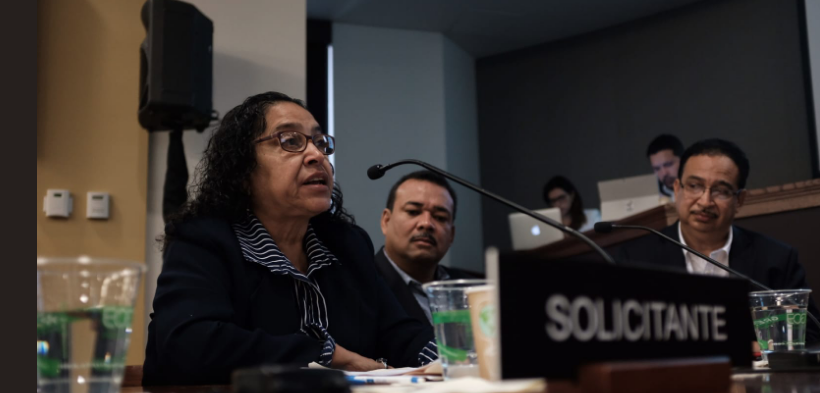
Boulder, Colorado. October 2, 2018. Journalists and human rights defenders participated in the 169th Period of Sessions of the Inter-American Commission on Human Rights (IACHR) on October 2, 2018, where they denounced the violence and repression carried out by the government of President Daniel Ortega and Vice-President Rosario Murillo in response to the social protests in Nicaragua.

Nicaragua is experiencing a grave human rights crisis that has plagued the country since April 18. Since then, the government of Daniel Ortega has used violence and repression against those who have chosen to exercise their right to peaceful protest. The situation has continued to deteriorate and public protests are now formally criminalized under a police decree issued on September 28. The decree blames public citizens for aggression and harm suffered by the police and others. The decree also prohibits public demonstrations, threatening to prosecute and convict organizers and participants. The decree adds to the climate of terror and will increase the number of political prisoners.

During the public hearing, human rights defenders and journalists described the evolution of the crisis in Nicaragua, which, according to official reports by the IACHR, has gone through distinct stages of repression and varying levels of intensity of violence towards protestors, human rights defenders, the media, and citizens in general. Additionally, grave violations of the right to freedom of expression and freedom of the press were exposed in the report. The press has been subjected to attacks, aggression, and intimidation as well as theft, persecution and censorship.

According to the report presented by Marco Carmona, member of Nicaragua’s Permanent Commission of Human Rights (CPDH, for its initials in Spanish), paramilitary and para-police groups continue to run operations in coordination with the National Police, who are responsible for more than 320 killings in the country. Of these, 5 are children, 27 are young adults, and 13 are women. Mr. Carmona stated that more than 3,000 people have been wounded and 1,500 have been arbitrarily detained, 90% of whom have been subjected to acts of torture such as beatings, electric shocks, removal of nails, and sexual violence, among other acts. “Of the 603 individuals who are still detained, only 203 have been presented before a judge and accused of grave crimes such as terrorism, illegal possession of firearms, and organized crime. These individuals have had their right to due process violated,” stated the Nicaraguan representative.

Mr. Carmona also expressed that the repression against civil society organizations has not stopped. Many activists to leave the country because they receive death threats, including those who have been granted precautionary measures by the IACHR . This reflects the current state of defenselessness of the people of Nicaragua and is a result of the increase in violence committed by those called to “protect the public order.” These state forces are attacking people who carry only blue and white flags or balloons, the colors of the Nicaraguan flag.

Patricia Orozco, a journalist and representative of the independent Nicaraguan radio station Onda Local, stated in her presentation that exercising freedom of expression and freedom of the press, as is the legitimate right of journalists, is now considered a crime by the Ortega government if the messages expressed do not align with its dictatorial politics. She testified that “independent media has not been able to escape the terror policy of the government. Local radio stations are especially vulnerable because they are harassed by the police and paramilitaries for reporting on what is happening.”

In light of the information presented, Commissioner Joel Hernandez, Rapporteur on the Rights of Persons Deprived of Liberty, lamented the absence of the Nicaraguan State at the hearing and their lack of political will to hold a dialogue, as well as the ongoing conflict in the country. He also stated with great concern that the attacks against independent journalists and the media constitutes a fourth stage of the government’s repression.

Commissioner Hernandez also mentioned that the IACHR conducted a recent visit to the country, which the national government did not participate in. During the visit, testimonies from representatives of civil society organizations were collected. These testimonies revealed that political prisoners are facing difficult conditions in prisons and detention centers. Additionally, Commissioner Hernández also stated that the judiciary to better scrutinize charges of terrorism, especially given that the factor in the definition of this crime which relates to “disturbance of the constitutional order” is highly subjective and does not form part of international practices to suppress terrorism.

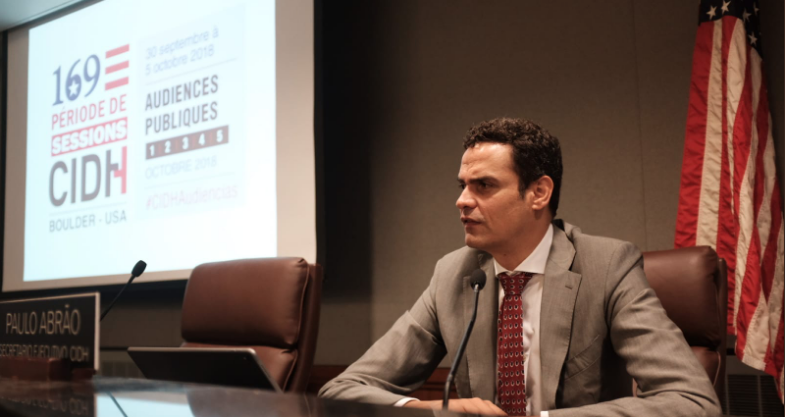
Executive Secretary of the IACHR Paulo Abrão expressed concern that the Nicaraguan state seems to be doing away with procedural rights and protections guaranteed under the rule of law and instead acting as if it is in a State of Exception, where certain rights are not respected. Secretary Abrão indicated that the way to prevent the State of Exception from becoming the norm is to respect judicial independence. Judges should denounce abuse of power by the police and rule against arbitrary detentions, which is currently not happening.

Sergio León, director of “La Costeñísima” testified that he is a victim of constant threats because of his work and that it is a great risk to be a journalist in Nicaragua, particularly in the areas of the Caribbean where journalist Ángel Gahona was murdered. Two young Afro-descendants were prosecuted and convicted for this crime under an inconsistent judicial process. Responding to this information, Edison Lanza, Special Rapporteur for Freedom of Expression, stated that “the persecution is intensifying. The State is trying to falsify reality and cover up its use of terror by touting a narrative that does not correspond to the national context.”

The Rapporteur for Nicaragua, Commissioner Antonia Urrejola issued an urgent call to the government of Nicaragua to not punish the activists for their participation in the hearing and stressed the need to make sure they are protected.

Representatives of civil society present at the hearing requested that the IACHR continue issuing public communications on the extreme vulnerablity of journalists and human rights defenders in the country. Furthermore, they requested that the IACHR call on the government to put an end to the repression against unarmed citizens and revoke the political decree that legally justifies the criminalization of social protests. They also requested that the IACHR pressure the government to end the harassment, intimidation, physical attacks, and censorship of journalists and members of the national and international press. The activists requested that the Nicaraguan State immediately release all political prisoners and take appropriate measures to protect journalists and human rights defenders from the risks they currently face. Finally, they asked the  IACHR to work with the government in developing a protocol for the effective implementation of these protection measures.

You can see the complete hearing (in Spanish) here: https://www.youtube.com/watch?v=XECN6lLBEUU&t=2063s

Cuban civil society activists denounce the practice of criminalization by the Cuban State during the 169th Period of Public Sessions of the Inter-American Commission on Human Rights

Boulder, Colorado, USA, October 2, 2018. Cuban journalists and human rights defenders participated in the public hearings of the Inter-American Commission on Human Rights (IACHR), held on October 1 during its 169th Period of Sessions. The hearings provided an opportunity for victims of violence, repression, criminalization and harassment, to describe to the IACHR Commissioners the repressive tactics utilized by the Cuban State to silence their voices.

According to information gathered by Cuban civil society, approximately 1,633 cases of arbitrary detention have been registered during the current calendar year, up until August, of which 1,129 cases reported excess use of force against women and 504 cases against men. The government continues to use repressive tactics such as beatings, public denigration, travel restrictions and intimidation.


During the hearing, the activists revealed that the Cuban authorities use the Criminal Code and Criminal Procedure Code to sanction the opposition without needing to provide sufficient justification, meaning that, in the majority of cases, detentions are carried out without judicial orders backed by a legal argument. Furthermore, many of the crimes described in the Criminal Code are loosely defined, which allows for open interpretation of its contents to be used to discourage freedom of expression and/or opinion which goes against that of the government.

Although Cuban activists have addressed allegations of excessive force, arbitrary detention and intimation of civil society to many international human rights protection mechanisms on previous occasions, the situation in Cuba continues to be precarious and has worsened. Such is the case of the Ladies in White – a group of women who are heavily criminalized and attacked for their participation in public protests which demand the liberation of an estimated 140 political prisoners, throughout Cuba’s prisons.

Commissioner Joel Hernández, Rapporteur on the Rights of Persons Deprived of Liberty, responded to the information by, first, applauding the courage of the activists, and then stated that the conditions that Cuban political prisoners find themselves in violate the basic human rights of any individual. Currently, five Ladies in White are detained in prison, and may others continue to be threatened to be jailed at any moment – according to Blanca Reyes, representative of the Ladies in White, and one of its founding members.


In addition, the director of independent media outlet Diario de Cuba Pablo Díaz denounced the Cuban government’s repression of the media, which, according to him, has increased in recent months due to the process of transition of power from Raúl Castro to Miguel Díaz-Canel and the recent constitutional reforms, as well as from an increase in international attention to the country stemming from this summer’s Summit of the Americas, and the UN’s Universal Periodic Review – the resulting increase in reports and denunciations by independent media sources destabilize the “national order” which the government seeks to maintain. In addition, the representative of the Cuban media outlet conveyed that new patterns of repression against journalists in the island seek to leave no “judicial footprint” as opposed to previous periods of time. This results in illegal judicial processes which silence the opposition, but that do not jeopardize Cuba’s international reputation. “It is a repression that often violates even the basic norms of the government, which are already abusive in their nature,” signaled Díaz. The video below shows journalists showing different examples of violations committed by the authorities against those who practice journalism not aligned with the views of the national government.


In her intervention, Commissioner Esmeralda Arosemena lamented the absence of the Cuban State at the hearing as it would have represented an important step in recognizing the rights of journalists and human rights defenders by the government. To this date and in other spaces of dialogue, the Cuban government and its representatives view those individuals who oppose the views of the national government as “mercenaries” of foreign entities that seek to break the socio-political dynamics of the State; as such their actions/declarations, according to the country’s Criminal Code, are against the law. Similarly, the Rapporteur for Cuba, Commissioner Antonia Urrejola, inquired about the possibility of new spaces of dialogue to form ahead of the State’s electoral and constitutional reforms, to which Mr. Díaz responded, “We can’t see the light at the end of the tunnel, because what is happening now is a transfer of power between fingers (of the same hand). As such, our views are no more than a suit fitted to justify their interests.” Finally, the Special Rapporteur for Freedom of Expression, Edison Lanza, expressed his admiration for the work carried out by independent media outlets and journalists in Cuba, despite the State’s blocking of independent media, and he expressed his interest in creating a detailed report on the situation freedom of expression on the island, despite the conditions of the government not allowing this to happen to this date.

Among the recommendations proposed by the group of Cuban civil society activists at the hearing, they recommended that the Inter-American Commission on Human Rights urge the Cuban State to guarantee the freedom of movement to those who try to leave the island, as well as requesting that the government allow its citizens free access to the internet and to remove the ban on independent media. Furthermore, the Rapporteurship on Rights of Persons Deprived of Liberty was asked to issue a public communication on the political prisoners in Cuba, and the Rapporteurship on the Rights of Women was asked to do the same with the situation of the Ladies in White. Finally, the petitioners urged the Commission to adopt the term “criminalization of journalistic work” to denominate acts of repressions by which the State impedes the work of distributing information, and that the Commission develop strategies of advocacy in collaboration with Cuban activists, that promote Cuba’s participation in the Inter-American System.

You can see a video of the complete public hearing here (in Spanish): https://www.youtube.com/watch?v=uNkdElQwPNM&feature=youtu.be 

The Colombian state’s failure to protect the rights of displaced Afro-Colombian communities denounced before the IACHR

Boulder, Colorado. October 3, 2018. The National Association of Displaced Afro-Colombians (AFRODES) and the Institute on Race, Equality and Human Rights (Race and Equality) denounced the ongoing humanitarian crisis of displaced Afro-Colombian communities and the failure of the Colombian State to provide these communities with protection measures and reparations during a public hearing before the Inter-American Commission on Human Rights (IACHR).

Pedro Cortés-Ruiz, Colombia representative of Race and Equality, stated that AFRODES had first come to the IACHR over ten years ago to present the alarming effects that the Colombian armed conflict was having on Afro-Colombian communities, who were being displaced, and predicted that the situation would worsen unless the Colombian State adopted public policies with a specific approach. Ten years later, the situation remains critical. According to Mr. Cortés-Ruiz, over 25% of displaced persons are Afro-descendants.  This is roughly two million people, the largest group of victims of the Colombian armed conflict. Currently, the majority of these individuals live in marginalized sectors of larger cities and are subject to violence, despite the ongoing implementation of the Peace Accord.

During the hearing, Martha Jordan of AFRODES Cali described the grave violations of human rights being committed against children and youth in Afro-Colombian communities. Children and youth in these communities often experience criminal violence associated with drug micro-trafficking, and face problems such as drug addiction, prostitution, family violence and forced recruitment. “These human rights violations against displaced Afro-Colombian children and youth are evidence that the Colombian State has not done enough to guarantee reparation and non-repetition for our communities. The conditions needed for our culture’s survival continue to be destroyed. Our children and youth should be the generation of hope, but instead they are being destroyed physically and culturally,” said the AFRODES representative.

Luz Marina Becerra, AFRODES Secretary and Coordinator of the Coordination of Afro-Colombian Displaced Women in Resistance (COMADRE), reminded the IACHR that the Colombian Constitutional Court has already recognized the disproportionate impact that the armed conflict had had on Afro-Colombian women in Judgment 092/2008, which orders the State to implement specific programs of protection and reparation.  However, Ms. Becerra revealed that these orders have not been followed by the State. Furthermore, the Collective Reparations Plan for COMADRE has not been properly implemented. The failure of the Colombian government to comply has contributed to the increase in vulnerability of Afro-Colombian women who are victims of displacement.

In this sense, Vice-President of AFRODES Erlendy Cuero Bravo explained the continued risk suffered by Afro-Colombian human rights defenders of displaced communities. She highlighted that hundreds of assassinations of social leaders are committed during the implementation of the Peace Accord. Patterns of violence can be identified, such as assassinations being preceded by threats, as happened in the case of AFRODES Prosecutor Bernardo Cuero. AFRODES’ Vice-President emphasized the failure of the State to implement collective protection measures for organizations like AFRODES, places human rights defenders at greater risk and prevents them from carrying out their work in their communities.

In order to address the human rights violations of displaced Afro-Colombian communities living in larger cities, AFRODES recommends that the Colombian government to diligently implement the orders of the Colombian Constitutional Court issued over ten years ago, specifically, the programs and plans directed in Judgments 005/2009 and 092/2008. Likewise, they stressed the need to implement a specific program for Afro-Colombian children and youth and to guarantee the implementation of the Collective Reparations Plan for COMADRE.

The representatives of the Colombian State did not directly respond to the concerns raised during the hearing by AFRODES and Race and Equality, and only presented statistics on advances in programs associated with Afro-Colombian communities. However, these programs do not directly target displaced Afro-Colombian communities who live in marginalized sectors of larger cities. In addition, the State did not provide an update on the status of the implementation of Judgments 05/2009 and 092/2008 and were vague about the coordination efforts with AFRODES and COMADRE.

The IACHR Commissioners who presided over the hearing highlighted the seriousness and complexity of the causes and impacts of forced displacement of Afro-Colombian communities. They also emphasized that the Colombian government must prioritize attention to these communities through all institutional mechanisms. As such, they requested more detailed and complete information from the State on these mechanisms.

Race and Equality positively values the hearing as well as the fact that the IACHR was able to hear again from Afro-Colombian communities who are obscured within the larger context of human rights violations in Colombia. However, the responses by the Colombian State on the lack of priority for the implementation of the judgments issued over ten years ago remains worrisome. Race and Equality will continue to support AFRODES in the follow-up of these recommendations and the agreements derived from the public hearing.

The Costa Rican Mission to the United Nations and Race & Equality Issue an Invitation to the Panel “The United Nations’ International Decade for People of African Descent – Recognition, Justice, and Development: The Need for Plans of Action to Combat Historic Inequalities Faced by Afro-descendants”

Within the framework of the 73rd General Assembly of the United Nations, the Costa Rican Mission to the United Nations, in collaboration with the International Institute on Race, Equality, and Human Rights (Race & Equality), will hold a panel on 27 September named “The United Nations’ International Decade for People of African Descent – Recognition, Justice, and Development: The Need for Plans of Action to Combat Historic Inequalities Faced by Afro-descendants,” which will serve as a space for reflection with the participation of Vice President and Minister of Foreign Affairs from Costa Rica Epsy Campbell and the rapporteurs from the Committee for the Elimination of Racial Discrimination (CERD) of the United Nations, Gay McDougall and Pastor Murillo.

The goal of this space is to explore strategies for developing concrete plans of action for combatting historic inequalities confronted by Afro-descendants in the Americas and the Caribbean.  The panelists will share their experience with international standards for combatting racism, racial discrimination, xenophobia, and related forms of intolerance, as well as discussing the possibility of developing best practices for consideration by States as they draft and apply their plans of action.

The International Decade for People of African Descent represents an important commitment to the fight against racism; as such, the scenarios for dialogue to sensitize and reflect on the urgent need to design mechanisms for action that foster respect for [and] protection of, as well as [enable the] exercise of all of the fundamental human rights and freedoms of Afro-descendants should constitute a priority commitment by States, while additionally reinforcing measures aimed at dismantling the numerous obstacles faced by millions of people in all regions of the world.  It seeks to reinforce the laws that prohibit racial discrimination, help to guarantee their application, and foster greater awareness of Afro-descendants’ cultural heritage and that community’s fundamental contributions to the progress of humankind.

In 2014 the General Assembly approved a program of activities for the International Decade containing specific measures that should adopted by governments and all other agents whose efforts are related explicitly or implicitly to issues regarding Afro-descendants in any part of the world in the spheres highlighted by the Decade: recognition, justice, and development.

Race & Equality Participates in the 169th Period of Public Hearings of the Inter-American Commission on Human Rights with Organizations from Colombia, Cuba, and Nicaragua

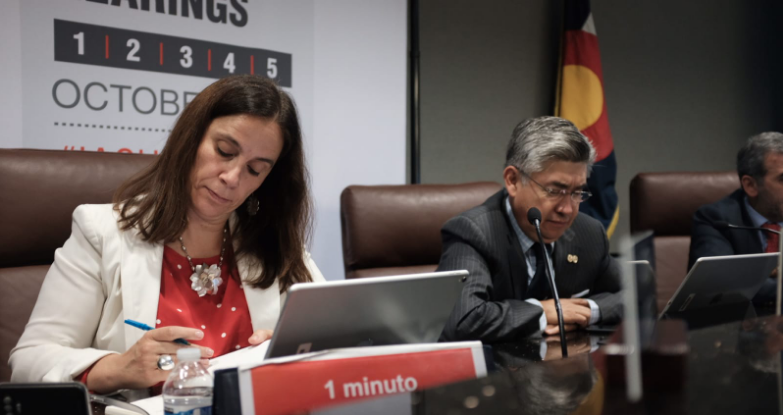
Washington, D.C. September 24. Together with more than 20 organizations, the International Institute on Race, Equality, and Human Rights will participate October 1-5 in the 169th Period of Public Hearings held by the Inter-American Commission on Human Rights (IACHR) at the University of Colorado in the city of Boulder in the United States.

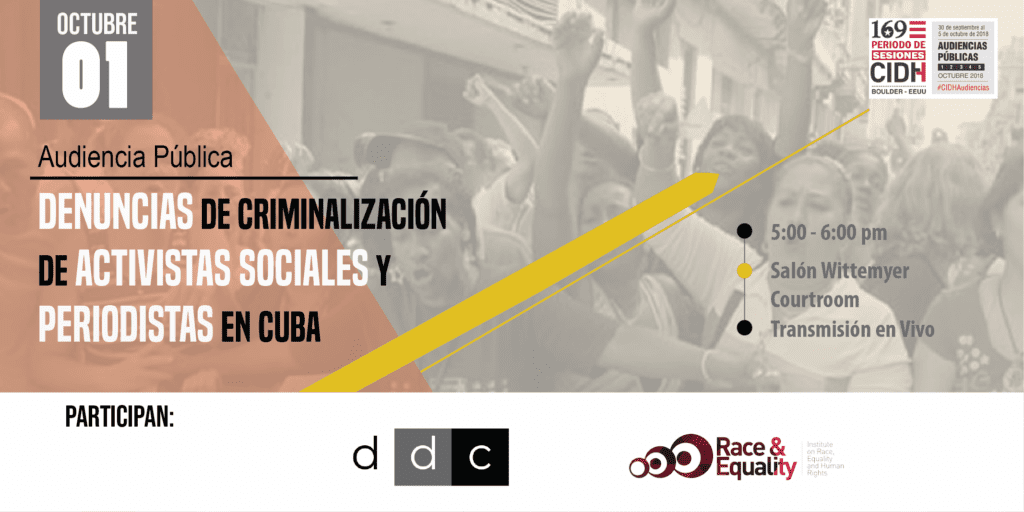
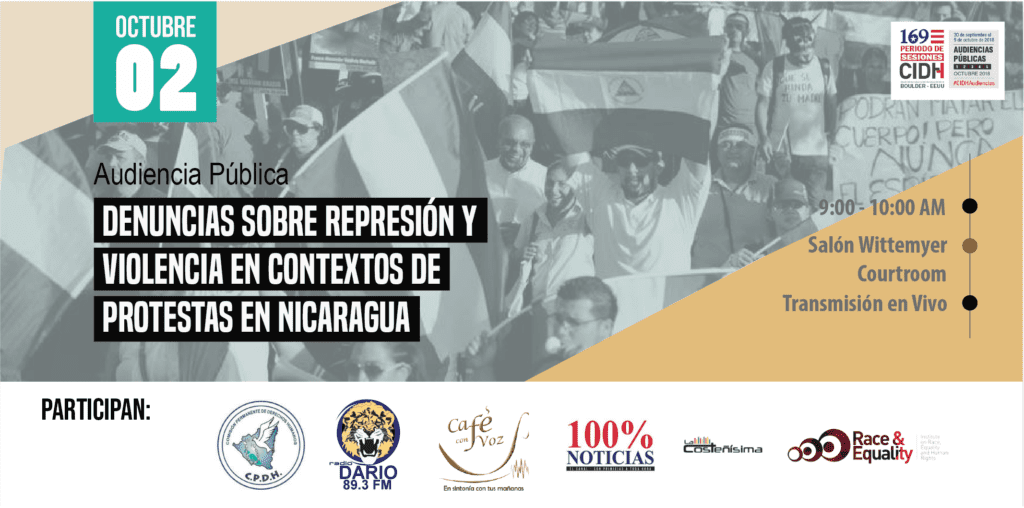
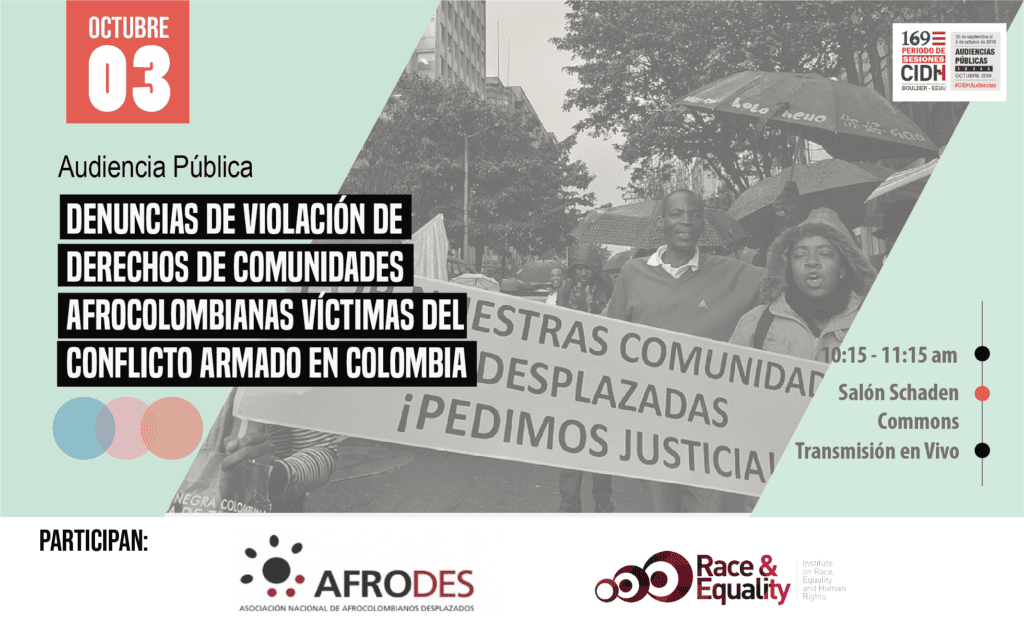
During the period of sessions, Race & Equality will participate in three (3) public hearings requested by organizations from Colombia, Cuba, and Nicaragua by speaking on the state of human rights in each of these countries to rapporteurs of the IACHR and international community.  In the case of Cuba and Nicaragua, the hearings are aimed at presenting cases of criminalization and repression of activists, journalists, [and] human rights defenders by the national governments of their countries in the midst of the political crises unleashed [and ongoing] to date.  In the case of Colombia, the hearing is aimed at describing and denouncing the state of human rights of the Afro-Colombian people.

The Inter-American Commission holds several periods of sessions each year, in which hundreds of human rights defenders from the region participate, along with delegations from the States comprised of high-level authorities in the field of human rights [and] academics, among others.  In accordance with what is established by Article 68 of IACHR Regulations, the hearings are public and interested parties can freely attend without the need to register beforehand.  The hearings are broadcast online in several languages on the official IACHR website.

Below we present the schedule of the public hearings on Colombia, Cuba, and Nicaragua in which Race & Equality will participate.

Join Our Efforts

Help empower individuals and communities to achieve structural changes in Latin America.