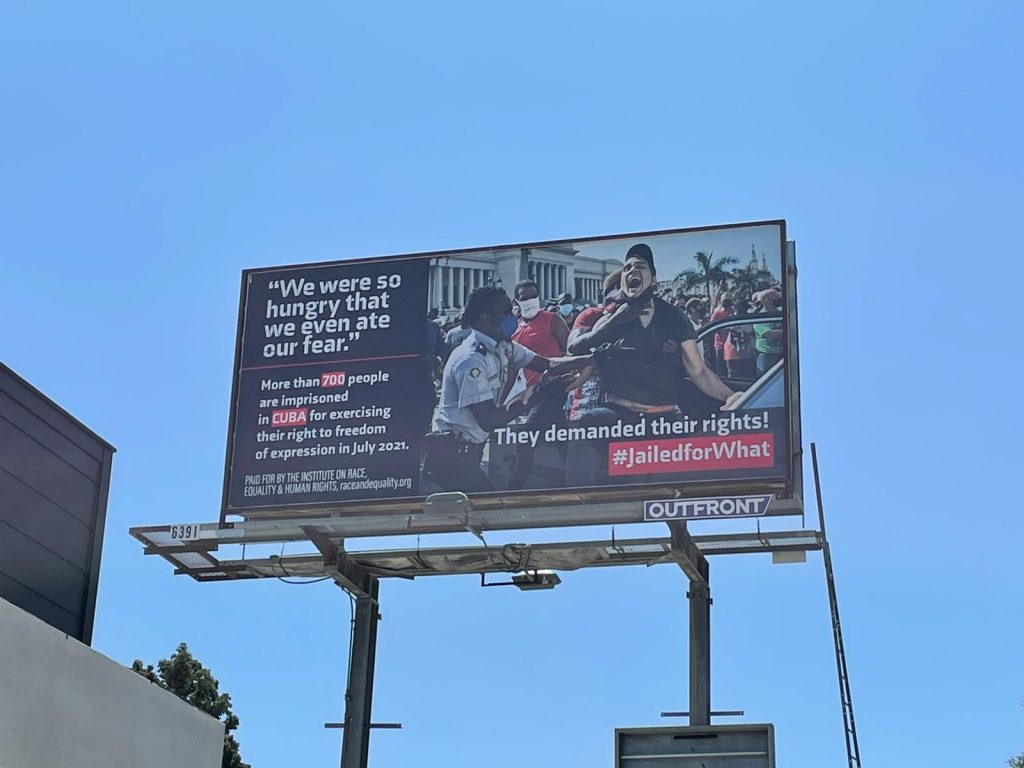
In Cuba, a systematic context of human rights violations persists which, combined with a deep political, economic, social, and energy crisis, places the population in a situation of permanent vulnerability. This reality worsened after the peaceful protests of July 11, 2021, considered historic due to the scale of citizen mobilization. In response, authorities detained nearly 1,500 people for exercising their fundamental rights, initiating criminal proceedings without due process and deploying a policy of repression that continues to this day.
Since then, the State has intensified practices such as arbitrary detentions, surveillance, harassment, the criminalization of protest, and migration restrictions under the designation of “regulated persons.” This repression operates in a differentiated manner, particularly affecting Afro-descendant people, women human rights defenders, and diverse populations. This situation is compounded by a mass exodus of young people and a rise in violence, including femicides, in a context of increasing civic space closure and the weakening of public freedoms.
Our work
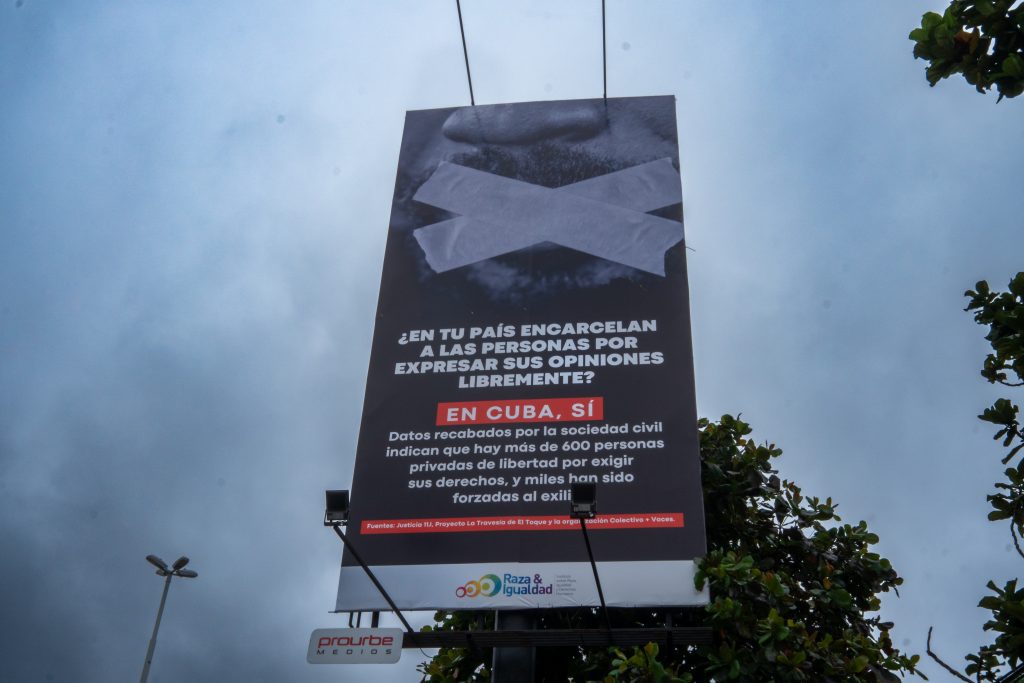
Since 2014, Race and Equality has acted as a strategic bridge between international human rights mechanisms and independent civil society in Cuba. In a context of civic space closure and state persecution, we conduct ongoing monitoring, documenting arbitrary detentions, acts of harassment, migration restrictions, and other violations. This information not only feeds into international legal actions but is also disseminated through systematic complaints on social media and communication campaigns, shedding light on repression and countering the official narrative.
In recent years, we have trained more than 500 allies in documenting violence, consolidating a strong network that enables the generation of verifiable information from within the island. In addition, we have strengthened 16 independent organizations and 62 human rights defenders by providing them with technical tools to participate in mechanisms such as the Universal Periodic Review and reviews before United Nations treaty bodies.
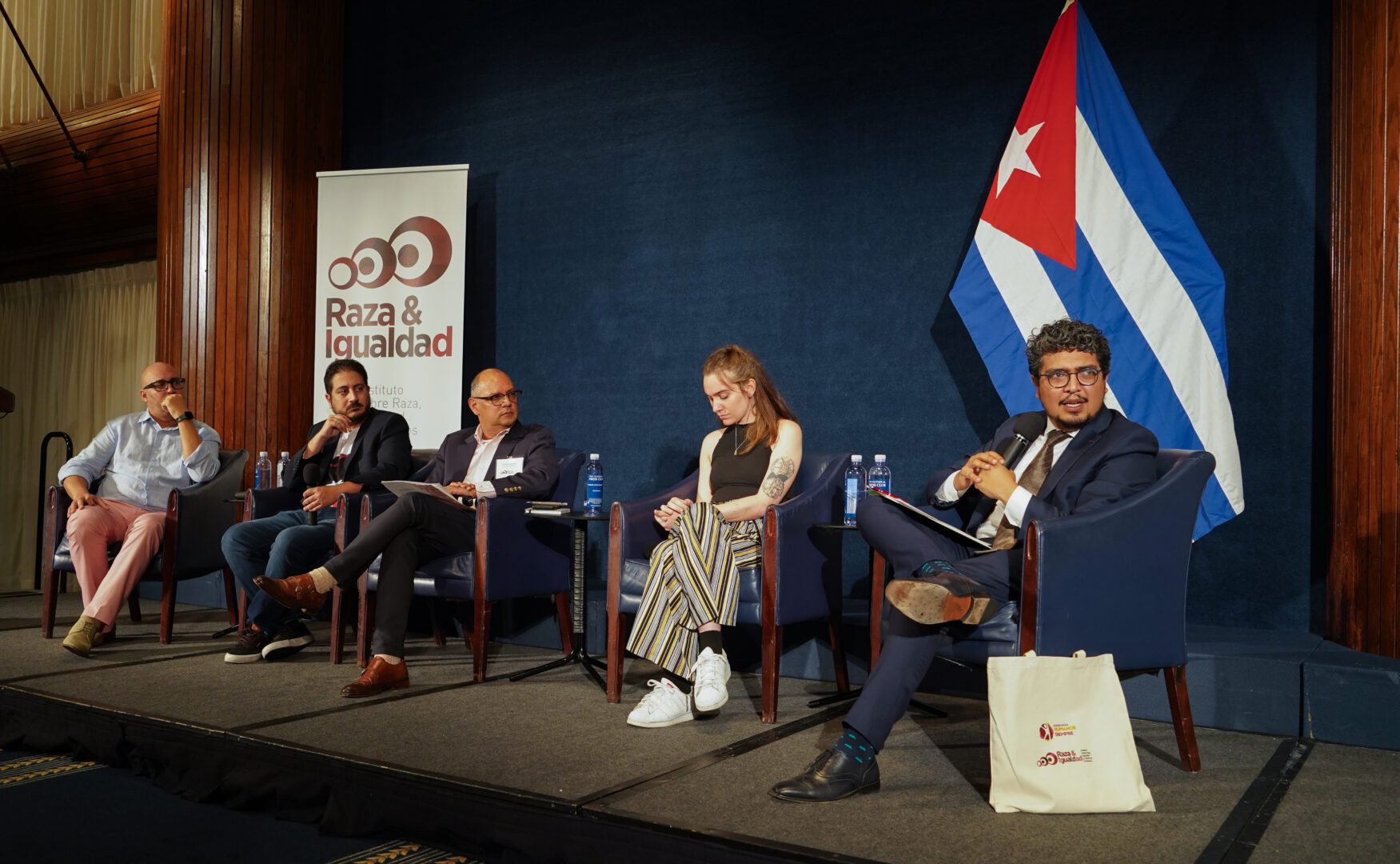
Our work combines strategic litigation, multilateral advocacy, and public communication. We have standing before the Inter-American Commission on Human Rights, where we represent emblematic activists and organizations in individual petitions and precautionary measures, and we have provided legal representation to 304 individuals before international mechanisms. We have also carried out advocacy missions before bodies such as the United Nations, the Organization of American States, and the Inter-American Commission on Human Rights itself, holding technical meetings and dialogue spaces that reinforce the accountability of the Cuban State.
Our Achievements
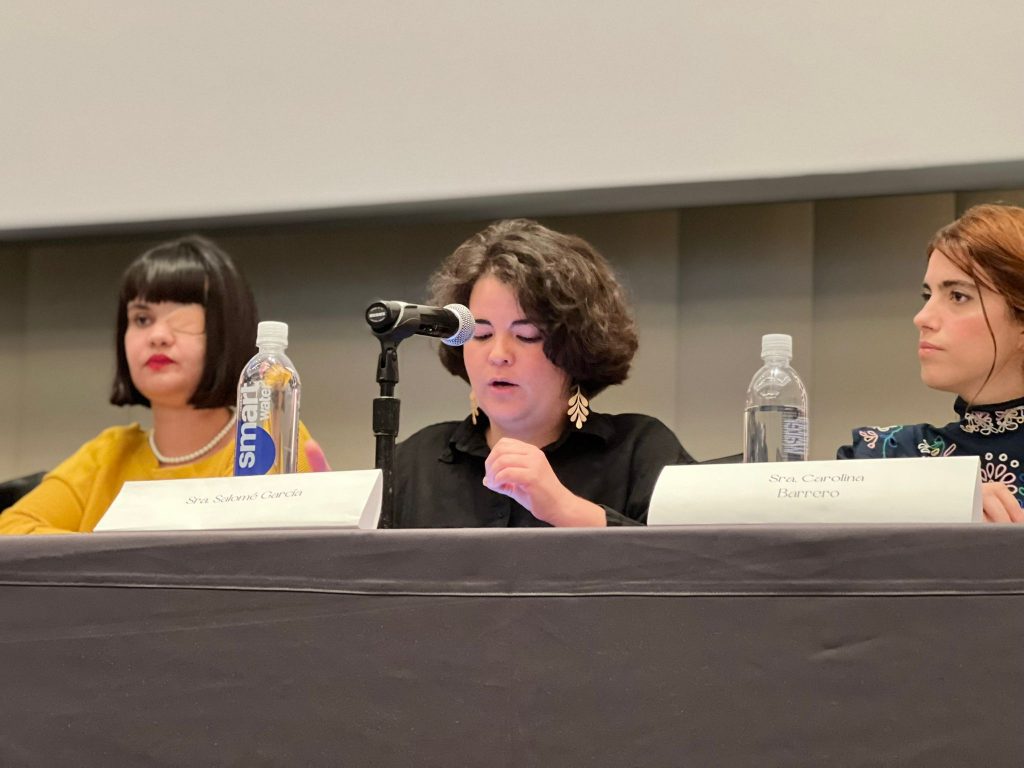
- In recent years, we have consolidated verifiable results in documentation and international advocacy, actively participating in the 44th session of the Universal Periodic Review (November 2023) with reports prepared alongside five independent organizations, and in the 89th session of the CEDAW Committee (October 2024). Within this framework, publications such as Voices in Resistance: Women Political Prisoners in Cuba and The Effective Exercise of Freedom of Association in Cuba: An Empty Right have also been produced, strengthening the documentary record on the situation in the country.
- We also intervened in several thematic hearings before the Inter-American Commission on Human Rights between 2023 and 2025, addressing the right to mobility, the follow-up to precautionary measures for persons deprived of liberty, freedom of association, and violations in contexts of institutional violence. These actions strengthened the international record of complaints and kept the situation under multilateral scrutiny.
- In the area of international legal actions, we submitted communications to the United Nations Committee on Enforced Disappearances, including the case of Berta Soler, as well as complaints to Special Procedures concerning members of the Ladies in White, individuals detained during the July 11 protests, religious leaders, and independent journalists. This helped expand international visibility of patterns of repression and harassment.
- Within the Inter-American System, we promoted petitions at the admissibility and merits stages in cases such as Eduardo Cardet Concepción, José Daniel Ferrer, and Ladies in White vs. Cuba, while also maintaining active follow-up on at least seven precautionary measures granted by the Inter-American Commission, including those related to Eduardo Cardet Concepción, Silverio Portal Contreras, and members of Cubalex. This sustained work has contributed to consolidating a robust international record on the human rights situation in the country.