Nicaragua Faces Devastating Crisis in Sexual and Reproductive Rights, Organizations Warn Ahead of 2024 UPR
Geneva, November 7.- Nicaragua is currently facing a severe crisis in sexual and reproductive rights, particularly affecting girls and adolescent women. In preparation for Nicaragua’s Universal Periodic Review (UPR), the […]
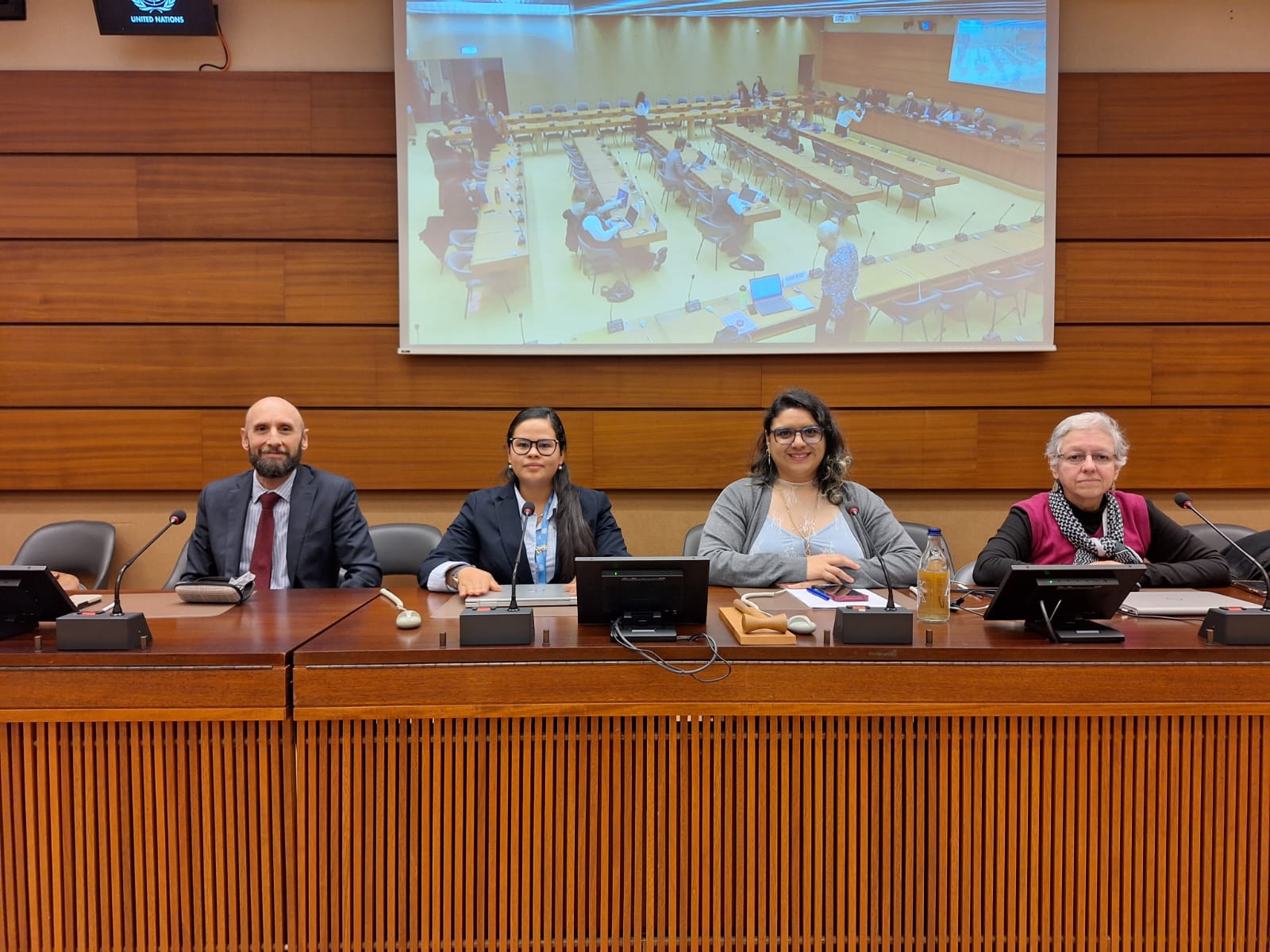
Geneva, November 7.- Nicaragua is currently facing a severe crisis in sexual and reproductive rights, particularly affecting girls and adolescent women. In preparation for Nicaragua’s Universal Periodic Review (UPR), the Center for Reproductive Rights, the International Service for Human Rights (ISHR), and the Institute on Race, Equality and Human Rights (Race and Equality) organized the side event entitled “Current Challenges in Women’s Rights and Sexual and Reproductive Rights in Nicaragua” to raise awareness of the critical situation of sexual violence and reproductive injustice impacting women in this country.
The event included testimonies from Nicaraguan advocates Winnye Bernard and Ana Quirós, as well as interventions from representatives of the Center for Reproductive Rights, the UN Committee on the Elimination of Discrimination against Women (CEDAW), and the Office of the United Nations High Commissioner for Human Rights.
Five Girls Under 14 Give Birth Every Day
Paulina Jiménez opened the event by highlighting the alarming lack of access to reproductive health information and services in Nicaragua. “It is estimated that at least five girls under 14 give birth each day, and Nicaragua has one of the highest adolescent pregnancy rates in Latin America, with 24.6% of mothers being under 18 years old,” said Jiménez.
Jiménez referenced two cases presented by the Niñas No Madres Movement to the United Nations Human Rights Committee: two young Nicaraguan girls in situations of extreme vulnerability, victims of sexual violence and forced motherhood. These cases reflect the grave crisis Nicaragua faces regarding sexual and reproductive rights, where restrictive laws and the lack of adequate public policies perpetuate sexual violence and impunity.
Nicaraguan feminist activist and advocate Ana Quirós recounted how the criminal code, in effect since 2006, criminalizes abortion despite repeated efforts to align the law with international human rights standards.
Quirós noted that so far in 2024, there have been 64 femicides and 158 attempted femicides, “and no one is talking about this.” According to Quirós, this situation is one consequence of the frequent amnesties granted by the Ortega-Murillo regime, which in 2024 alone has released over 8,000 common prisoners, many of whom were convicted of sexual violence and assault against women. “The restriction on abortion is just one more example of the (Ortega and Murillo’s) regime’s disregard for women’s lives, health, and sexual and reproductive rights,” she concluded.
Dismantling of Civic Space Has Left Women Defenseless
Winnye Bernard Canales, women’s rights advocate and Deputy Head of Regional Office Latin America of the European International Network for Human Rights (RIDHE), indicated that the state repression unleashed since 2018 has left women unprotected, facing high-risk pregnancies without safe options and living in a hostile environment that normalizes sexual violence. “Women in Nicaragua not only face a legal and social system that denies them their rights, but also lack comprehensive sexual education programs, putting them at risk of unwanted pregnancies and sexually transmitted diseases,” she said.
Bernard detailed how the persecution of feminist organizations, the closure of women’s police stations, and the criminalization of human rights defenders have increased impunity and left women victims of violence without protection. “The lack of institutional support and social stigma create significant barriers for women seeking justice in cases of gender violence,” she added.
Andrés Sánchez Thorin, a representative of the Office of the United Nations High Commissioner for Human Rights, explained the devastating impact of the dismantling of civic space, which has severely affected women by depriving them of crucial support networks. “The progressive shutdown of more than 3,500 civil society organizations, many of which provided essential support to women, has left numerous women without access to critical services and support networks, exacerbating gender inequalities and increasing risks,” said Sánchez.
“This violation of rights is even more severe for detained women, who are entirely deprived of any access to sexual and reproductive health services, leaving them in a particularly vulnerable situation,” added the UN representative.
Calling on the Nicaraguan State to Comply with CEDAW Committee Recommendations
Ana Peláez Narváez, President of the United Nations Committee on the Elimination of Discrimination against Women (CEDAW), addressed the Committee’s recommendations following the review of Nicaragua’s seventh to tenth combined periodic reports, stressing the urgent need for reforms in several key areas.
Peláez emphasized that the legalization of abortion in specific cases, such as rape, incest, or risk to the mother’s life, is among the Committee’s main recommendations. “Nicaragua must ensure access to safe, confidential, and stigma-free abortion services, as well as post-abortion care,” she stated.
The President noted that CEDAW has identified the urgent need to guarantee comprehensive sexual education for all ages within the education system, which is essential to prevent early pregnancies and sexually transmitted diseases. She also explained that “it is fundamental for the State to ensure girls and adolescents the right to return to school after becoming mothers and to eliminate legal barriers that prevent them from accessing employment and health services.”
Finally, Peláez urged the Nicaraguan State to restore legislation that protects women and to reopen the space for civil society organizations that provide sexual and reproductive health services.
Statement
In a context of escalating repression and with the upcoming Universal Periodic Review (UPR) by the United Nations Human Rights Council, the Institute on Race, Equality and Human Rights (Race and Equality) considers it urgent for the international community to issue a strong statement and demand firm commitments and concrete actions from the Nicaraguan government.
We urge the Nicaraguan State to comply with its international human rights obligations and implement reforms to ensure equality. Specifically, we demand:
- Alignment of criminal legislation with international standards regarding sexual and reproductive rights.
- Guaranteeing access to comprehensive sexual education and quality, accessible sexual and reproductive health services, particularly for women and girls in rural, Indigenous, and Afro-descendant communities.
- An end to the criminalization of human rights defenders’ work, allowing the reopening and full operation of civil society organizations that work for women’s rights.
- Restoration and strengthening of civic space, promoting a safe environment free from reprisals for those who defend and promote human rights in the country.