Supporting the Visiblity of Afro-Panamanians in National Statistics
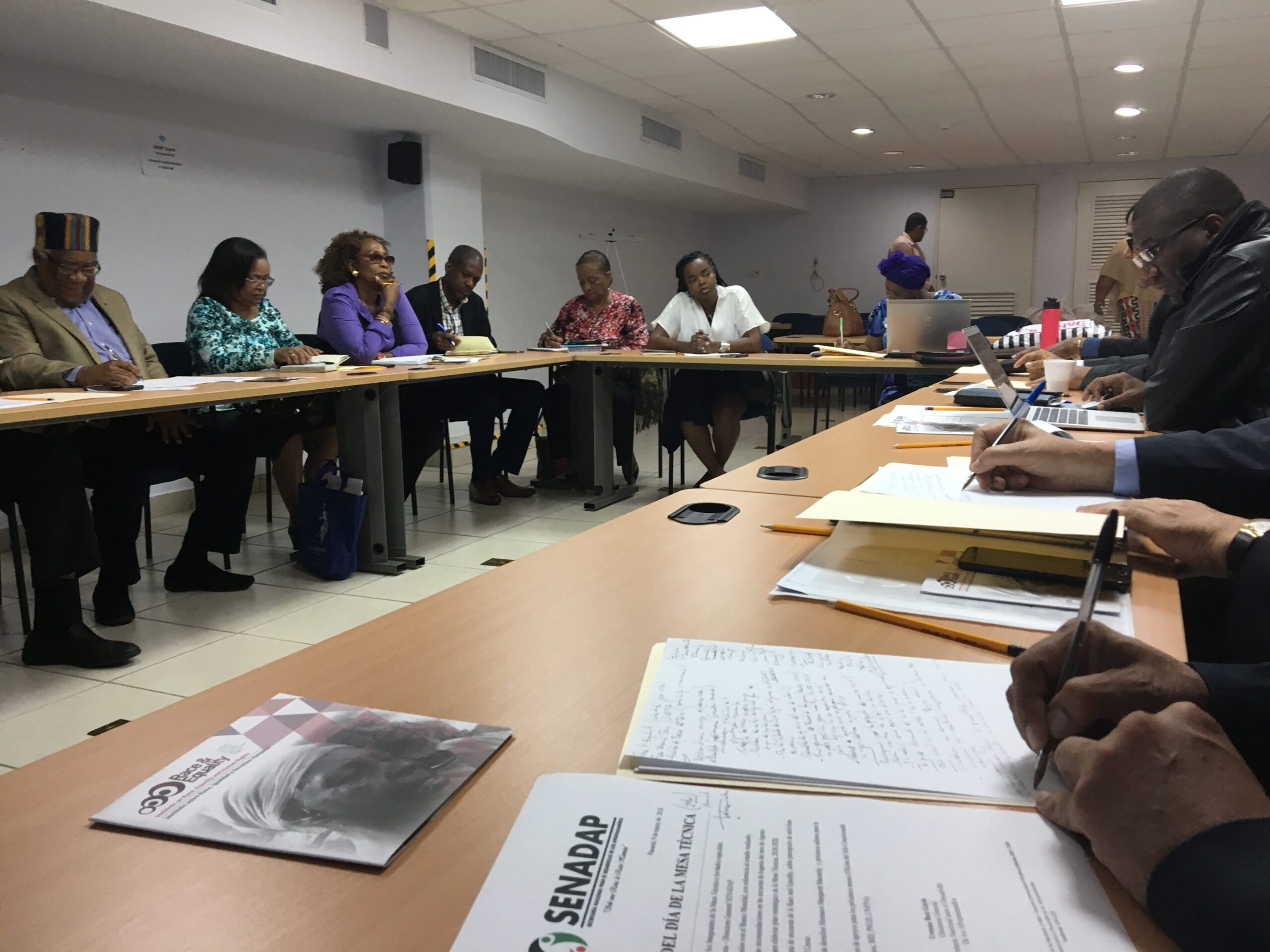
Washington, D.C., March 13, 2018. The Institute on Race, Equality, and Human Rights participated in a workshop on March 8-10, 2018 in Panama City, Panama; along with the Professor Mr. Carlos Viafara as well as Panamanian activists. Mr. Carlos Viafara is one of the few Afro-descendent academics in Latin America who studies the inclusion of ethnicity questions in the censuses of the region. He is known for his studies of official statistical data on Afro-descendent and indigenous populations in the Americas. Additionally, he has supported strengthening Afro-Colombian organizations in this area.
Mr. Viafara participated in the workshop on Friday, March 9, in the United Nations buildings in Cayton, along with the National Secretariat for the Development of Afro-Panamanians (SENADAP, for its initials in Spanish), headed by Ms. Urenna Best and the National Institute for Statistics and Census (INEC, for its initials in Spanish) represented by Mr. Roboan Gonzalez. The workshop was directed at members of the Afro-Panamanian Work Table and other Afro-Panamanian activists and was designed to continue promoting dialogue about the experience and best practices developed in Latin America on including ethnic questions in censuses and surveys. Activists were also able to state their concerns over the Panamanian Census process and have those concerns addressed. This was especially significant for members of the Work Table, who are responsible along with the INEC for designing the racial/ethnic self-identification question for Afro-descendants.
Mr. Viafora emphasized the need to design one or two questions that would allow the person being surveyed to identify themselves by terms describing cultural and phenotypical characteristics, such characteristics of the community they identify with most. This would ensure that self-recognition questions are understood by those being surveyed and reflect the reality of the country. Additionally, Mr. Viafora said that collecting official statistical data on Afro-descendants represents a significant contribution to the three pillars of the International Decade for Peoples of African Descent. This data is necessary to reduce social inequality because it is used by States when creating socio-economic policies. These policies must take into account accurate population numbers in order to have significant effects.
Mr. Roboan Gonazlez from the INEC gave an analysis of the history of the racial/ethnic self-identification questions and its results from the days of colonization until the present. He also presented a first look at a draft of the question and responses that will be included in surveys in March and August 2018. The draft question incorporated some of the changes demanded by the Work Table, such as the inclusion of Afro-descendent and “moreno” (brown skin) ethnic names and categories. The workshop participants took special note of this, given that it is a key element for educating communities and activists who may not have knowledge of this information.
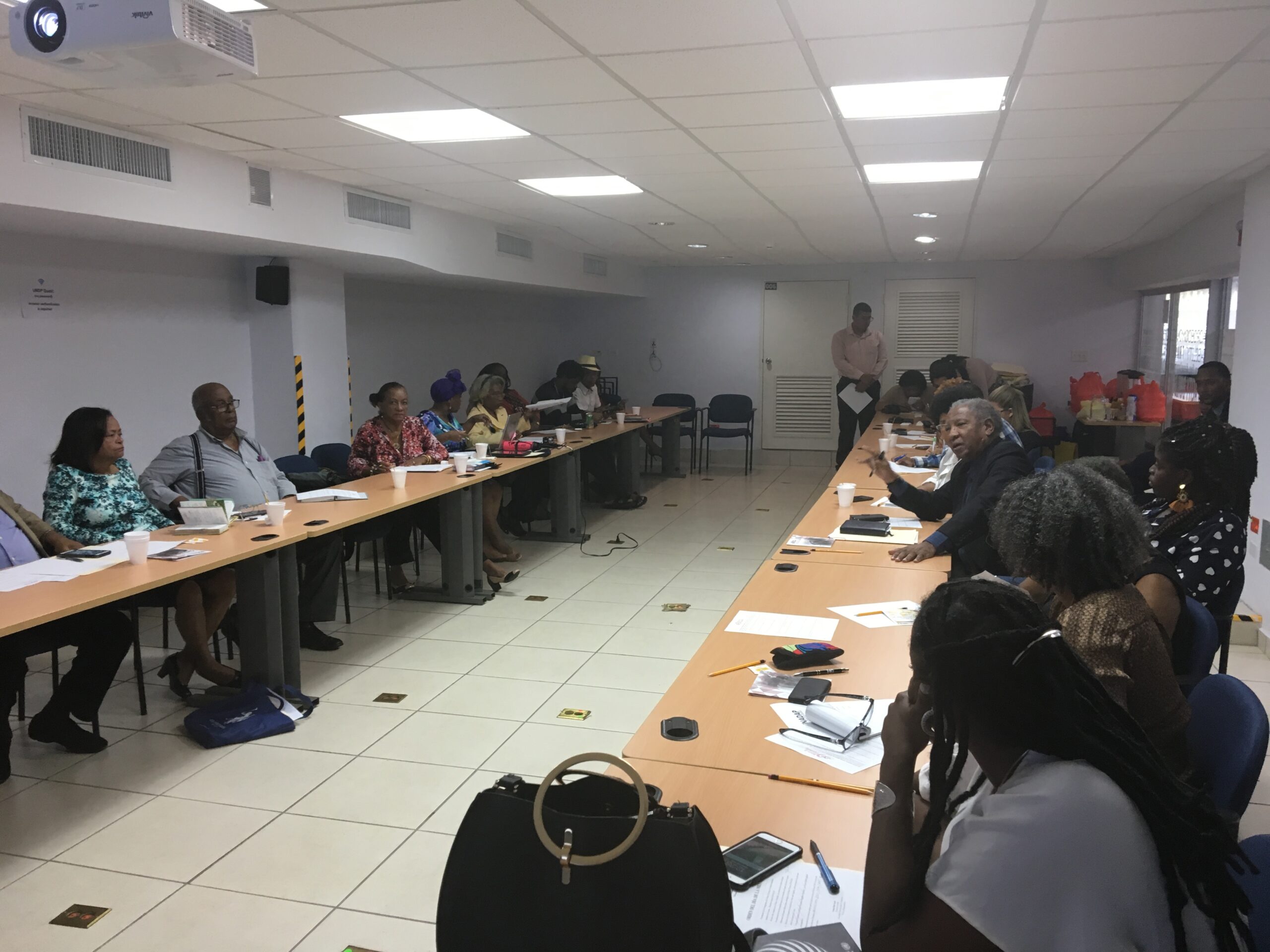
Through this workshop, participants were informed of the Panamanian Government’s initiative to include the racial/ethnic question in administrative registries, including health and transit agencies as well as prisons. This is being done without coordinating with the INEC, according to Mr. Gonzalez.
Workshop participants presented their complaints to the INEC representative about the lack of availability of the post-census and post-survey results specific to the Afro-descendant population. This information should be open to the public and available on the INEC’s website.
Race and Equality will continue to support the participation of Afro-Panamanian organizations in the process of inter-institutional dialogue and education for the development of a survey that will allow for the accurate identification of the Afro-Panamanian population.