UN Mechanism Reveals Racial Profiling and Police Racism in Colombia Amid Growing Reports of Deaths of Two Afro-descendant Men
On September 24, the UN International Expert Mechanism to Advance Racial Justice and Equality in Law Enforcement (EMLER) presented a report on racial violence in Colombia. The report was released following the deaths of two Afro-Colombian men who were beaten by police officers.
Bogotá, October 2, 2026 – Following its visit to the Colombian cities of Bogotá, Cali, Cartagena, and Quibdó from May 4 to 14 this year, EMLER presented a report to the United Nations Human Rights Council, concluding that systemic racism against Afro-Colombian people is deeply entrenched and perpetuated within institutions responsible for protection and the administration of justice. Its key findings regarding law enforcement and the justice system include:
- Systemic racism, “normalized and rendered invisible,” deeply rooted in security forces and the justice system.
- “Systematic and widespread” racial profiling.
- Unnecessary and disproportionate use of force, including lethal force: Afro-descendant youth pursued and shot in the back, and families left waiting for years without progress in investigations.
- Dehumanizing language by police officers and excessive police presence in spaces where Afro-descendant communities gather.
- Arbitrary fines and citations, “phantom citations,” informal police quotas, and the discriminatory use of protective custody transfers.
- Impunity, lack of access to justice, and fear of reporting abuses.
- Statistical invisibility: the absence of data disaggregated by race and the 31% decline in the Afro-Colombian population recorded in the 2018 census.
The Mechanism also warned that racial profiling can escalate into unnecessary use of force. Encounters arising from stops, searches, or identity checks based on stereotypes “can unnecessarily escalate into forms of physical violence,” including lethal force. The report states that impunity sends families the message that their lives are considered less valuable by the authorities.
“We wish to emphasize that racist police violence does not end with the victim’s body. Its effects extend to the entire Black People, and this collective harm is an essential part of the violation,” the document states.
EMLER documented psychosocial, socioeconomic, family, and community-related harm, including fear, anxiety, stress, distrust of the police, and a collective sense of vulnerability and lack of protection.
This has consequences for the relationship between communities and institutions. When the State presumes criminality based on skin color, physical appearance, hair, clothing, music, or neighborhood, the fundamental relationship of trust between citizens and institutions is broken. People stop reporting abuses and seeking justice, while underreporting protects those responsible for violence. The Mechanism identified “widespread distrust” of security and justice institutions among Afro-descendant people.
There are also lasting consequences that often go unnoticed. Accumulated fines can become barriers to employment, pushing young people into informal work or, alternatively, unemployment. EMLER described these practices as a form of “administrative criminalization of Blackness, poverty, youth, and sexual and gender diversity.”
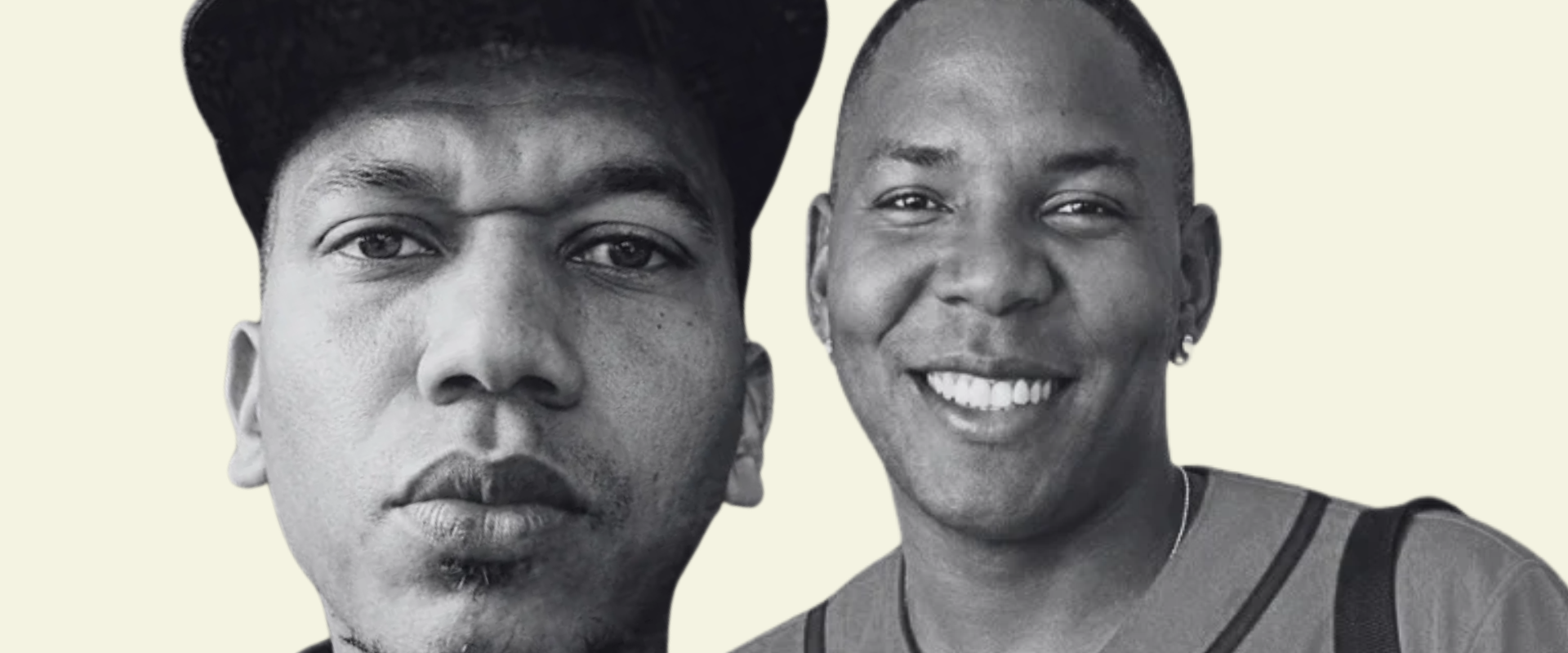
The EMLER report was released amid public outcry in Colombia over the case of Donovan Balanta, a 34-year-old man who died on September 20 in southwestern Bogotá after being beaten by a group of National Police officers. This case adds to that of Luis Alfredo Echeverry, another young Afro-Colombian man who died on September 27 in the department of Cauca. Both cases reflect, with disturbing precision, patterns of violence documented by the UN Mechanism: a police encounter in a low-income neighborhood with a predominantly Afro-descendant population; the use of force against a person who had been subdued and was under state control; public allegations that the incident began with discriminatory remarks; and a community forced to mobilize to ensure that evidence is preserved and investigations move forward.
EMLER’s findings are general in nature and do not constitute conclusions regarding either of these cases. Nevertheless, the racial dimension must be incorporated into the investigations from the outset. “The role that racial discrimination, stereotypes, and prejudice may have played in the incident must be examined. An investigation that ignores this dimension will be incomplete,” the report states.
Following the publication of this report and the recent cases of violence in which two Afro-Colombian men have died, Race and Equality calls on State institutions to adopt concrete measures in response to these incidents and to address the recommendations issued by the international mechanism.
First, we call on the Office of the Attorney General of the Nation to investigate the deaths of Donovan Balanta and Luis Alfredo Echeverry promptly, independently, and impartially, ensuring the immediate preservation of all evidence, including footage from public and private surveillance cameras. We also consider it essential to incorporate the racial dimension into both investigations and assess the appropriate criminal charges in accordance with international standards on torture and the unlawful use of force.
We call on the National Police and the Ministry of Defense to fully cooperate with the justice system, ensure that no officers under suspicion remain in positions that could allow them to interfere with the investigations, and refrain from any actions that could stigmatize the victims or their communities. The Public Prosecutor’s Office and the Office of the Ombudsperson must actively oversee disciplinary and criminal proceedings and ensure that families receive support through an ethnic-racial and differential approach.
Likewise, we call on the National Government to provide guarantees to the families and communities against potential reprisals, ensure their effective participation in the proceedings, and guarantee comprehensive reparation, including guarantees of non-repetition. We also call for the adoption of a public plan to implement EMLER’s recommendations, with clearly defined responsibilities, a timeline, a budget, and monitoring mechanisms that include the participation of Afro-descendant organizations. This plan must include an explicit prohibition of racial profiling, the initiation of the process to transfer the National Police to a civilian ministry, and the publication of data disaggregated by race and ethnicity on the use of force, arrests, citations, and deaths in custody.
We call on the Congress of the Republic to move forward with the ratification of the Inter-American Convention against Racism and the acceptance of the individual communications procedure before the Committee on the Elimination of Racial Discrimination (CERD), as well as to enact legislation to prevent and punish racial profiling.
Finally, we call on the international community and human rights organizations to maintain public oversight of both these cases and the implementation of EMLER’s recommendations, in order to help ensure truth, justice, reparation, and guarantees of non-repetition for affected Afro-descendant individuals and communities.