Os caça-níqueis com tema de dinheiro e recompensas continuam entre os favoritos dos jogadores brasileiros, e não é difícil entender o motivo: visuais chamativos, mecânicas simples e a promessa de multiplicadores generosos criam uma experiência divertida mesmo para quem está começando no mundo dos slots online.

O Сash mania segue essa linha, trazendo um layout colorido, símbolos clássicos de cassino e rodadas bônus que podem aumentar significativamente os ganhos durante a sessão de jogo. A jogabilidade é intuitiva, com controles simples de aposta e giro automático disponíveis para quem prefere um ritmo mais rápido.

A volatilidade do jogo tende a ser moderada, equilibrando ganhos frequentes de menor valor com a chance ocasional de rodadas bônus mais recompensadoras. Isso torna o slot acessível tanto para quem joga por diversão quanto para quem busca sessões mais longas com um saldo controlado.

Como em qualquer jogo de cassino online, é recomendável testar a versão demo antes de apostar dinheiro real, além de verificar se o cassino escolhido para jogar possui licença válida e processos de pagamento transparentes.

Civil Society Organizations from Latin America and the Caribbean will participate at the 49th OAS General Assembly

Civil Society Organizations from Latin America and the Caribbean will participate at the 49th OAS General Assembly

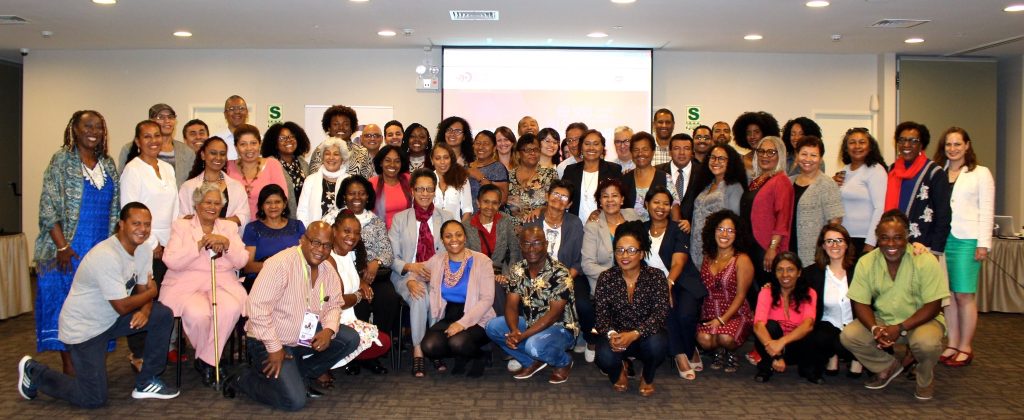
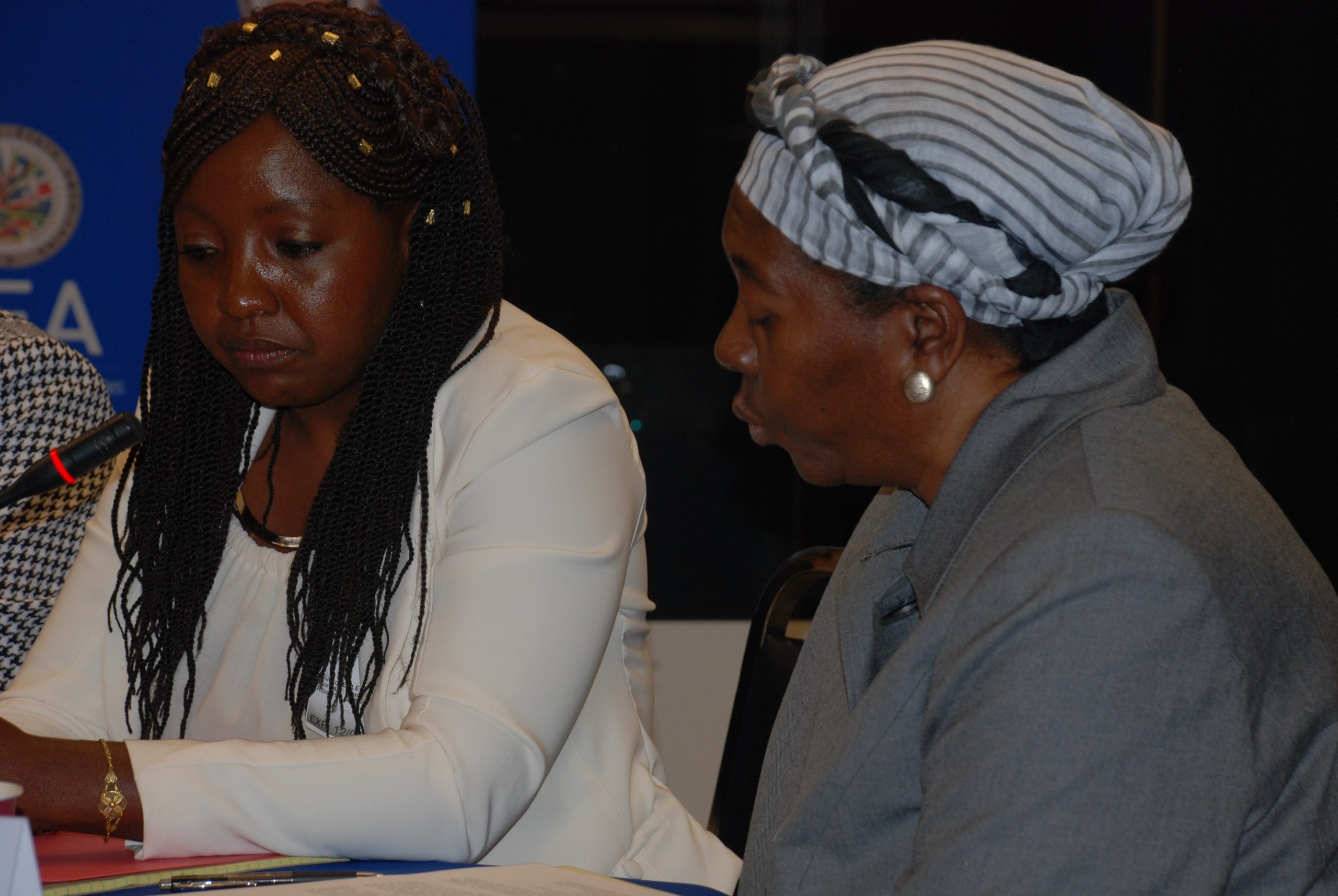
Throughout the 49th General Assembly of the Organization of American States (OAS) in Medellín, Colombia from June 25-28, the International Institute on Race, Equality and Human Rights (Race and Equality), alongside a variety of organizations from Latin American and Caribbean countries including Brazil, Colombia, the Dominican Republic, Bolivia, Peru, Ecuador, and Nicaragua, will coordinate several events discussing the panorama of human rights in the region, especially among vulnerable populations and in countries currently facing violence.

All events will be broadcast live on Race and Equality’s Facebook page. There will also be extensive coverage of the events on social media, under the hashtags #AsambleaOEA and #RazaeigualdadOEA

Below please find details for each of the events that Race and Equality will host during the regional summit:
INTER-AMERICAN FORUM AGAINST DISCRIMINATION

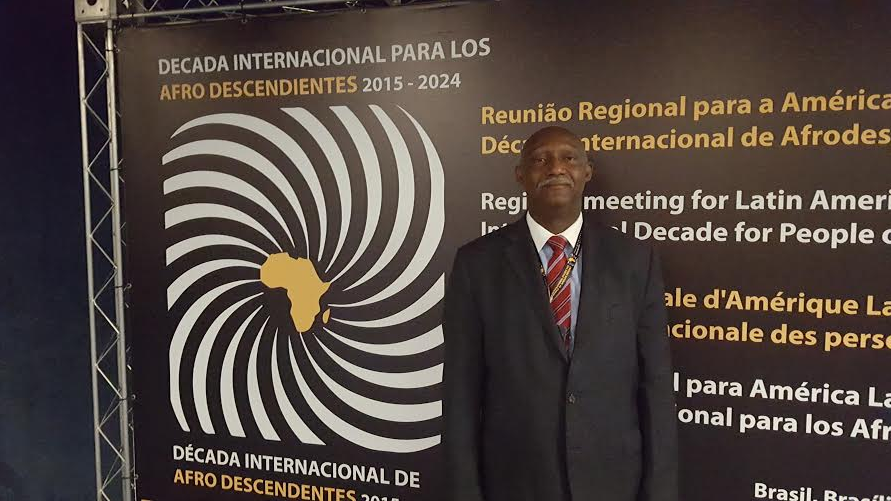
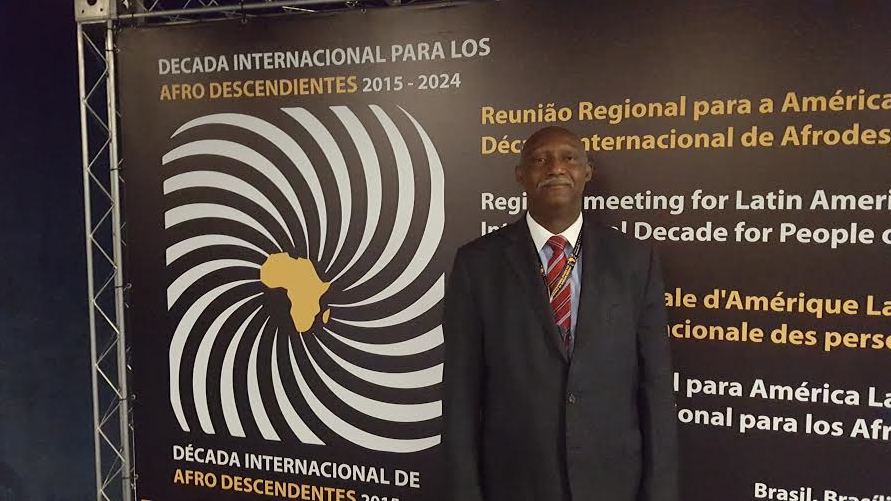
Objective: To reflect upon and analyze the situation of Afro-descendent people in Latin America and the Caribbean in the framework of the International Decade for People of African Descent.

  • Date: Tuesday, June 25
  • Time: 8:30am – 1:00pm
  • Location: Hotel Estelar Milla de Oro (Medellín)

You can find the full program here (in Spanish only).

Opening:

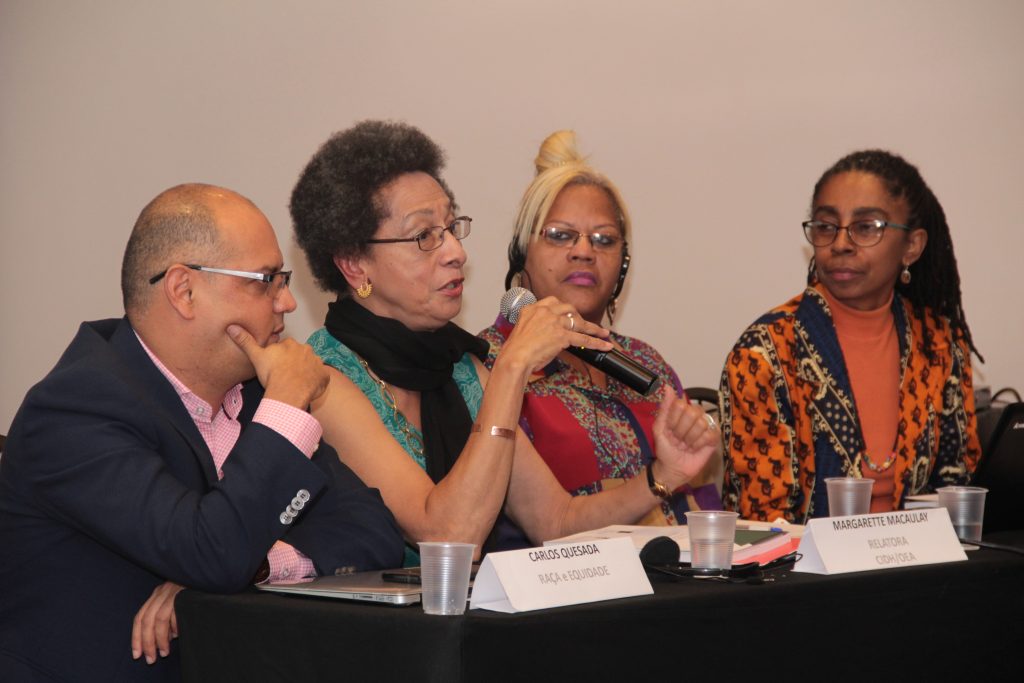
Carlos Quesada – Executive Director of Race and Equality.

Panelists:
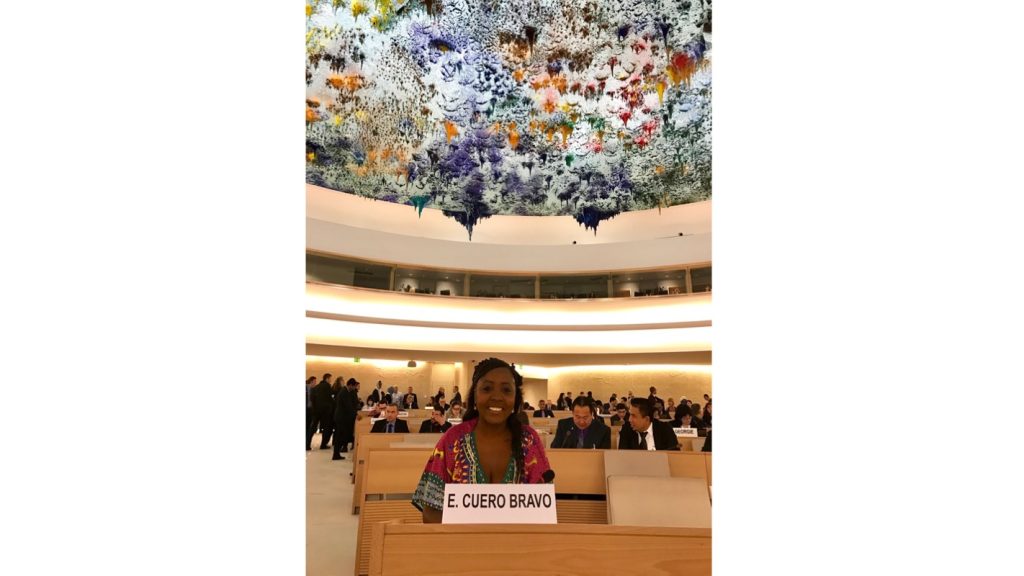
Erlendy Cuero Bravo – Vice-president AFRODES, Colombia
Paola Yánez – Regional Coordinador, Red de Mujeres Afrolatinas y Afrocaribeñas de la Diáspora
Margarette May Macaulay – IACHR Rapporteur on the Rights of Persons of African Descent and against Racial Discrimination
Christian King – Executive Director, Trans Siempre Amigas, Dominican Republic
Rodnei Jerico da Silva – Coordinador SOS Racismo, Brazil
Catherine Pognant, Director of the Office of Civil Society, Organization of American States
Juan Antonio Madrazo, National Coordinator, Comité Ciudadano por la Integración Racial, Cuba
Harvey Maradiaga, Coordinator ADISNIC, Nicaragua
Elvia Duque, representant of Race and Equality

Moderators:
Adriana Rodríguez –  Race and Equality
Cecilia Ramírez – Centro de Desarrollo de la Mujer Negra Peruana (CEDEMUNEP)

THE IMPLEMENTATION OF THE COLOMBIAN PEACE ACCORDS: SOCIAL INNOVATION AND DEVELOPMENT IN AFRO-COLOMBIAN TERRITORIES

Objective: To discuss the opportunities for meaningful and effective implementation of the peace accords in Colombia, while also identifying the causes of increased killings of Afro-descendent social leaders.

  • Date: Tuesday, June 25
  • Time: 5:00pm-7:30pm
  • Location: Hotel Estelar Milla de Oro (Medellín)

Panelists:
Ángela Salazar, Commissioner, Colombian Truth Commission
Nixon Ortiz, Fundación Arcoíris libre de Tumaco
Audes Jiménez, Red de Mujeres Afrolatinoamericanas y Afrocaribeñas y de la Diáspora (RMAAD)
Emigdio Cuesta Pino, Conferencia Nacional de Organizaciones Afrocolombianas CNOA
Melquiceded Blandon, Consejo Nacional de Paz Afrocolombiano (Conpa)

Moderators:
Elvia Duque, Race and Equality
Wilson Castañeda, Caribe Afirmativo

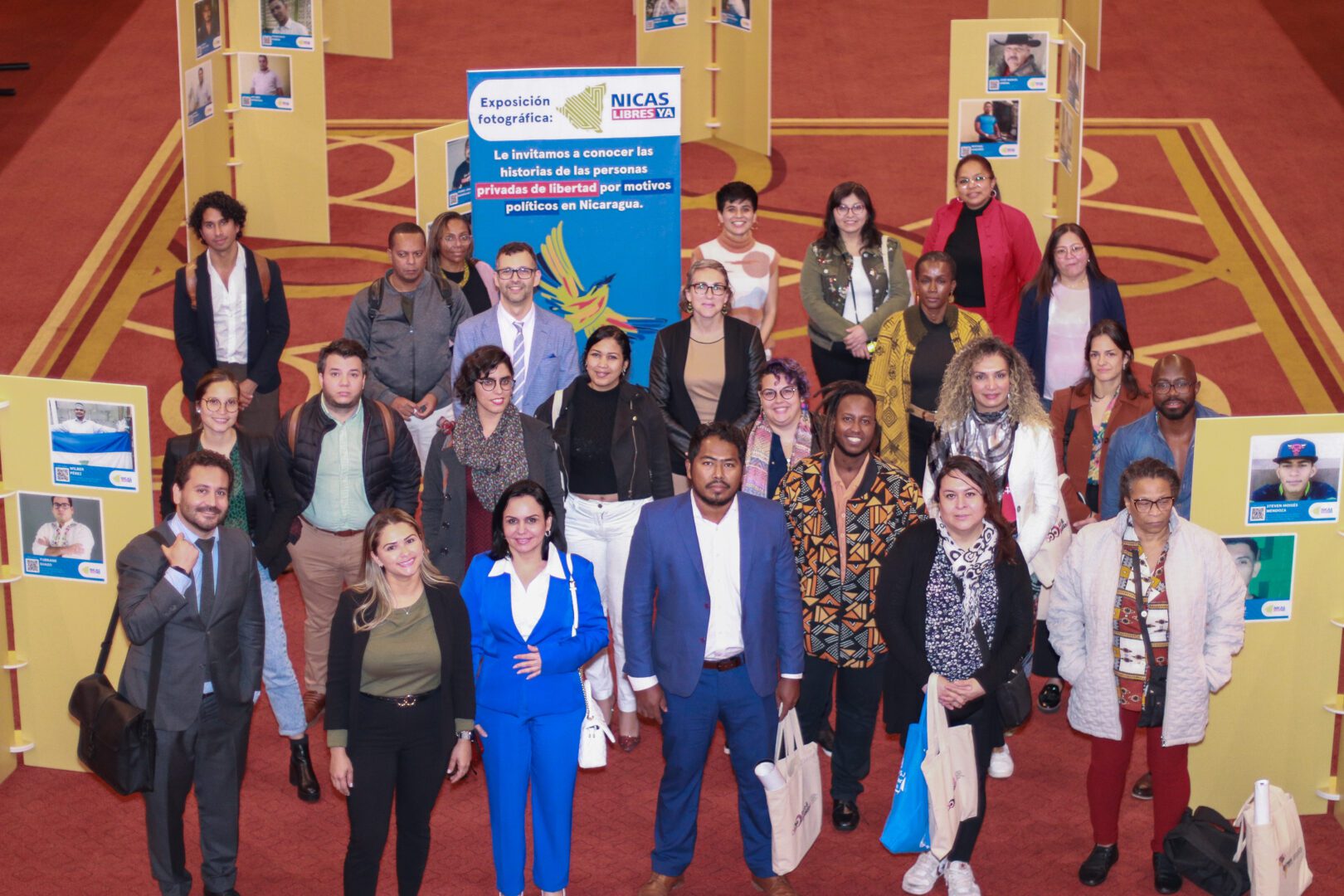
WHERE IS NICARAGUA HEADING? CHALLENGES TO HUMAN RIGHTS IN THE CONTEXT OF CRISIS


Objective: 
To discuss the challenges facing Nicaragua after 14 months of crisis, particularly the obstacles to guaranteeing human rights in the country, and to discuss the path to renewed dialogue between the Nicaraguan Government and the Civic Alliance for Justice and Democracy.

  • Date: Wednesday, June 26
  • Time: 6:30-8:30pm
  • Location: Hotel Estelar Milla de Oro (Medellín)

Panelists:

Roberto Desogus, Coordinator for Nicaragua on the Office of the United Nations High Commissioner for Human Rights
Antonia Urrejola, Commissioner and Rapporteur for Nicaragua, Inter-American Commission on Human Rights
Sofía Macher, member of the Interdisciplinary Group of Independent Experts (GIEI), Nicaragua
Marlin Sierra, Executive director CENIDH
Azahalea Solís, member of Alianza Cívica and representative of the MAM
Lucía Pineda, Head of Press 100% Noticias

Moderator:
Ana Bolaños,  Race and Equality

LAUNCH OF THE IACHR REPORT “RECOGNITION OF THE RIGHTS OF LGBTI PEOPLE”

Objective: For the first time in Colombia, Race and Equality will debut the results of an IACHR study published in May on the advances that American states have made the protect the rights of LGBTI people, so that other countries can advance the agenda of equality, inclusion, and non-discrimination for the LGBTI community.

  • Date: Thursday, June 27
  • Time: 6:00-8:00 pm
  • Location: Hotel Estelar Milla de Oro (Medellín)

Panelists:

Antonia Urrejola, IACHR Commisioner and Country Rapporteur for Brazil, Cuba, Jamaica, Trinidad & Tobago, and Uruguay.
Ernesto Zelayandia, Fellow IACHR Special Rapporteurship on the Rights of LGTBI Persons
Sandra Milena Arizabaleta,  Somos Identidad, Colombia
Alessandra Ramos, Transformar, Brasil
Belén Zapata,  Red de Jóvenes Afroperuanos Ashantí, Perú

Moderator: 

Mauricio Noguera, LGBTI Program Officer, Race and Equality

HUMAN RIGHTS ORGANIZATIONS URGE THE DOMINICAN REPUBLIC TO RESPECT & PROTECT THE IASHR

Santo Domingo, Dominican Republic, May 29, 2019 – The undersigned organizations express our concern regarding the State’s rejection of the Inter-American Court of Human Rights’ recent resolution with respect to the Dominican Republic, in which the Court reiterated its jurisdiction to hear cases against that State. The Inter-American Court determined that the Dominican Constitutional Tribunal decision TC-256-14, which, according to the State, would prevent the Court from making any ruling concerning the country, is invalid under international law.

On April 26, the Dominican State affirmed in a press conference that it will continue not to recognize the jurisdiction of the Inter-American Court on the basis of the TC-256-14 decision, despite the Court’s recent resolution. The current president of the Dominican Constitutional Tribunal and the former president of the Republic, Leonel Fernández, have made similar statements. It bears noting that in 1999, President Fernández himself formally accepted the jurisdiction of the Inter-American Court of Human Rights on behalf of the Dominican State. In addition, while different political actors have spoken out against the Court’s resolution, prominent legal experts have supported its conclusion, asserting that the Inter-American Court maintains its jurisdiction and that, constitutionally, its decisions are as binding as those of the Constitutional Tribunal.

As human rights organizations, we are concerned about the position expressed by representatives of the Dominican State, as it forms part of an effort by the State to limit access to justice for all people living in the Dominican Republic. It is important to point out that there are currently more than 86 cases of human rights violations with respect to the Dominican Republic before the Inter-American Commission on Human Rights (IACHR), which deal with issues such as women’s rights, political participation, the rights of persons deprived of their liberty, due process, and the right to an effective remedy before the law, among others, which could eventually be decided by the Inter-American Court of Human Rights. Given the Dominican State’s position, these victims may see their possibilities of justice and reparation seriously affected.

Over the years, both the IACHR and the Inter-American Court have been essential pillars for the defense and protection of human rights throughout the continent, and have contributed significantly to the advancement of human rights in our countries. Thus, for example, the organs of the Inter-American human rights system (IAHRS) have developed international human rights standards in the fight against corruption in countries such as Guatemala and Honduras, which have contributed to initiatives such as the International Commission Against Impunity in Guatemala (CICIG) or the Mission to Support the Fight Against Corruption and Impunity in Honduras (MACCIH). Likewise, they have been fundamental in the defense and guarantee of the rights of diverse groups such as LGBTI persons, persons deprived of their liberty, Afro-descendants and indigenous people, children, adolescents, people with disabilities, human rights defenders, and migrants, among many others.

It should be noted that, beyond the great uncertainty for the victims who already have received judgments in their favor, the position of the Dominican State with respect to the competence of the Inter-American Court limits the possibilities of all persons residing in Dominican territory to obtain redress for violations of their human rights in the absence of a solution at the national level. For them, the IAHRS may be the last hope of finding justice, truth and redress.

For all the above reasons, the signatory organizations, all of which work in the defense of human rights, urge the Dominican Republic to recognize its international obligations, legal certainty, and avoid limiting the guarantees of protection.

Download pronouncement

We appreciate the Inter-American Court of Human Rights’ resolution requiring urgent measures for Lucía Pineda, Miguel Mora, and 15 other political prisoners

Washington, DC, May 22, 2019 – The President of the Inter-American Court of Human Rights, Eduardo Ferrer MacGregor, issued a resolution yesterday, May 21, requiring the State of Nicaragua to immediately adopt the necessary measures to effectively protect the health, life, and personal integrity of 17 persons who were imprisoned for having made use of their legitimate right to protest.

Among the beneficiaries of the provisional measures are journalists Miguel Mora Barberena, Director of 100% News Channel, and Lucía Pineda Ubau, Press Officer of 100% News Channel, both of whom are represented by the International Institute on Race, Equality, and Human Rights (Race & Equality), the Nicaraguan Human Rights Center (CENIDH), and Violeta Barrios de Chamorro Foundation (FVBCH).

Pineda Ubau, 45, was detained together with Miguel Mora, 55, on December 21, 2018.  That day, several police patrols broke into the 100% News Channel television station’s facilities at night bearing arms.  During the operation, they dismantled and removed journalistic equipment and illegally detained the journalists.  The detention of the journalists was, according to the Inter-American Commission on Human Rights (IACHR) a consequence of “alleged reprisals for the exercise of their journalistic activity and the right to freedom of expression.”

Mora and his relatives had received precautionary measures from the IACHR just eight days prior to his detention, and currently he is detained in the La Modelo Prison, while Pineda received precautionary measures on February 22, 2019 and to date remains in the La Esperanza Women’s Prison.  Both await an oral public trial for the crimes of inciting, proposing, and conspiring to commit terrorist acts.

The measures granted

The other beneficiaries are student Amayva Eva Coppens; the leaders of the Masaya April 19 Movement Cristhian Rodrigo Fajardo, Yubrank Miguel Suazo, and María Adilia Peralta; members of the Managua April 19 Movement Kevin Rodrigo Espinoza and Edwin José Carcache; campesino leaders Medardo Mairena Sequeira and Mario Lener Fonseca Díaz; university professor Ricardo Baltodano; businesswoman Irlanda Undina Jeréz; sisters Olesia Auxiliadora Muñoz Pavón and Tania Verónica Muñoz Pavón; and human rights defenders Jaime Ramon Ampié Toledo, Julio José Ampié Machado, and Reynaldo Lira Luquez.

The measures granted by the President of the Inter-American Court of Human Rights require the State of Nicaragua to immediately evaluate the granting of alternative measures to imprisonment for 12 of the beneficiaries, including journalists Miguel Mora and Lucía Pineda.  Five of the beneficiaries of the measures were imprisoned May 20, 2019 and placed under house arrest.

In addition, they provide, following the acquiescence of the State, that a delegation of the Inter-American Court of Human Rights will visit the Esperanza Women’s Prison and La Modelo Men’s Prison to interview the beneficiaries and diverse State authorities.  The Inter-American Court of Human Rights delegation will be comprised of its President, Vice President, another judge, the Secretary, and the Secretary’s staff.

In accordance with the provision of the President of the Inter-American Court of Human Rights, the State of Nicaragua must report no later than June 1 on the urgent measures it has adopted in order to comply with the resolution.

Our position

Race & Equality, CENIDH, and the Violeta Barrios de Chamorro Foundation, in our capacity as representatives of Miguel Mora Barberena and Lucía Pineda Ubau, embrace with hope the resolution issued by the President of the Inter-American Court of Human Rights regarding the 17 people imprisoned in Nicaragua who are in a state of extreme gravity and urgency and in need of preventing irreparable harm in the face of the continuous torture, assault, and ill treatment they receive from the authorities and prison officials.

We urge the State to immediately ensure compliance with the resolution issued yesterday by the President of the Inter-American Court of Human Rights, and that it fulfill its obligation to guarantee that the detained persons are in conditions compatible with the respect for their human dignity, their right to health, and their personal wellbeing.  In addition, we expect the State of Nicaragua to guarantee the beneficiaries’ access to the visits of their relatives, lawyers, and doctors so their physical ailments can be duly addressed.


Signed:

International Institute on Race, Equality, and Human Rights (Race & Equality)

Nicaraguan Human Rights Center (CENIDH)

Violeta Barrios de Chamorro Foundation (FVBCH)


Human rights defender Vilma Núñez asks the IACHR to demand respect for the right of association in Nicaragua

Jamaica, May 9, 2019. Yesterday, the President of the Nicaraguan Center for Human Rights (CENIDH, for its initials in Spanish), Vilma Núñez, asked the Inter-American Commission on Human Rights (IACHR) to address the State of Nicaragua in conjunction with the relevant bodies of the United Nations regarding the right to freedom of peaceful assembly and association in the country. That right that has been widely violated by the authorities during the crisis that has enveloped Nicaragua since April 2018.

Núñez’s request was made during the regional hearing entitled “Human rights, development and freedom of association” during the 172nd session of the IACHR. The hearing occurred five months after the CENIDH’s legal status was invalidated.

“Thirty years of work by CENIDH were practically eliminated on December 12, 2018, when the National Assembly, controlled by the Ortega-Murillo presidential couple, annulled our legal status,” Núñez said. “On the night of December 13, the Ministry of the Interior gave the order to break into our offices in Managua, and 60 policemen forcefully entered through the roof. They tied our guard’s hands and feet together, beat him, and forced him to remain under a desk for four hours. They destroyed and stole everything,” she added.

Nuñez explained that the Chontales office of CENIDH was also ransacked by the police. On December 14, the organization’s bank accounts were frozen.

Eight other NGOs in the same situation

In addition to having canceled the legal status of CENIDH, the National Assembly invalidated the legal status of eight other Nicaraguan organizations: the Let’s Do Democracy Association, the Center for Health Information and Advisory Services (CISAS, for its initials in Spanish), the Institute for Strategic Studies and Public Policies (IEEPP, for its initials in Spanish), the Segovias Leadership Institute, the River Foundation, the Institute for Development and Democracy (IPADE, for its initials in Spanish), the Popol Na Foundation for Municipal Promotion and Development, and the Communication Investigation Center (CINCO, for its initials in Spanish).

“Repression has an impact on the development of our country in all aspects, since development requires a basic dialogue between the government and civil society, a smooth cooperation between governors and the governed. CENIDH, as well as the other organizations legally invalidated, represented a legitimate expression of citizen participation for the defense and promotion of human rights,” Núñez emphasized.

The human rights defender also denounced that the National Assembly that outlawed nine NGOs has granted legal status to parastatal associations, including the one named “Defenders of the nation.” “This is the legalization of paramilitarism in our country,” stated Núñez.

Petition

Núñez asked the IACHR to accurately assess the status of violations of the right of association in Nicaragua and to include this information in its report on the country.

In addition, she requested that the IACHR demand that the State of Nicaragua, in conjunction with the UN Special Rapporteur on the right to freedom of peaceful assembly and association, respect the right to freedom of association, the right to collectively defend rights, and consequently, immediately restore  the legal status of CENIDH and the other eight NGOs and return all of their assets.

Reactions

Other human rights defenders from Ecuador, Bolivia, Brazil, Venezuela, and Colombia also participated in the hearing to denounce violations of the right to freedom of association in their respective countries.

The UN Special Rapporteur on the right to freedom of peaceful assembly and association, Clément Nyaletsossi, urged defenders to send his office information that can be used as an input on his next report and called on States to eliminate any restrictions on this human right.

“Today we see how, in Venezuela and Nicaragua, the living conditions of citizens are deteriorating because civil society cannot offer their services. Civil society must stimulate and mobilize communities to fight against inequities,” he said.

During the hearing, the Special Rapporteur for freedom of expression of the IACHR, Edison Lanza, revealed that his office is working on a thematic report on social protest in the Americas. “The idea is to develop clear standards regarding the interaction and connection between freedom of peaceful assembly and association with the development of democracy, and economic, social, and cultural rights in the countries,” he explained.

Human rights defenders denounce the context of serious violence faced by Indigenous and Afro-descendant people of the Nicaraguan Caribbean

Jamaica, May 8, 2019. The indigenous and Afro-descendant communities of the Caribbean Coast of Nicaragua are facing a serious situation of violence as a result of the invasions of ancestral territories by settlers, human rights defenders denounced today before the Inter-American Commission on Human Rights (IACHR), during its 172nd period of sessions.

Lottie Cunningham of the Center for Justice and Human Rights of Nicaragua’s Atlantic Coast (CEJUDHCAN, for its initials in Spanish), explained that the conflict between indigenous people and settlers has had “devastating consequences,” because it has impacted rights to integrity, health, food, access to water, a healthy environment, cultural identity, and a decent life. Furthermore, this situation has resulted in the forced displacement of indigenous communities, seriously affecting their traditional ways of life.

The hearing entitled “Situation of the Indigenous and Afro-descendant people of the Caribbean Coast of Nicaragua” was also attended by Ana Bolaños of the Institute on Race, Equality and Human Rights (Race and Equality); Nora Newball of the Creole Government of Bluefields and the Alliance of Indigenous and Afro-descendant People of Nicaragua (APIAN, for its initials in Spanish); and Esteban Madrigal of the Center for Justice and International Law (CEJIL). The State of Nicaragua, which was invited to participate in the event, did not attend.

Context of the conflict

The Atlantic Coast of Nicaragua is a multi-ethnic, pluricultural and multilingual region where nearly 508,000 people with origins from the Mískitu, Sumu/Mayangnas, Rama and Afro-descendant (Creoles and Garífunas) communities live.

This territory “has been ravaged for years by poverty and by a systematic violation of the right to ancestral territories,” said Ana Bolaños, attorney at Race and Equality. As a result of a ruling of the Inter-American Court of Human Rights in 2005, the State of Nicaragua approved Law 445, which established a process of demarcation and titling of these communities’ lands.

Under this law, between 2007 and 2016, 23 territories benefiting 304 indigenous and Afro-descendant communities were demarcated, but the title-clearing process has not been carried out, which is the State guarantee to the indigenous people of “the effective use and enjoyment of their titled territories when faced with their occupation by third parties or settlers.”

In the absence of this process, the settlers, mostly ex-soldiers operating under the Nicaraguan State’s tolerance, extract the natural assets of the communities for marketing purposes.

Despite the fact that the IACHR granted precautionary measures in favor of 12 communities on the Northern Caribbean Coast of Nicaragua and that the Inter-American Court of Human Rights ordered the State to adopt measures to guarantee the life, integrity, territory and cultural identity of seven of these communities, “as of today, there has yet to be an effective response from the State,” according to activists.

Increase in violence

Cunningham warned that violent actions by settlers have increased lately. For example, in February, two women from the community of Santa Clara were kidnapped by 25 armed settlers and forced to work cleaning beans under threat of death.

CEJUDHCAN has documented that between 2011 and 2018, a total of 34 community members have been killed, 44 injured, 25 kidnapped, and four disappeared in the context of the conflict.

Additionally, Cunningham said that the violence has generated a food crisis for members of the communities who cannot access their plots or perform other activities such as hunting and fishing. “In that sense, it has affected maternal health, access to education, and hindered access to the basic means necessary to sustain a dignified life,” the activist added.

According to a study conducted by CEJIL and CEJUDHCAN in 2018, about 23% of children on the Caribbean Coast of Nicaragua suffer from chronic malnutrition and approximately 11% suffer from severe chronic malnutrition.

However, the acts of violence continue with impunity. Out of 65 complaints filed by CEJUDHCAN with the corresponding authorities, 49 were rejected.

Political participation neutralized

Nora Newball, representative of APIAN, an alliance created in 2015 to demand and monitor human rights violations against indigenous and Afro-descendant people, explained to the IACHR Commissioners that the State of Nicaragua has neutralized the civic and political leadership of its people and has installed parallel communal governments.

“In the recent regional elections (of 2019), the participation of the indigenous and ethnic population has decreased due to the high levels of invasion of settlers. 95.5% of councilors belong to national parties and only 4.5% belong to the indigenous party,” Newball said.

The human rights defender and political leader also highlighted that the State has seriously damaged forests and natural resources, with the deforestation caused by the Alba-Forestal company and the imposition of the Interoceanic Grand Canal. The private sector has also affected their communities through the expansion of the African palm, the advancement of the agricultural frontier, extensive cattle raising, and an increase of mining activity and fishing.

Request

Members of the civil society asked the IACHR and the international community to take all the necessary actions to stop the invasion of the territories in the Caribbean Coast of Nicaragua and to ensure respect for the human rights of indigenous and Afro-descendant people.

In particular, they requested the IACHR to demand that the State of Nicaragua immediately cease the repression against indigenous and Afro-descendant people and the human rights defenders who participated in the hearing; to include this situation in Chapter IV(B) of its annual report; and to request the Follow-up Mechanism of Nicaragua (MESENI, for its initials in Spanish) to monitor the situation of indigenous and Afro-descendant people.

In addition, they asked the IACHR to urge the State of Nicaragua to establish a dialogue with the traditional authorities to implement the title-clearing process of the territories and to comply with the protection measures ordered for indigenous and Afro-descendant people, as well as to demand that the State of Nicaragua guarantee the right of indigenous people to choose their authorities according to their traditions and customs.

IACHR interested in visiting the Caribbean

After listening to the interventions of human rights defenders, the Rapporteur on the Rights of Afro-descendants and against Racial Discrimination, Commissioner Margarette May Macaulay, expressed her intention to visit the Caribbean Coast of Nicaragua to “talk to the people, to make this situation more visible and more palpable.” She stressed that her visit would depend on the consent of the State, but remarked: “I hope to and I have the plan to do it if I can.”

The First Vice-President of the IACHR, Joel Hernández, assured that the Commissioners took note of the petitions raised by civil society and stressed that their role is key “in a context of a serious human rights situation, where an absence of the State and where the access to justice has dissipated.”

Other rapporteurs of the IACHR who were present at the hearing, including the Rapporteur for Nicaragua, Antonia Urrejola, and the Rapporteur on Economic, Social, Cultural and Environmental Rights, Soledad García Muñoz, showed a high level of interest in learning details about the situation of the indigenous and Afro-descendant people of the Caribbean Coast of Nicaragua.

Race and Equality Condemns attack against Afro-colombian leaders

Photo by:  Verdad Abierta

Colombia. May 6, 2019. The International Institute on Race, Equality and Human Rights strongly denounces the attack on the Afro-Colombian organization Black Communities Process (PCN, for its initials in Spanish) that occurred on Saturday, May 4th, in the North of Valle del Cauca. Social leaders of organization were attacked by armed men with gunshots and a grenade while they were holding a meeting in La Trinidad, Vereda Lomitas.

As an organization working on the defense of human rights, we condemn any aggression on human life, especially assaults that systematically threaten and end the lives of human rights defenders in Colombia.

During the first four months of 2019, 35 leaders were killed in Colombia. However, the State has not issued a strong response against many of these crimes.

We are aware of the valuable work for the defense of human rights carried out by Afro-Colombian organizations and their essential contribution to the construction of a peaceful and equal country. Therefore, we believe that the protection of Colombian leaders is necessary for a society that defends life, territory, equality, and justice.

We urgently call on the international community to continue speaking out and demanding that the Colombian State protect social leaders who face serious security threats throughout the country.

May 21st  of this year marks the 168th anniversary of the abolition of slavery in Colombia. This date is not only a good time to exalt the Afro-Colombians in a mediatic way, but a motive to take all necessary measures to make Colombia a truly inclusive country where the human rights of all citizens are guaranteed and where exercising the defense of life and peace is not a crime.

Seven Cases of Violence against LGBTI Persons Were Reported in Brazil at the End of April

The alarming numbers of cases of homicides, persecutions, harassment, and discrimination against LGBTI people in Brazil expose the obvious social and political crisis that makes it impossible to guarantee and protect the fundamental rights of historically disadvantaged and unrecognized social groups. From April 18-25, at least five (5) homicides of LGBTI persons occurred in Brazil, in addition to two assassination attempts, all of which were carried out with visible brutality.

Among these cases, at least four of them were of trans women, or travestis. Travesti is a gender identity that exists is some Latin American countries, like Brazil, and that describes people assigned male at birth who take on a feminine gender role and gender expression, sometimes through the use of feminizing body modifications such as hormone replacement therapy, breast implants, and silicone injections.

On April 18, the body of a travesti was found with marks of violence in Fortaleza, capital of Ceará. The police could not identify the victim.

On April 19, a travesti was shot in Foz do Iguaçu, in the state of Paraná. Through a video, it is evident that she had to walk in the street to get help at the Mobile Emergency Response Service (SAMU). She was shot by two men who were on a motorcycle. The men ran away soon after.

On April 21, a person named Bruneide was also shot in the city of Porto Velho, in Rondônia, by two men on a motorcycle. After the shots, both of them ran away. From the news reports, it is not clear how Bruneide self-identified.

Also on April 21, the travesti Rayssa was murdered in Caucaia, Ceará. The shots were discharged by two men and one of them hit her in the head. Rayssa died as a result of her wounds.

On the same day, the body of Antonio Marcos Joventino da Silva, a gay man, was found in the city of Camutanga, in Pernambuco. There were signs of stabbing and torture. Witnesses told police he had been involved in a bar fight the night before.

On April 24, Ari Ribeiro da Silva, an LGBTI activist, was stabbed to death in the city of Parauapebas, Pará. According to witnesses, Ari was seen in a bar accompanied by a man. They left the bar going toward the victim’s beauty salon, where the body was found. The suspect was arrested.

On April 25, the hairdresser John Steven Serna was found dead inside his house in Manaus, Amazonas. The victim was possibly struck by a knife in the chest and in the neck. The police reported that the objects of the residence were overturned and the body was in a room covered with sheets, with hands tied.

In the same week that all these attacks occurred to LGBTI individuals, Brazilian President Jair Bolsonaro made a sexist and lgbtphobic speech in which he state that “Brazil cannot be a country of the gay world, gay tourism. We have families.” And, “whoever wants to come here to have sex with a woman, feel free.” The statement can be added to the president’s usual statements that encourage and approve violations of the rights of women, young people, Afro-descendants, and LGBTI persons.

The International Institute on Race, Equality and Human Rights calls upon the Brazilian State to commit itself to creating a healthy environment for LGBTI people, as well as carrying out investigations so that this community can live without the constant threat of violence. Brazil is internationally obligated to guarantee the fundamental rights to life and personal integrity of LGBTI individuals.

Image Gallery 2

About the autor:

Isaac Porto – LGBTI Consultant for Race and Equality in Brazil

Race and Equality Calls for Peace, Justice and Democracy for Venezuela

Colombia, 1st May 2019 – On April 30th, the interim President of Venezuela, Juan Guaidó, called on the Venezuelan population to join “Operation Freedom”, a massive demonstration to usher in what he himself describes as the “beginning of the end of the usurpation” of the Nicolás Maduro regime. Along with Guaidó, who issued the call in the early hours of the morning from the military base La Carlota in Caracas, was also the opposition figure Leopoldo López, who until yesterday was a political prisoner, and was freed from house arrest by defecting soldiers. The Maduro regime has described these actions as an attempted coup d’état.

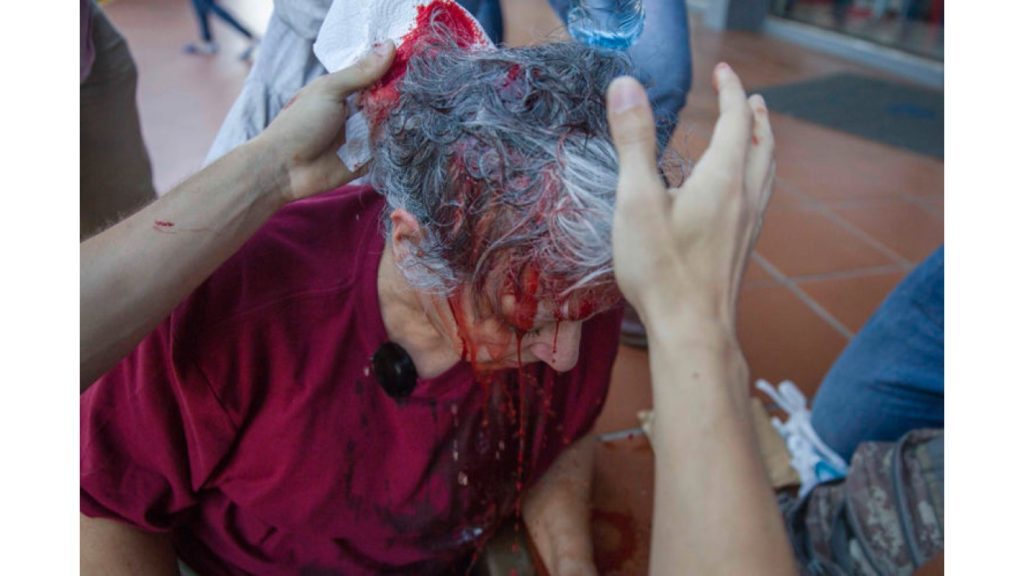
In spite of this, the Venezuelan people took to the streets to demand the military forces to join them on the call for justice and freedom. However, the Police and National Guard, who are still allied to the Maduro regime, suppressed demonstrators of several cities by running over them, by using tear gas and rubber bullets, leaving dozens of people injured.

The International Institute on Race, Equality and Human Rights (Race and Equality) strongly condemns the violence and repression carried out by Venezuelan authorities against the people who demand justice, democracy and freedom through their legitimate right to protest. We urge the Venezuelan State to put an end to the violence, to guarantee peace and the right to life, freedom of expression and opinion, as well as the personal integrity of the demonstrators who today call for democracy through the constitutional path.

We urgently call on the international community to continue speaking in the face of the serious human rights crisis that Venezuela is going through, which has left more than three million people displaced to different countries in the region, as reported by UNHCR Americas, as well as serious attacks to the fundamental rights of the people who continue to demand their freedom.

We continue demanding freedom, justice, and democracy for Nicaragua

Washington, DC, April 18, 2019 – Today marks one year since a genuine popular uprising began in Nicaragua led by young people, which has ended up changing the country’s direction in pursuit of three concrete demands: freedom for those who have been arbitrarily arrested and the reestablishment of constitutional freedoms, rights, and guarantees; justice for the victims of the repression [and] guarantees of reparations and non-repetition; and democracy for the country.

What has happened in Nicaragua

Twelve months ago, a group of mostly university students together with older people organized protests in the cities of León and Managua due to some reforms that were made to the Social Security Law without holding consultations.  The repression on April 18, 2018 against older people, youth, and journalists by government-aligned mobs and groups caused so much outrage on the part of the population that the protests expanded to several cities throughout the country.  However, the repression also escalated and began being committed with support from the police and parastatal entities utilizing weapons of war.  The first three deaths were reported on April 19.

Thus, during the first six months of the crisis, the violent State repression resulted in at least 325 people dead and another 2,000 injured, according to figures provided by the Inter-American Commission on Human Rights (IACHR), an organ that installed the most extensive in-country mission in its history: from July through December, the Special Monitoring Mechanism for Nicaragua (MESENI) and the Interdisciplinary Group of Independent Experts (GIEI) recorded the incidents of violence and accompanied the victims until the government decided to shutter the former’s mission and not extend the latter’s mandate, as well as pressure it to immediately leave the country.

Through August, the IACHR missions worked jointly with a mission from the Office of the United Nations High Commissioner for Human Rights (OHCHR), which was itself thrown out of the country after presenting a report in which it confirmed that the State had abused its authority and caused extrajudicial executions, forced disappearances, arbitrary detentions, torture, and sexual violence.  The GIEI labeled those same incidents as crimes against humanity.

Fearing deadly violence, possible torture, or arrest, thousands of people fled the country: it is estimated that between 40,000 and 60,000 Nicaraguans went into exile in Costa Rica alone.

In the second six months of the crisis, the repression was selective.  The authorities arrested more than 700 people and hundreds of them were tried for crimes such as terrorism, assassination, robbery, [and] disrupting public order, simply for having participated in the protests.  That was followed by a ban against demonstrations of any kind by citizens in the opposition; the shuttering and confiscation of independent media and forced exile of tens of journalists in the face of imminent arrest; persecution and harassment of Nicaraguan human rights defenders and deportation of nationalized defenders; and arbitrary cancelation of the legal status of non-governmental organizations dedicated to protecting human [and] environmental rights or performing research.

In February of this year, a new attempt at establishing a dialogue has opened the way to a possible peaceful resolution to the crisis; however, while the government has committed to freeing all political prisoners, canceling the judicial proceedings against them, and respecting the citizen rights and guarantees that were revoked a year ago, these commitments have not been respected and the police continue to prohibit peaceful protests and maintain an intimidatory presence on the streets.

What do the Nicaraguan defenders have to say about this?

“It has been a year of pain, outrage, and impotence, a year in which the harshest and most depraved repression in our history has been unleashed,” note the defenders from the Centro Nicaragüense de Derechos Humanos [Nicaraguan Human Rights Center] (CENIDH).

Notwithstanding, they affirm that the crisis “has revealed the unflagging capacity of the Nicaraguan people to persist in its demand for justice,” as well as its high capacity for organization, “despite all of the victims, assaults, and latent threat of being assaulted by the National Police, paramilitaries, and shock troops.”

The Centro por la Justicia y Derechos Humanos de la Costa Atlántica de Nicaragua [Center for Justice and Human Rights of the Atlantic Coast of Nicaragua] (CEJUDHCAN) also highlights that human rights violations continue in the country, and despite the fact that the agreements in the current negotiations have not been upheld by the government, the Center continues to believe that dialogue is necessary and urgent because the crisis in the country is unsustainable.

CEJUDHCAN believes that another issue that has not been included in the negotiations is justice for the indigenous peoples and Afro-descendants with regard to the violations of the indigenous peoples’ right to self-determination, lack of guarantees for indigenous people’s communal property, [and] vulnerability of defenders [and] indigenous community and territorial leaders, among others.

The Asociación Diversidad Sexual Nicaragüense [Nicaraguan Sexual Diversity Association] (ADISNIC) believes three issues of the utmost importance that should be prioritized in the current negotiations are “the return of international human rights bodies; restoration of legal status to civil society organizations who had it canceled; and a cessation of the persecution of defenders and activists.”

In order to comply with these agreements, the human rights organizations agree that it is necessary to be accompanied by international human rights organs such as the IACHR and OHCHR in order for the agreements established by the parties to materialize and inter-sectoral commissions to be created that include civil society, the government, and social movements that act as internal auditors regarding compliance of said agreements.

Nevertheless, CENIDH believes that “as long as there is no political will to guarantee and respect human rights, all of the demands of the Nicaraguan people will remain unsatisfied.”

The organizations recommend that the international community should support Nicaragua in the following ways: continue expounding upon, denouncing, and calling for a cessation of the repression within the framework of regional and international human rights legislation; act as an indispensable bridge in the search for a peaceful solution that guarantees compliance with the accords; continue the conversations in diverse international fora so as to generate greater commitments from other international actors; constantly follow and monitor the state of indigenous peoples’ human rights in Nicaragua; [and carry out] actions to support and monitor the situation of Nicaraguans who have been displaced to other countries, especially countries in the Central American region.

Other ways in which they can show support if the negotiations do not produce the expected results are to promote the application of the Inter-American Democratic Charter in the face of the lack of human rights guarantees and impacts on Nicaraguan democracy; activate extraordinary political and financial pressure mechanisms to confront the human rights crisis (including on the Caribbean Northern Coast of Nicaragua) that has yet to be declared by the national government; and [perform] actions to support and finance civil society organizations in the face of the closure of spaces and imposition of administrative and financial obstacles, so as to guarantee their work in defense of human rights.

Our stance

On this day, Race & Equality adds its voice to the cries for freedom, justice, and democracy for the Nicaraguan people.  We join the urgent call that broad sectors of the national and international communities have repeatedly issued to the State of Nicaragua to commit itself to the efforts undertaken by many sectors of society to reestablish peace and the rule of law that have been weakened since Daniel Ortega returned to power in 2007.

It is our desire that the solution to this conflict that has inflicted so much pain and financial loss on the Nicaraguan people be pursued through dialogue, by guaranteeing critical spaces for political participation, freedom of expression and association, and the full and effective enjoyment of the human rights enshrined in the Nicaraguan Constitution and international human rights instruments.

We call on the State of Nicaragua to have the guarantees of reparations and non-repetition serve as the emblem of the political will that is necessary to ensure that the crimes against humanity which have forever marked the history of the Nicaraguan people within the framework of this conflict do not go unpunished.  To that end, we believe the participation of the international community in the role of mediator is of the utmost importance in the negotiation spaces that have effectively been established in the country, especially in order to guarantee that the voices of the victims, exiled Nicaraguans, and historically invisible sectors are heard and taken into account as a part of the justice process that leads to the reestablishment of peace and democracy.

We urge the government of Nicaragua to establish the necessary conditions to put into practice the agreements that have already been reached by the negotiation roundtable regarding the enforceability of the rights inherent to all Nicaraguans.  To that end, we call for the release of the more than 700 political prisoners who have been arbitrarily detained and unjustly tried.  Likewise, we call for the cessation of the criminalization and harassment of political prisoners, so that their reincorporation into the life of society transpires with due guarantees of their fundamental rights, rather than under conditions of fear and persecution that threaten their integrity and life projects.

We urge the State to guarantee the legitimate right to freedom of expression, opinion, and social protest, participation mechanisms that guarantee societal equilibrium and therefore, q milieu that is favorable for democratic life.  Likewise, we demand that the social organizations, human rights defenders, independent media, and all other opinion leaders cease being victims of persecution, criminalization, and designation as “instigators of social unrest,” and are [instead] permitted to freely and fully participate in the discussion and dialogue as befits a pluralist and inclusive nation.  To that end, we urgently request that the right to freedom of association be guaranteed by restoring the legal status of independent civil society organizations that today are victims of the arbitrary decisions of the government of Daniel Ortega.

We issue a special call to the international community to continue monitoring the state of human rights in the Central American country, particularly at this time of supposed openness to dialogue and negotiation, so that truth, justice, reparations, and guarantees of non-repetition recognize the differentiated impacts the crisis has had on the lives of women, the indigenous population, Afro-descendants, and the LGBTI community, social groups that have historically and structurally been ‘invisibilized’ and marginalized and have become the target of multiple assaults within the context of the sociopolitical conflict that has yet to be resolved.

As an institution that works for the defense and recognition of human rights, Race & Equality dedicates itself to continue working to ensure that the voice of Nicaraguans is heard and effectively taken into account, and so that the crimes committed against those who gave their lives to defend freedom in Nicaragua do not go unpunished.

Remarks in Geneva: Need for International Guarantors to Ensure Respect for Human Rights in Nicaragua

Two Nicaraguan human rights defenders, a journalist, and the relative of a political prisoner discussed on April 4th in Geneva, the current state of the deterioration of human rights in their country and asked for more pressure to be exerted on the Nicaraguan government to permit international guarantors to guarantee the agreements that emerge from the negotiations between the government and civil society.

More than 40 diplomatic missions interested in knowing first-hand about the status of the crisis that began in April 2018 gathered at the event – “Rights, Reprisals, and Repression in Nicaragua” – hosted by the missions of the United States, Argentina, Brazil, Chile, and Georgia in the Palace of Nations at the UN.

As a result of violent State repression, 325 people have died and more than 2,000 have been injured, according to the Inter-American Commission on Human Rights (IACHR).  To date, at least 647 people continue imprisoned for having participated in civic protests.  In addition, media outlets have been shuttered, organizations declared illegal, and more than 50,000 people have had to flee the country to avoid becoming victims of the violence.

The event was moderated by Roger Carstens, Deputy Assistant Secretary of State from the Bureau of Democracy, Human Rights, and Labor; speakers included Paulo Abrão, Executive Secretary of the IACHR; Vilma Núñez, President of the Nicaraguan Center for Human Rights (CENIDH, for its initials in Spanish); Aníbal Toruño, Director of Radio Darío; and Winny Sobalvarro of the Committee in Favor of the Release of Political Prisoners in Nicaragua.

Carstens maintained that it is essential that “all prisoners who were detained for peacefully participating in opposition protests must be released; we want accountability for any crime committed against those prisoners and against all Nicaraguans during the last year,” and he went on to note that “the respect for human rights must be reinstated” in Nicaragua.

Abrão declared that without the presence of international guarantors, the relatives of the victims will not have any assurances that there will be compliance with the agreements assumed by the government: “They will have no assurance that exiles will be able to return to their country without fear and without reprisals, that the process of freeing political prisoners will follow correct protocols, that human rights organizations that were shuttered in the country will have their legal status reinstituted, and that freedom of the press will be restored along with the return of the assets of independent media and radio and television stations that were closed.”

Nor, according to Abrão, will it be possible to guarantee that “the electoral system will be able to produce new elections in the future that can be considered legitimate and that the country’s justice system will be in a position to fulfill and respond to the victims’ demand for the correct sanctions on those responsible for these grave human rights violations.”

Vilma Núñez, for her part, maintained that it has been vital for the human rights defenders and the citizenry in general to have the support of the international community, both in terms of the work of the international human rights protection mechanisms, as well as various countries’ commitment to democracy and human rights.

The Permanent Representative of Argentina to the UN Human Rights Council, Carlos Foradori, recalled that last March the delegations of Brazil, Canada, Costa Rica, Chile, Colombia, Ecuador, Peru, Paraguay, and Argentina presented Resolution L8, “Protection and Promotion of Human Rights in Nicaragua,” which was approved by the Council; its objectives are to include the state of human rights in that country on the international agenda and encourage the High Commissioner for Human Rights, Michelle Bachelet, to periodically present information on Nicaragua to the Council.

“Our countries continue to monitor the sponsors so as to ensure a dialogue process in Nicaragua.  We believe that an inclusive and meaningful dialogue is the best way to make progress in guaranteeing a peaceful solution to the situation,” added Foradori.

Join Our Efforts

Help empower individuals and communities to achieve structural changes in Latin America.