Leaders of Latin America and the Caribbean at the 49th General Assembly of the OAS: “We are facing a grave situation of human rights violations””

Leaders of Latin America and the Caribbean at the 49th General Assembly of the OAS: “We are facing a grave situation of human rights violations””

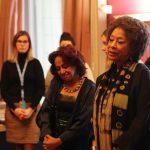
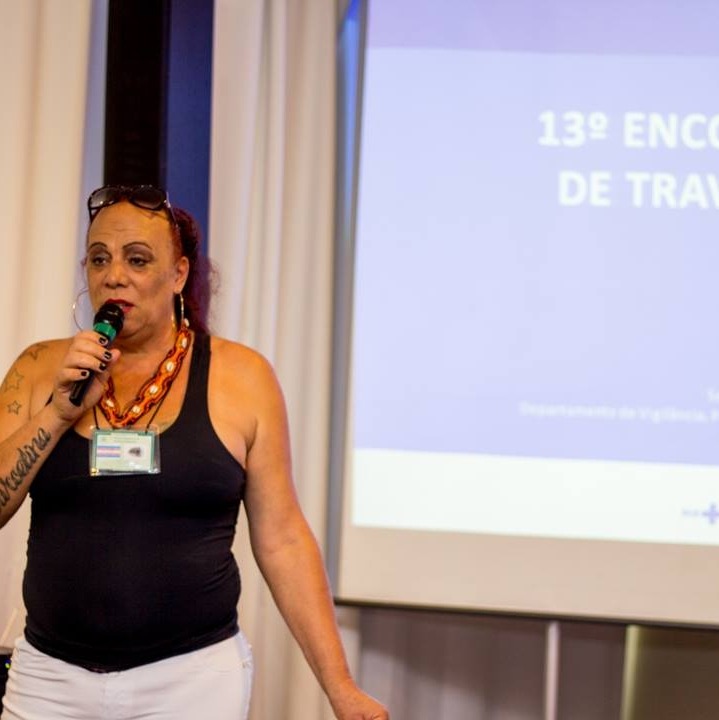
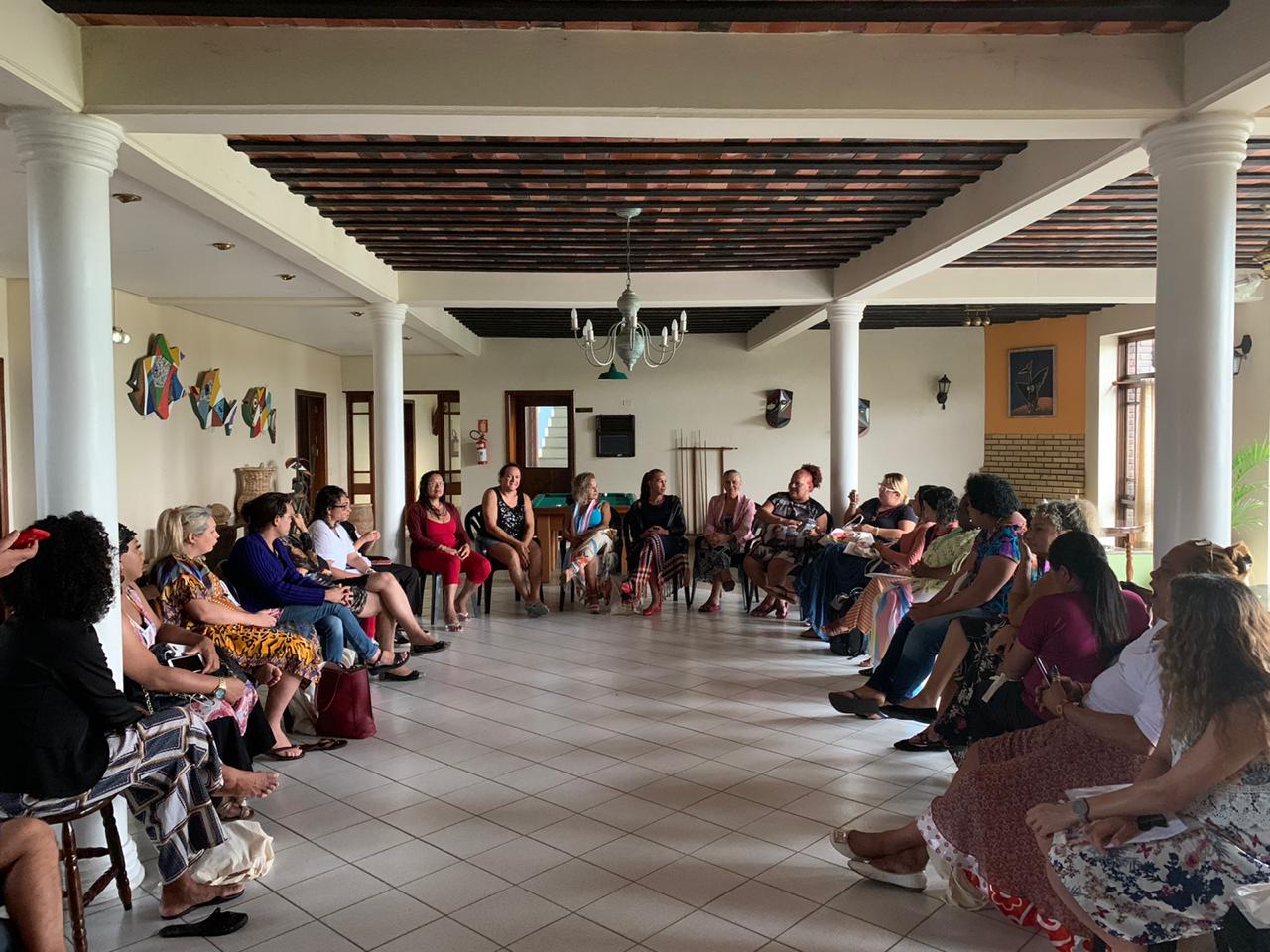
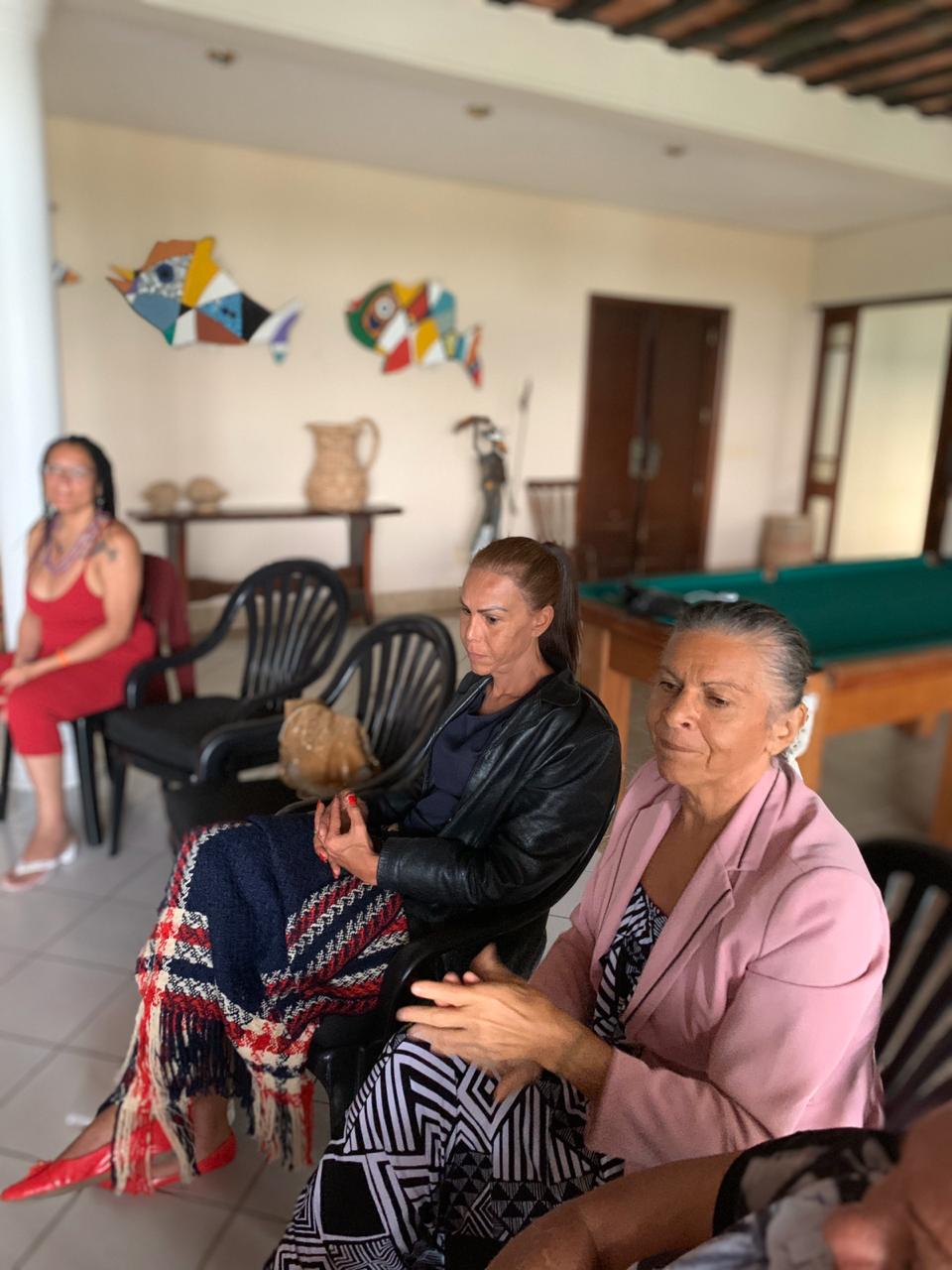
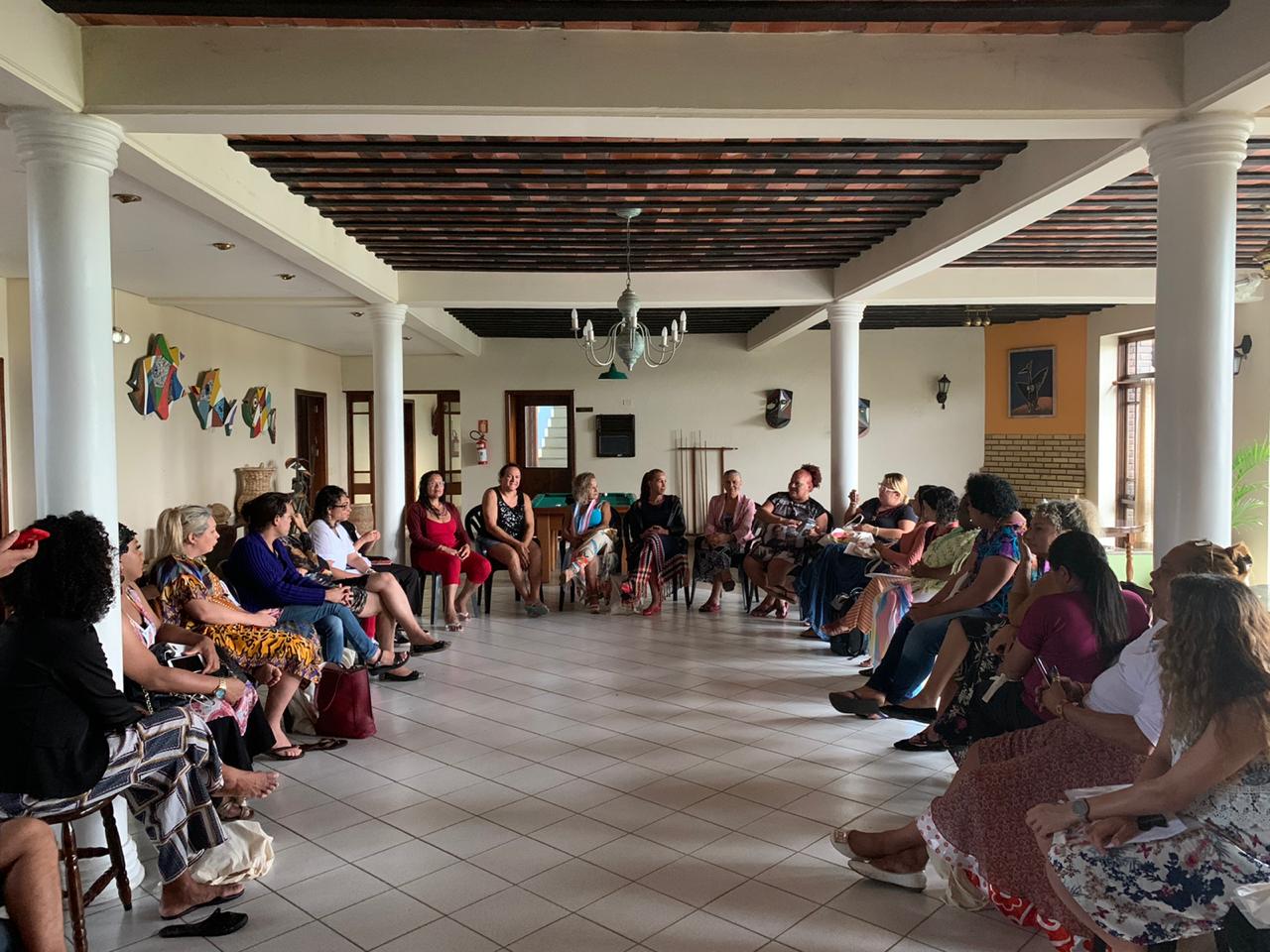
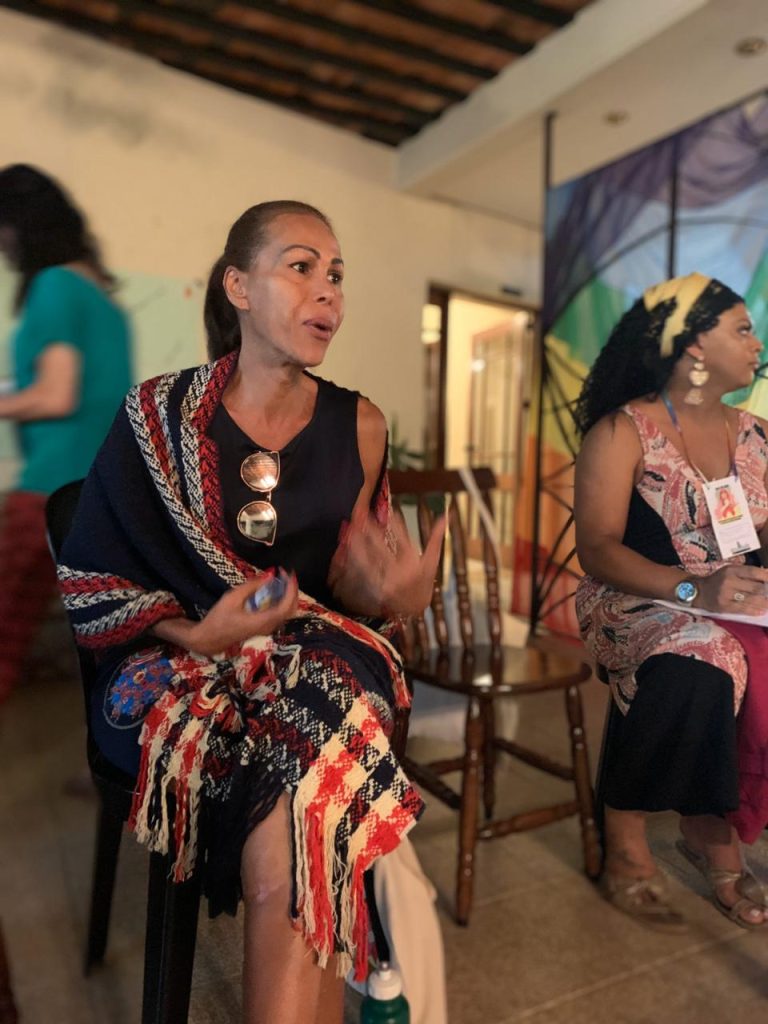
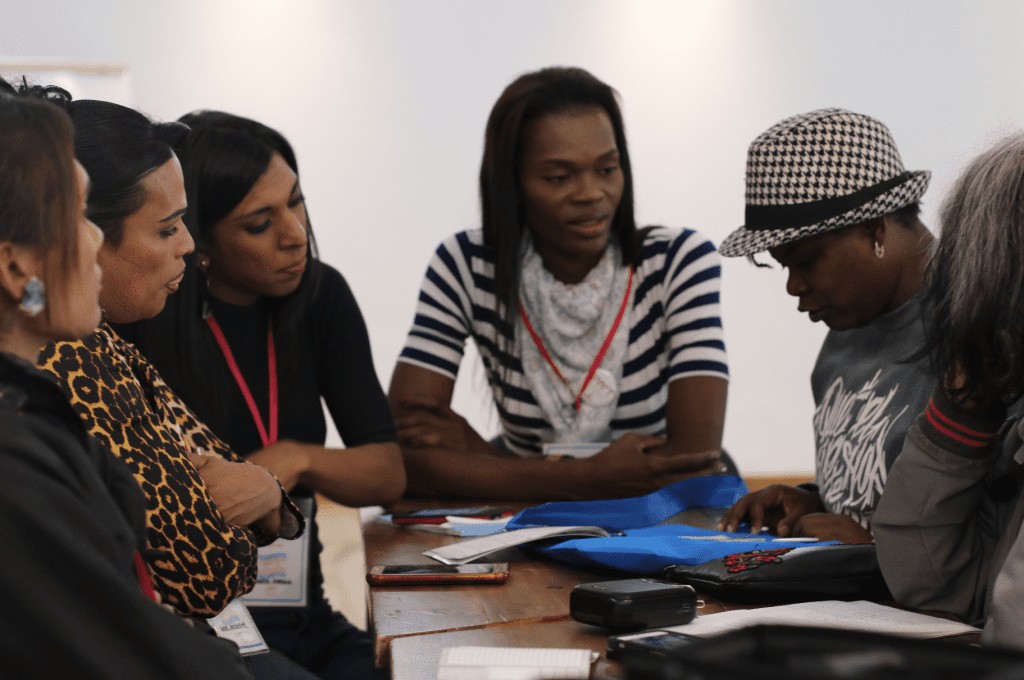
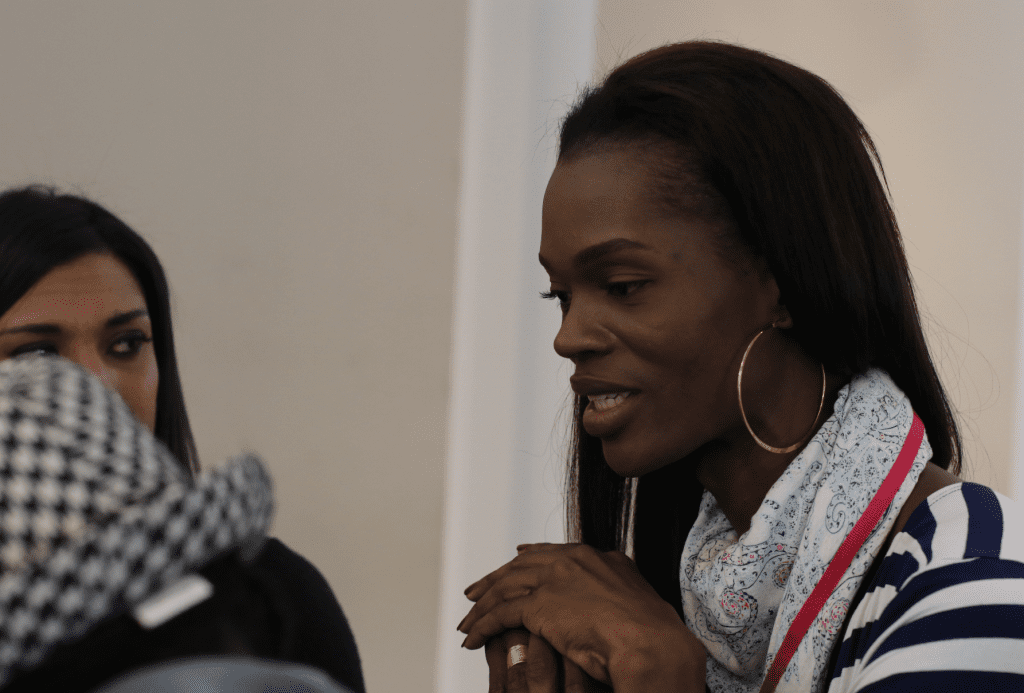
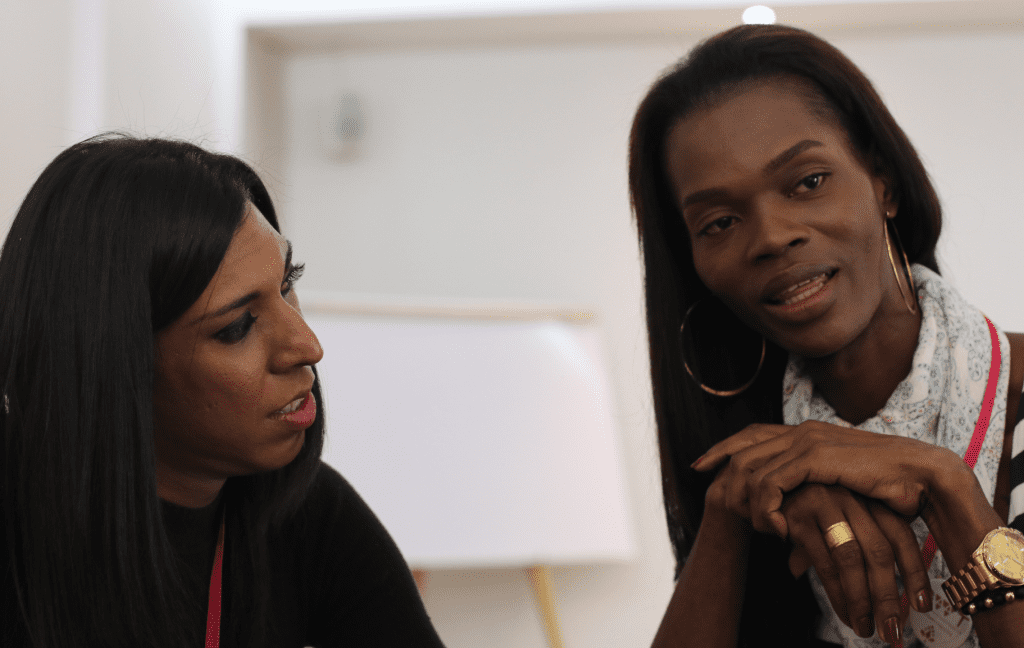
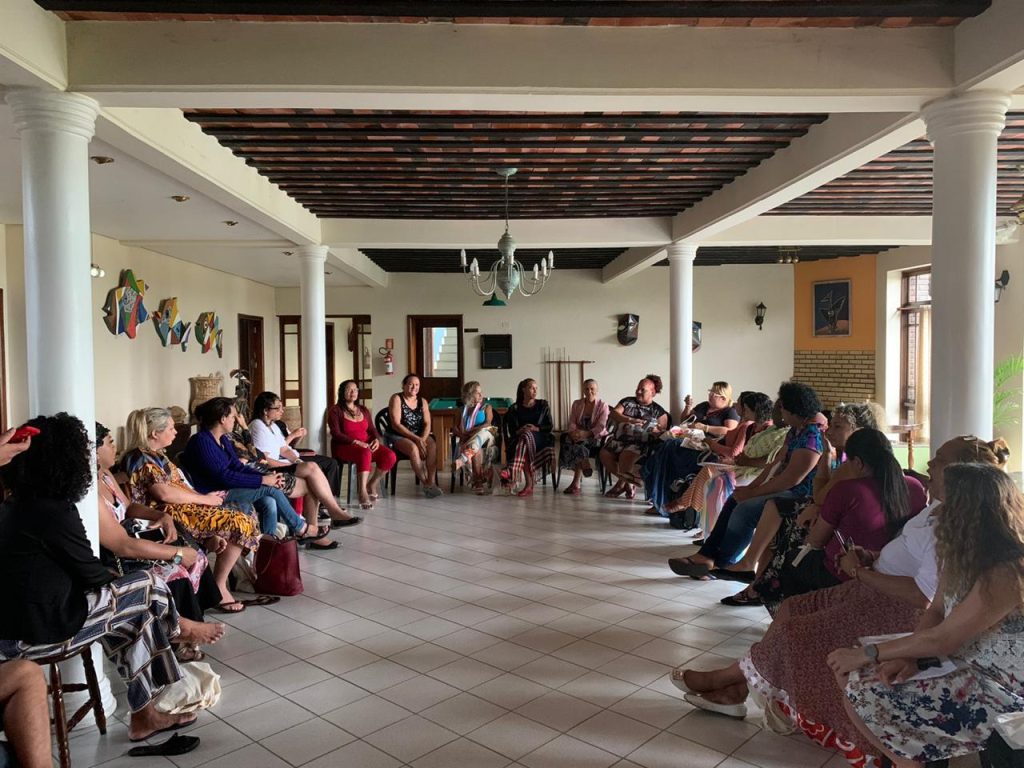
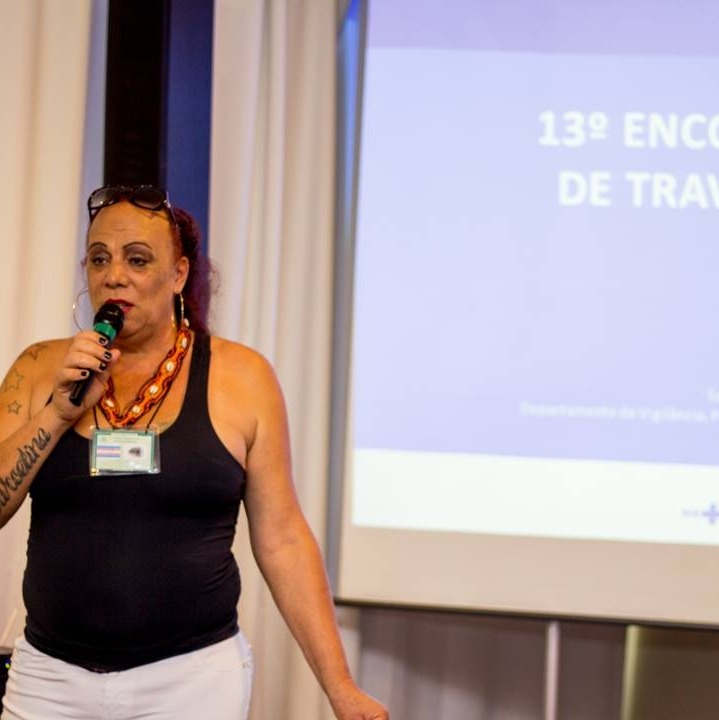
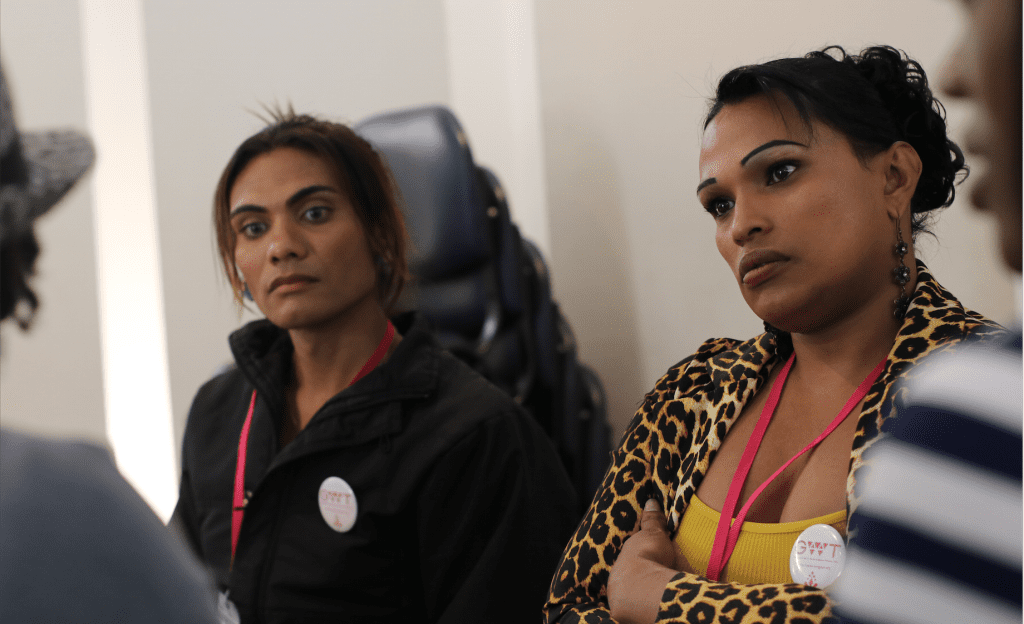
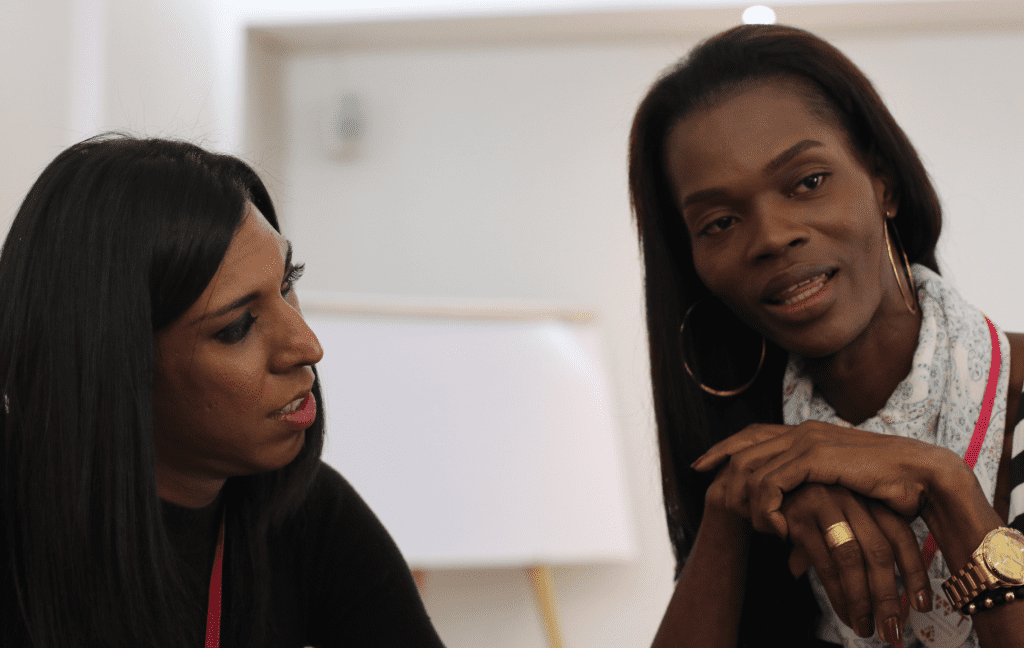
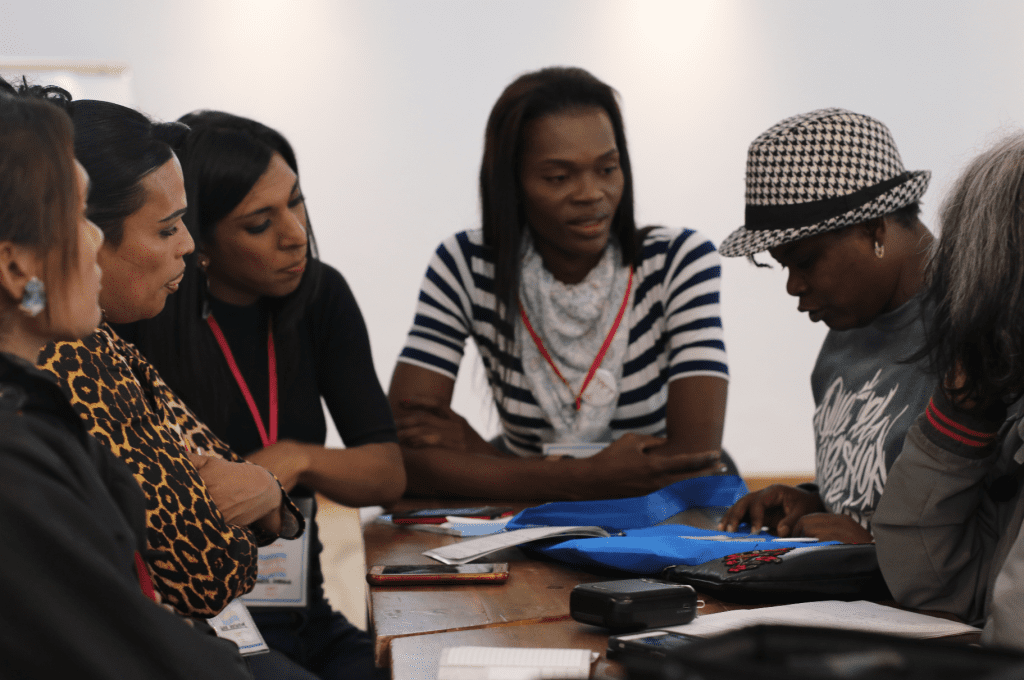
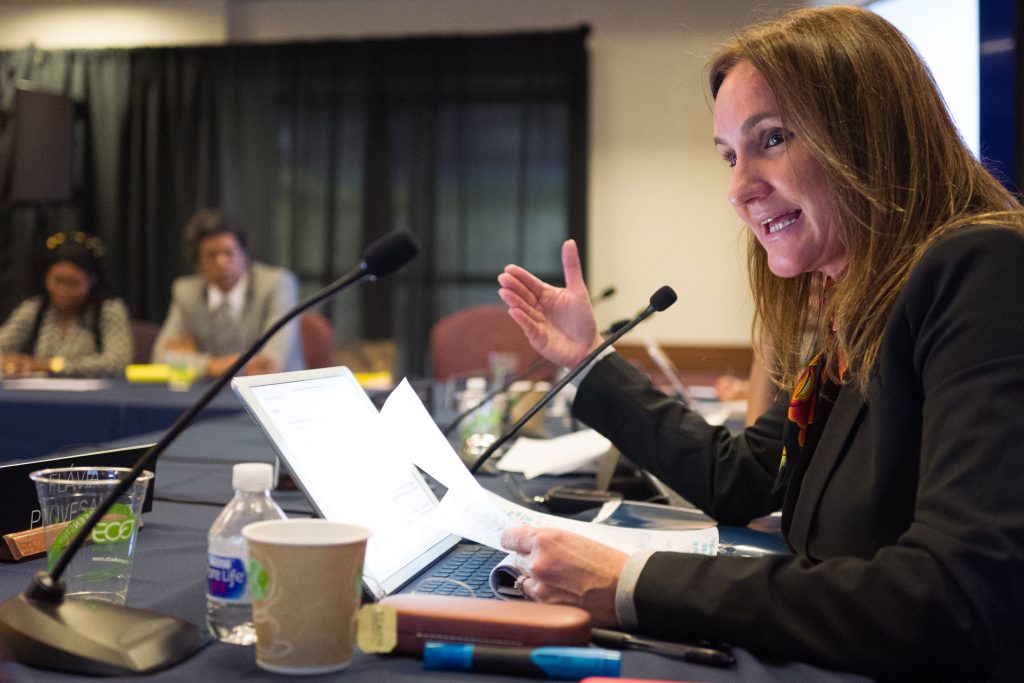
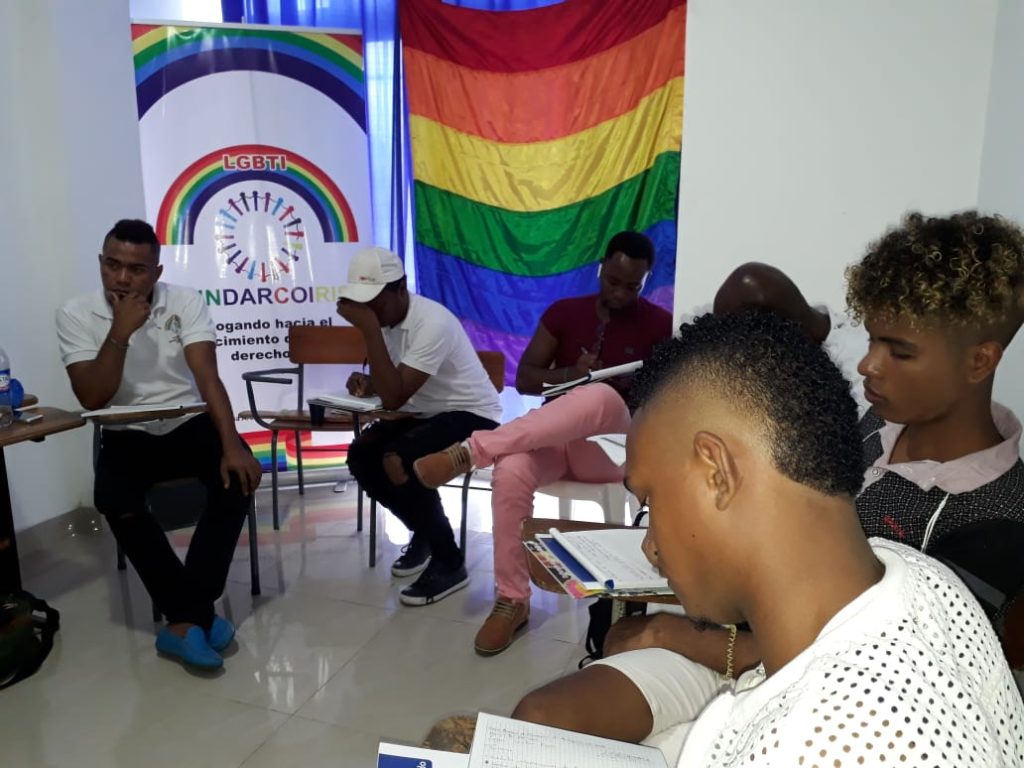
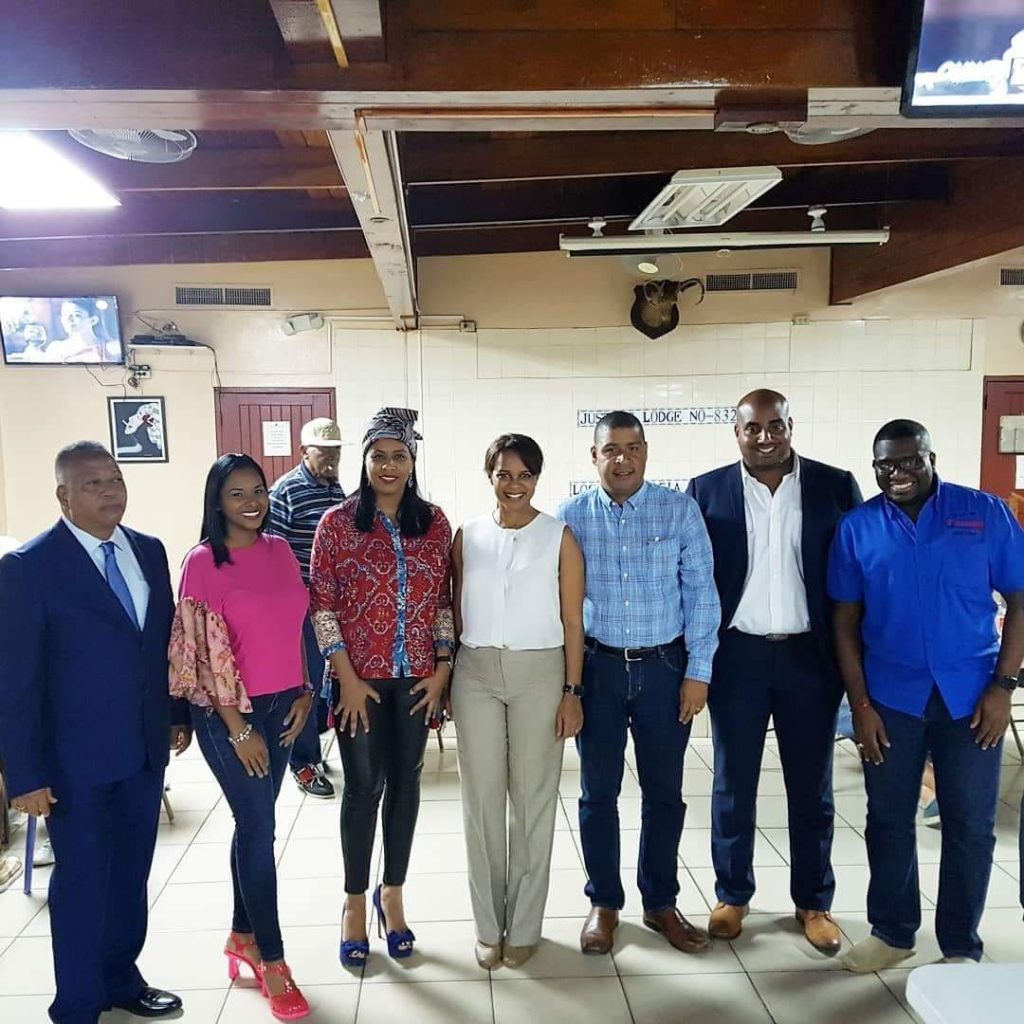
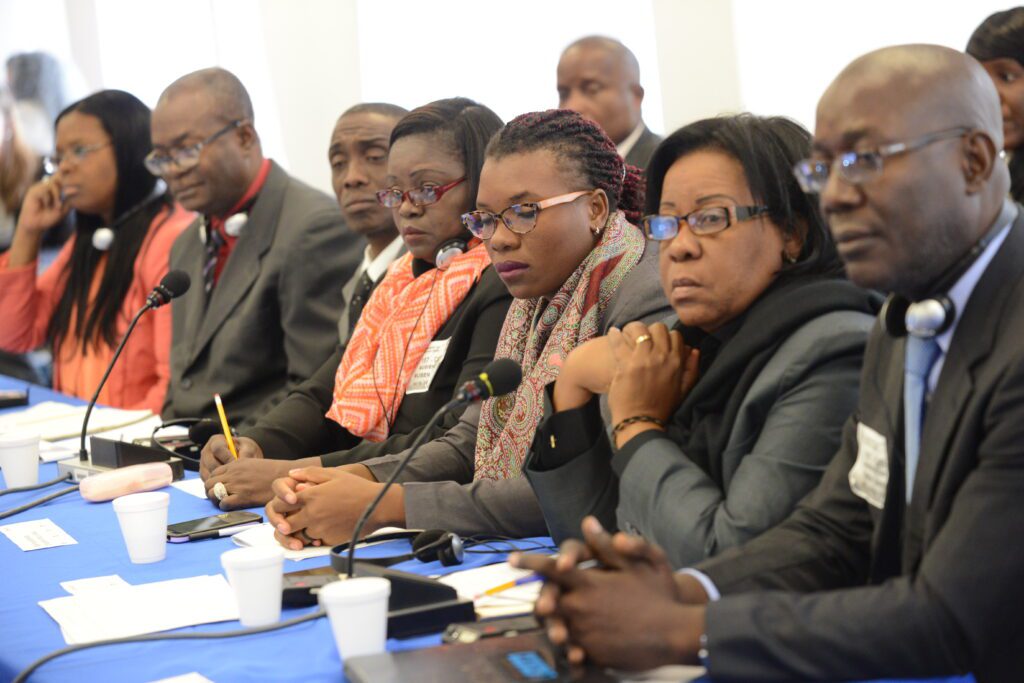
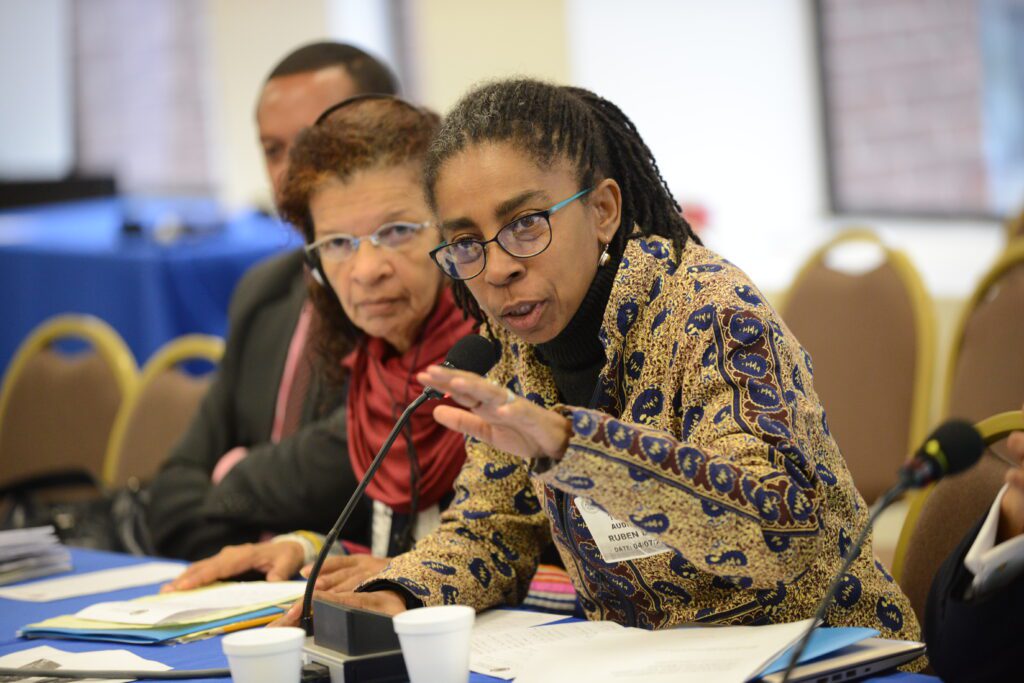
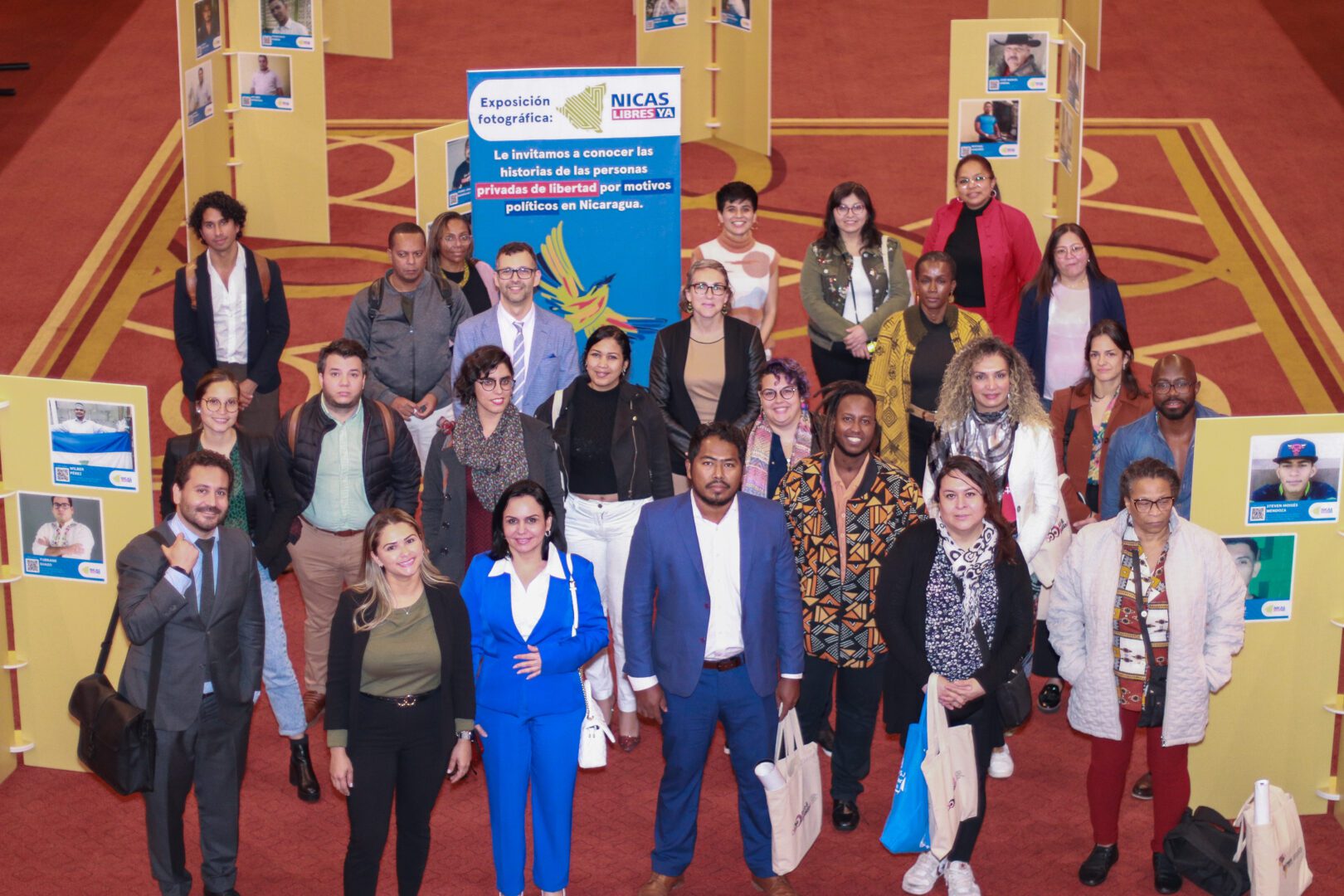
Over the course of the 49th General Assembly of the Organization of American States (OAS), held in Medellín, Colombia from June 25-28, the International Institute on Race, Equality and Human Rights (Race and Equality) held various events, particularly with participation by human rights, Afro-descendent, and LGBTI leaders from Colombia, Cuba, Ecuador, Paraguay, Brazil, Nicaragua, Mexico, Bolivia, and the Dominican Republic.

These meeting and discussion spaces sought to reflect upon and study the social and political conditions facing human rights in Latin America. These conditions currently have a particular effect upon historically marginalized and invisible populations such as Afro-descendants and LGBTI persons, as do violations of fundamental rights through persecution and harassment by different governments in the region against rights defenders.

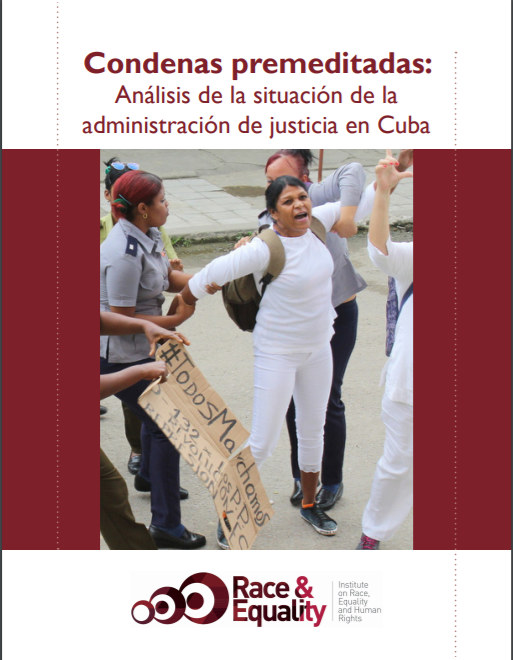
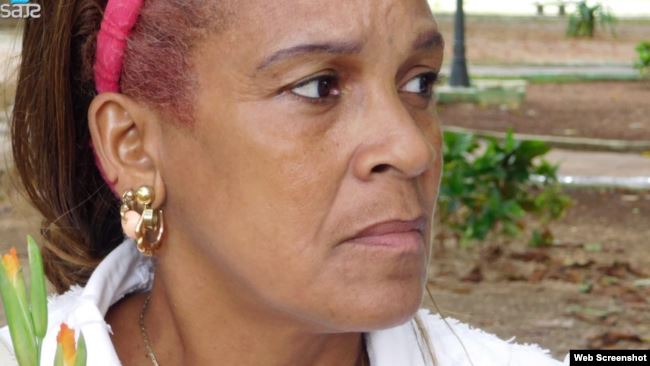
We reiterate our condemnation of the absence of Cuban activists who were denied exit from the country by migration authorities, this being a strategy of coercion and repression by the Cuban state to prevent civil society leaders from publicizing the human rights situation on the island.

I am text block. Click edit button to change this text. Lorem ipsum dolor sit amet, consectetur adipiscing elit. Ut elit tellus, luctus nec ullamcorper mattis, pulvinar dapibus leo.

[/vc_row]

The Inter-American Form Against Discrimination was held on June 25. Afro-descendant and LGBTI activists from Latin America took part alongside the re-elected Commissioner Margarette May Macaulay, Rapporteur on the Rights of Persons of African Descent and Against Racial Discrimination and Rapporteur on the Rights of Women at the Interamerican Commission on Human Rights.

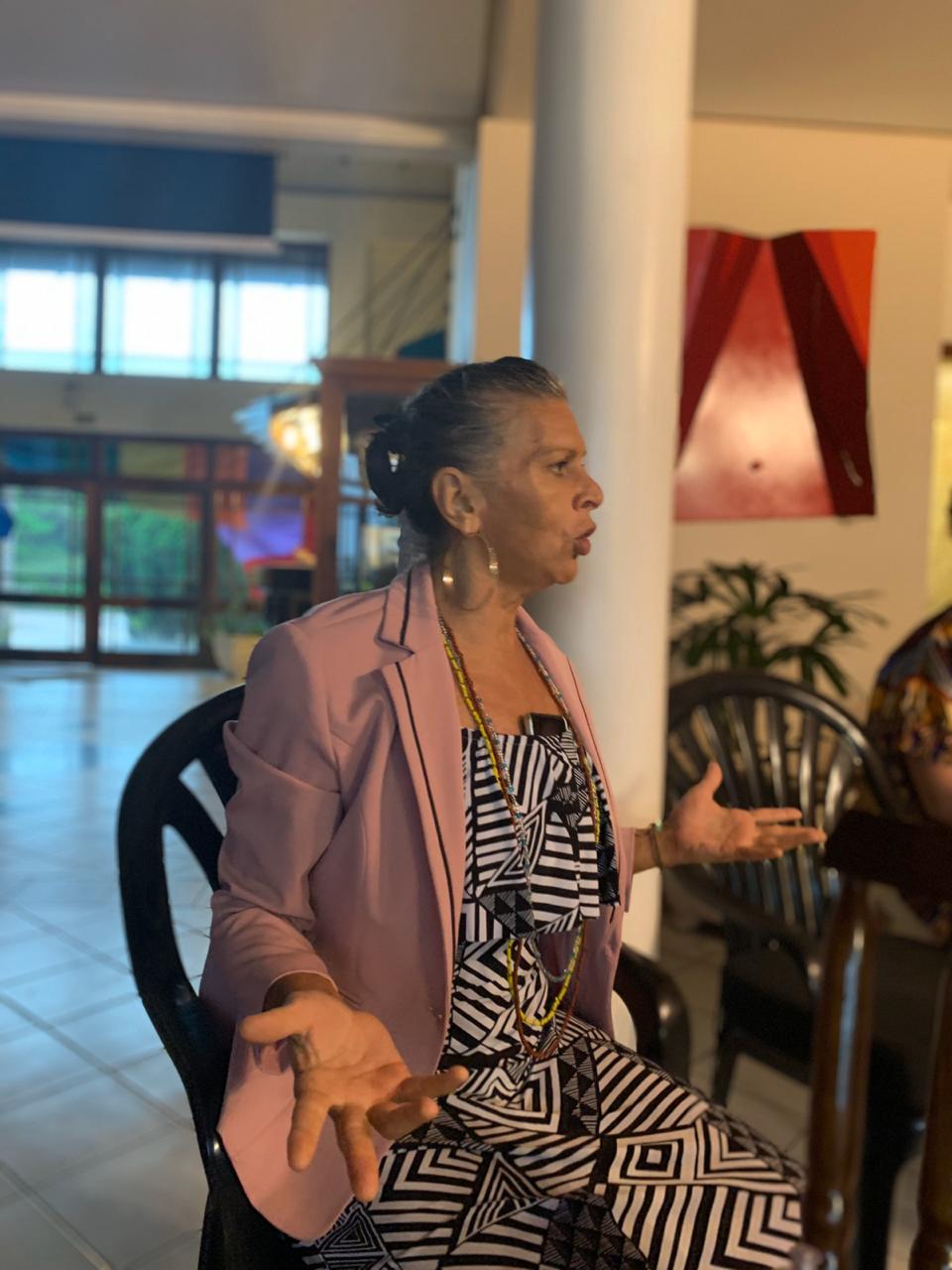
During their dialogue, activists described the social and political situation with regards to human rights in the region. The president of the Network of Afro-Latina, Afro-Caribbean, and Diaspora Women emphasized the need for women across the region to raise their voices to be heard, speak out, and participate as subjects of human rights. Likewise, the Brazilian activist Rodei Jericó de Géledes expressed the great challenges faced by the Afro-Brazilian population with regards to guarantees and recognition of their rights, especially Afro-Brazilians with diverse expressions of gender and sex, who suffer the highest percentage of homicides worldwide, with Afro-LGBTI people being the most frequent victims.

In a similar vein, the Colombian LGBTI rights activist and director of Caribe Afirmativo Wilson Castañeda indicated that although the Colombian peace process is unique in the world today by virtue of its reaffirmation of the rights of LGBTI conflict victims, Colombian LGBTI persons continue to be crushed by violence and hate crimes, fueled by hateful public discourses and state indifference to the victims. Castañeda told the audience that “peace is costing us our lives.” This dark side of the Colombian peace process includes the announcement by INDEPAZ that 837 social leaders have been killed, with 17 new alleged cases coming recently.

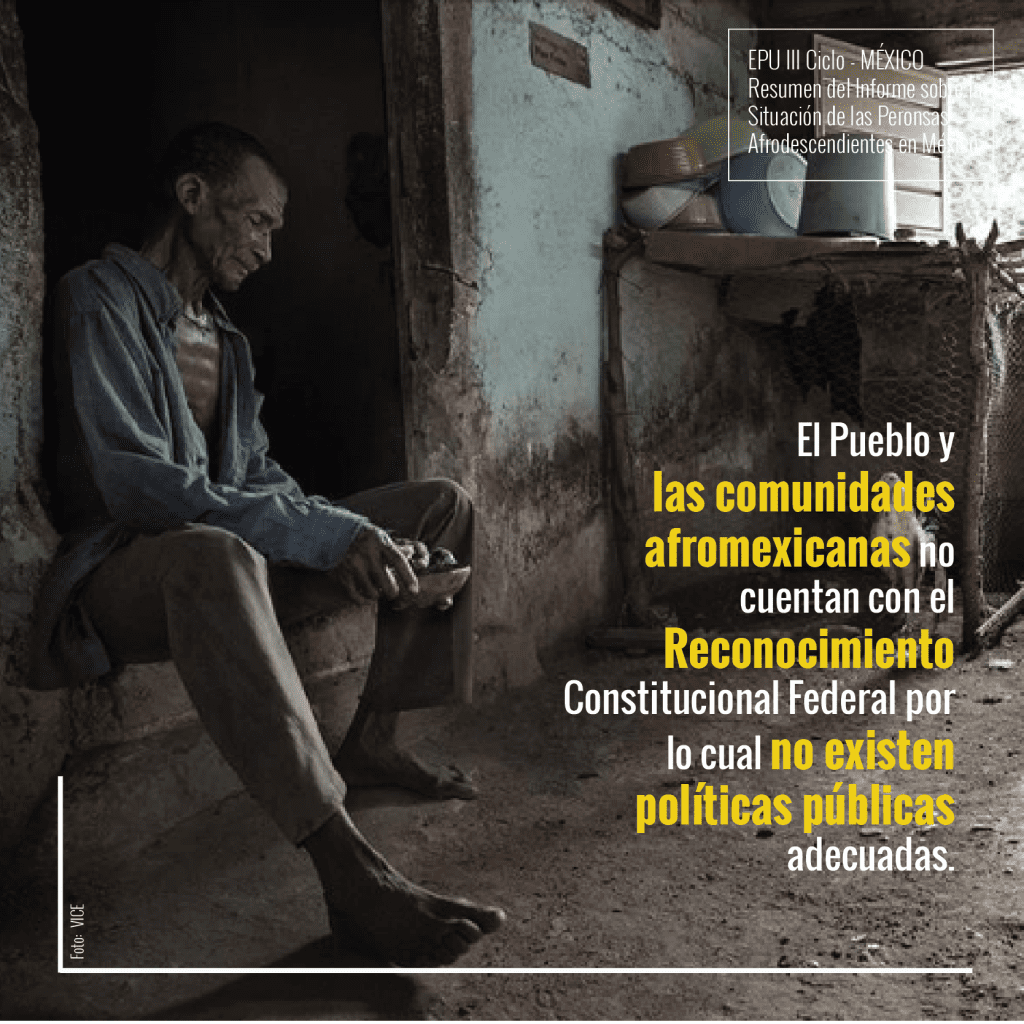
Commissioner Macaulay shared with the audience the importance of the Inter-American Convention Against Racism, Racial Discrimination, and Related Intolerance, making clear that the Commission has found that Afro-descendants in the Americas suffer from structural discrimination affecting all social rights to which they are entitled.

The representative of the National Conference of Afro-Colombian organizations, Hader Viveros, stated that Afro-descendants continue to be seen as objects rather than subjects, and thus continue to be victims of discrimination and non-recognition of their true needs. María Martínez de Moschta presented evidence to this point, signaling that over 117,000 people remain stateless in the Dominican Republic thanks to state decisions motivated by senseless racism.

Finally, Christian King, director of the organization Trans Siempre Amigas (TRANSA) in the Domincan Republic, and Cecilia Ramírez, director of the Black Peruvian Women’s Development Center (CEDEMUNEP), shared with the participants the importance of being present in international legal bodies such as the OAS General Assembly, highlighting the possibility of using these spaces to bring civil society demands to the fore and to make Latin American social movements’ social and political agendas visible in the struggle for human rights.

Read here the statement of the Afro-Descendant coalition at the OAS General Assembly.

49ª OAS General Assembly

The statement of the Afro-Descendant coalition was represented by Erlendy Cuero Bravo afro colombian activist of the National Association of Afro-Colombians Displaced (Asociación Nacional de Afrocolombianos Desplazados – AFRODES).

Discussion: “The Implementation of the Peace Accords: Social Innovation and Development in Afro-Colombian Territories”

Afro-Colombian leaders held the discussion “The Implementation of the Peace Accords: Social Innovation and Development in Afro-Colombian Territories” on June 25 during the General Assembly. Costa Rican Vice-president Epsy Campbell, Angela Salazar of the Colombian Truth Commission, and Margarette May Macaulay of the Interamerican Commission on Human Rights also participated.

Leading the discussion, Vice-president Campbell called upon leaders to continue struggling, building, and working for peace despite being faced with Colombia’s “labor pains” as the social and political conflict drags on. Commissioner Salazar stated that the role of the Afro-descendant population in the implementation process is challenged mostly by the lack of recognition for Black history and experiences in Colombia.

The conversation, which centered upon the systematic killing of social leaders, brought up the deaths of over 400 activists according to the national Ombudsman’s office. Recalling the recent case of María del Pilar Hurtado, all those present condemned this trend.

Audes Jiménez, Afro-Colombian leader and representative of the Network of Afro-Latina, Afro-Caribbean, and Diaspora Women, said, “While President Iván Duque is occupied with the immigration of Venezuelans into Colombia and his migration policies, a genocide against social leaders is underway in Colombia, and this must be in he attention of the General Assembly.” She added that in the Caribbean coastal region, killings, attacks, and persecution continue, especially against ethnic groups defending their land and territorial rights.

Francia Márquez, another Afro-Colombian leader, stated that Afro-Colombian people feel abandoned and ignored by the state, allowing Black, indigenous, and campesino communities in the country to be wiped out by violence as they work tirelessly to care for the Earth. “Peace requires us to think of alternative development“. In the name of ‘development,’ we are being killed, threatened, and treated as a military threat,” she said. 

It was also clear that structural racism causes women to continue being killed and victimized: “we are furious because we are speaking about peace into an empty discourse, peace has still not arrived to our territories, and we have been the ones suffering deaths,” she added.

Nixón Ortíz, LGBTI activist and director of the Arco Irís Afro-Colombian Foundation of Tumaco, remarked that the lack of commitment from the Colombian state to implement the Peace Accords has led to foci of violence in Afro-descendent territories, which remain unprotected and unattended. “We want to say that we have been resisting with our bodies, songs, and dances. Our weapons are our traditions. But the lack of governance in the territories puts whole populations at risk,” he added.

Finally, Father Emigdio Custa Pino, Secretary General of the Nacional Conference of Afro-Colombian Organizations (CNOA), invited the audience to continue struggling, building, and resisting despite the deaths of leaders, to assume the responsibility of those no longer present, both for those present and those who are to come.

Discussion: “Where is Nicaragua Heading? Challenges to Human Rights in the Context of Crisis”

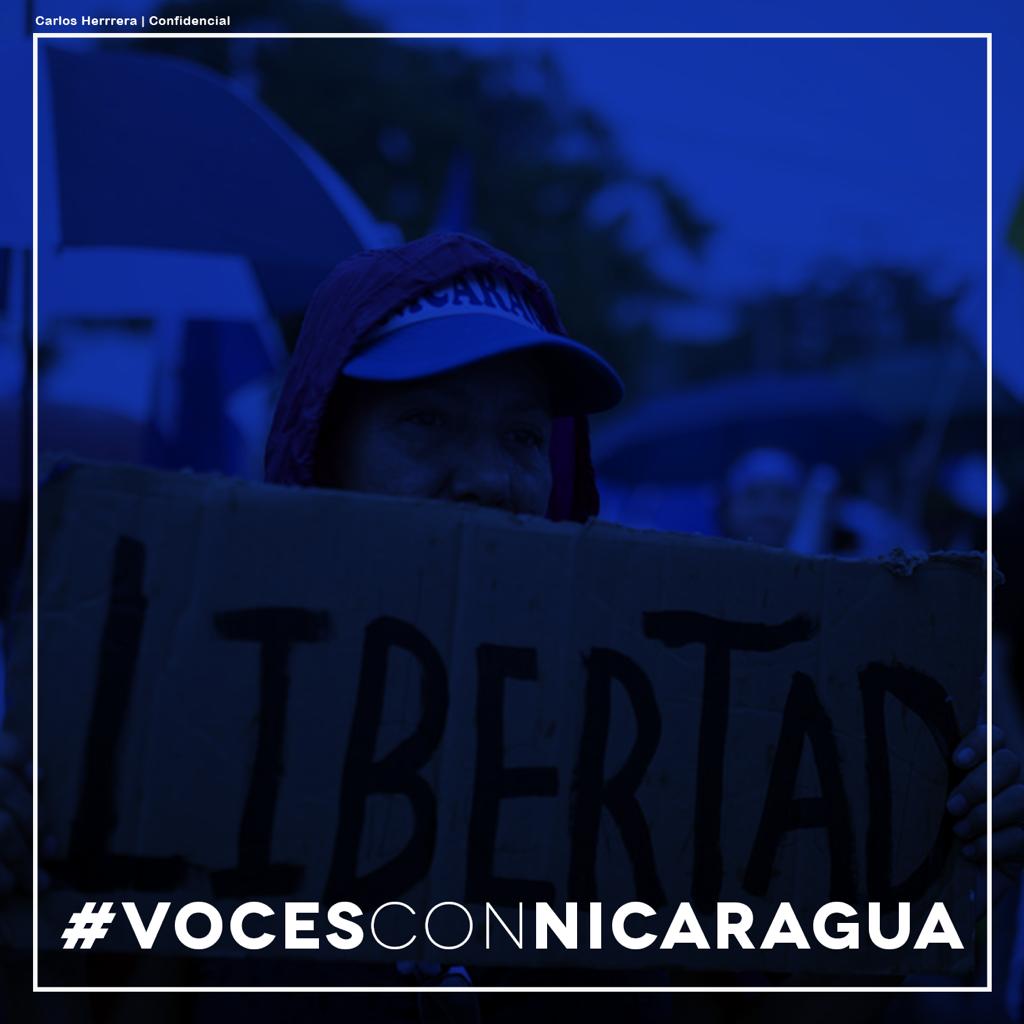
A Nicaraguan delegation traveled to Medellín to participate in the General Assembly and interact with the diplomatic missions in attendance. These civil society members, human rights defenders, and ex-political prisoners participated in the event “Where is Nicaragua Heading? Challenges to Human Rights in the Context of Crisis,” organized by Race and Equality alongside CEJIL.

The opening remarks went to the Vice-president of Costa Rica, Epsy Campbell, while the panel consisted of Marlin Sierra, executive director of the Nicaraguan Center for Human Rights (CENIDH), Azahalea Solís, member of the Civic Alliance for Justice and Democracy, Lucía Pineda, head of 100% Noticias news and former political prisoner, Roberto Desogus, Nicaraguan lead for the Office of the UN High Commissioner for Human Rights, and Sofía Macher, member of the Interdisciplinary Group of Independent Experts on Nicaragua.
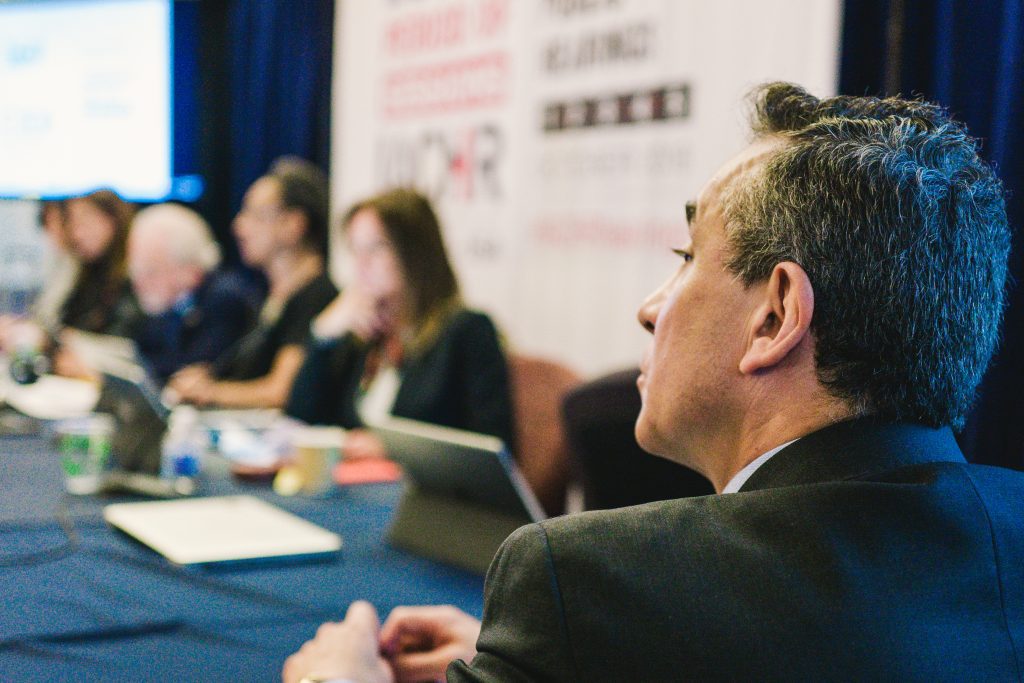
During the event, which went on for over two hours, the first three panelists described their experiences defending human rights and working in journalism in the case of Lucía Puneda, while the panelists representing international bodies described the ongoing work of monitoring from outside the country, as well as their commitment to returning once the authorities choose to authorize their missions.

The following day, Lucía Pineda participated in a breakfast with Colombian and international journalists from digital, print, and television outlets. Throughout her stay in Medellín, after having spent almost six months in prison for reporting through 100% Noticias, she was interviewed by various outlets interested in telling her story and making visible the demands of the Nicaraguan people.

The photo exhibition “Put Yourself in My Shoes” launches at the OAS

During the 49th General Assembly of the Organization of American States (OAS), human rights activists from several Latin American countries participated in the premier of a photography exhibition titled “Put Yourself in My Shoes.” The exhibit is the result of a collaboration between Race & Equality and Edgar Armando Plata, M.A. of Universidad del Norte (Colombia).

The exhibit illustrates the work of activists and rights defenders, exploring their fundamental role in defending and advancing human rights. It is on display at the Colombo Americano Institute of Medellín and will be open until August 2019.

Launch of the CIDH Report “Recognition of the Rights of LGBTI Persons” : Afro-LGBTI Perspectives from an Intersectional Lens

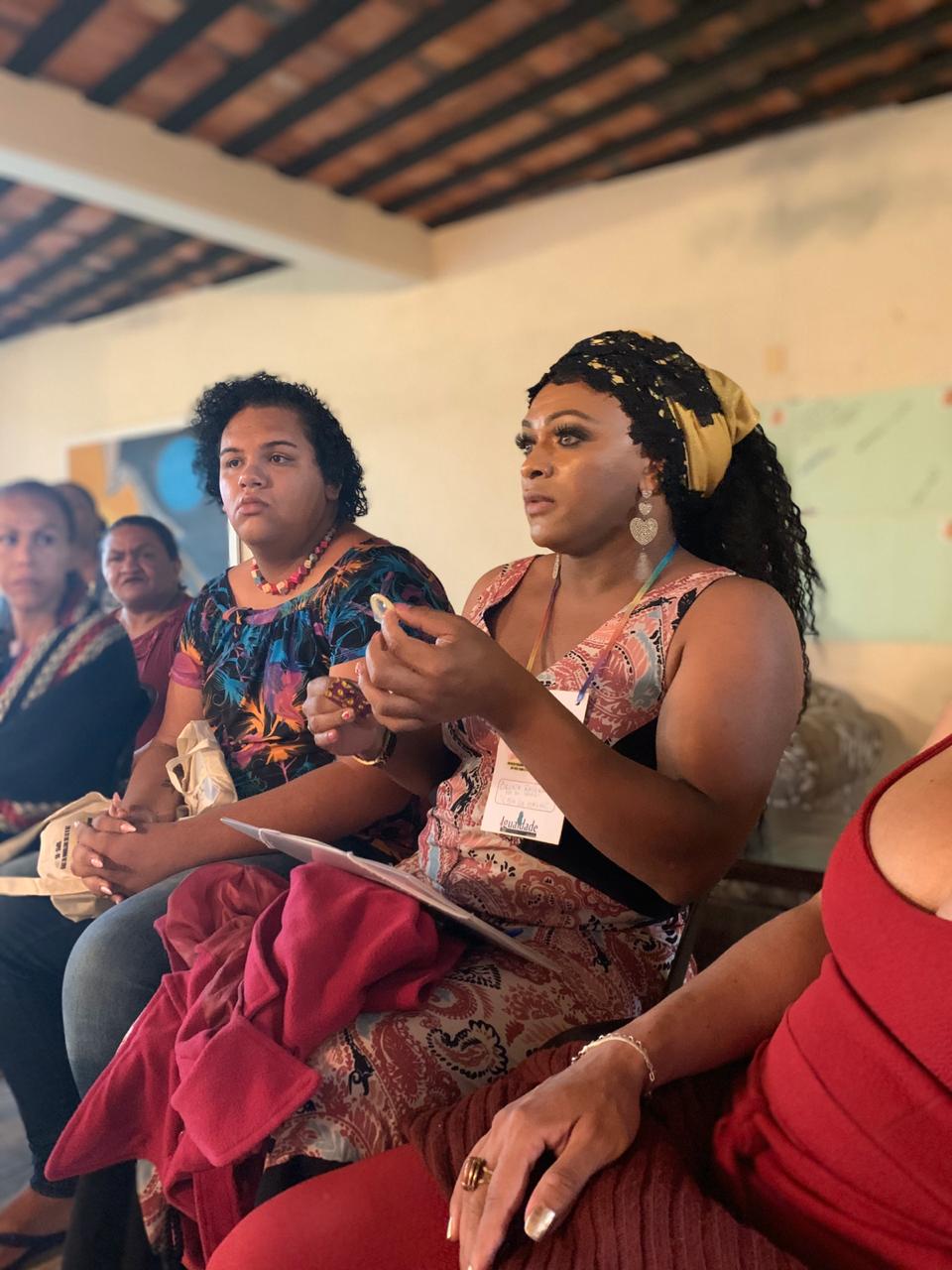
At the 49th General Assembly of the OAS, the Inter-American Commission on Human Rights (CIDH) presented its recent report “Recognition of the Rights of LGBTI Persons,” a look at the state of rights for people with diverse sexual and gender expressions. Activists from Brazil, Nicaragua, Peru, and Colombia spoke of the grave situation of vulnerability and violation of fundamental rights that LGBTI persons continue to face throughout the region. The Afro-Peruvian trans woman activist Belén Zapata stated that hate crimes and violence against LGBTI people in Peru are not criminalized, with no laws penalizing these acts despite several documented cases. “We must not continue dying and having our killers out in the streets committing other crimes,” she said regarding the killings of trans people.

The Afro-Brazilian trans leader Alessandra Ramos state that LGBTI people in Brazil are faced with a grave situation of vulnerability and rights violations, particularly because the government of Jair Bolsonaro does not recognize people with diverse sexual orientations or gender experessions. She said that Brazil is the leading country in killings of trans people, with 163 trans victims of hate-crime killings last year. Faced with this situation, she expressed “We exist in order to resist, and we resist in order to continue existing.”

Finally, the Afro-LGBTI Network of Latin American and the Caribbean made a public statement with regards to human rights impacts, violations, and structural discrimination affecting Afro-LGBTI people in the region based upon their sexuality, race, and ethnicity.

Joint Communiqué: 2019 CERD election set a milestone for gender parity

Geneva, Switzerland. 28 June 2019

On June 21st, States parties to the International Convention on the Elimination of All Forms of Racial Discrimination (ICERD) voted to renew half of the membership of the Committee (CERD). They elected 6 new experts and re-elected 3 members who were already seating in the Committee, among 14 candidates from all regions.

New members include Ms. Stamatia Stavrinaki (Greece), Mr. Eduardo Ernesto Vega Luna (Peru), Mr. Ibrahima Guisse (Senegal), Ms. Faith Dikeledi Pansy Tlakula (South Africa), Ms. Sheikha Abdulla Ali Al-Misnad (Qatar) and Mr. Mehrdad Payandeh (Germany).

They will join 3 experts whose terms as members of the CERD were coming to an end and who have been re-elected for another four-year period: Ms. Verene Shepherd (Jamaica), Ms. Yanduan Li (China), and Ms. Yemhelha mint Mohamed (Mauritania), as well as the 9 other members of the Committee, whose mandate will expire in 2022.

Minority Rights Group International (MRG), the International Institute on Race, Equality and Human Rights (Race & Equality) and the International Movement Against All Forms of Discrimination and Racism (IMADR), congratulate newly elected CERD members and those re-elected. This year’s election set an important milestone for gender parity within the Committee. With the election/re-election of 6 women, half of the Committee’s seats will be held by women from next year. It was the first time in the history of the CERD that the election led to equal representation of men and women in the Committee. We encourage States parties to continue taking into account of a good gender balance in the CERD’s membership.

On the other hand, there remains a margin of improvement regarding the equitable geographic distribution in the CERD membership. Notably, only one member of the Committee will be from Eastern Europe from 2020. We invite States parties to give a greater consideration to equitable geographic distribution in the CERD membership.

In an effort to promote a merit-based and transparent CERD election process, our three organisations circulated a questionnaire to all candidates on their background, relevant experience and vision of their work as a member of the Committee. Responses received were then posted on a dedicated website: www.untbelections.org, and shared with States parties one month ahead of the election in order to help them learn the qualifications of respective candidates and inform their decision.

Background:
The Committee on the Elimination of Racial Discrimination is composed of 18 independent experts. Members are elected for a term of 4 years by States parties from among their nationals, consideration being given to equitable geographical distribution and to representation of the different forms of civilization as well as of the principal legal systems, in accordance with article 8 of the ICERD. Elections are held every 2 years at a meeting of States parties held at the UN headquarters in New York. The newly elected members will begin their term in January 2020 and their mandates will expire in January 2024.

For further information, please contact:
Taisuke Komatsu (IMADR) at tkomatsu@imadr.org,
Glenn Payot (MRG) at Glenn.Payot@mrgmail.org,
Tania Agosti (Race & Equality) at agosti@oldrace.wp

Civil Society Organizations from Latin America and the Caribbean will participate at the 49th OAS General Assembly

Throughout the 49th General Assembly of the Organization of American States (OAS) in Medellín, Colombia from June 25-28, the International Institute on Race, Equality and Human Rights (Race and Equality), alongside a variety of organizations from Latin American and Caribbean countries including Brazil, Colombia, the Dominican Republic, Bolivia, Peru, Ecuador, and Nicaragua, will coordinate several events discussing the panorama of human rights in the region, especially among vulnerable populations and in countries currently facing violence.

All events will be broadcast live on Race and Equality’s Facebook page. There will also be extensive coverage of the events on social media, under the hashtags #AsambleaOEA and #RazaeigualdadOEA

Below please find details for each of the events that Race and Equality will host during the regional summit:

INTER-AMERICAN FORUM AGAINST DISCRIMINATION

Objective: To reflect upon and analyze the situation of Afro-descendent people in Latin America and the Caribbean in the framework of the International Decade for People of African Descent.

  • Date: Tuesday, June 25
  • Time: 8:30am – 1:00pm
  • Location: Hotel Estelar Milla de Oro (Medellín)

You can find the full program here (in Spanish only).

Opening:

Carlos Quesada – Executive Director of Race and Equality.

Panelists:
Erlendy Cuero Bravo – Vice-president AFRODES, Colombia
Paola Yánez – Regional Coordinador, Red de Mujeres Afrolatinas y Afrocaribeñas de la Diáspora
Margarette May Macaulay – IACHR Rapporteur on the Rights of Persons of African Descent and against Racial Discrimination
Christian King – Executive Director, Trans Siempre Amigas, Dominican Republic
Rodnei Jerico da Silva – Coordinador SOS Racismo, Brazil
Catherine Pognant, Director of the Office of Civil Society, Organization of American States
Juan Antonio Madrazo, National Coordinator, Comité Ciudadano por la Integración Racial, Cuba
Harvey Maradiaga, Coordinator ADISNIC, Nicaragua
Elvia Duque, representant of Race and Equality

Moderators:
Adriana Rodríguez –  Race and Equality
Cecilia Ramírez – Centro de Desarrollo de la Mujer Negra Peruana (CEDEMUNEP)

THE IMPLEMENTATION OF THE COLOMBIAN PEACE ACCORDS: SOCIAL INNOVATION AND DEVELOPMENT IN AFRO-COLOMBIAN TERRITORIES

Objective: To discuss the opportunities for meaningful and effective implementation of the peace accords in Colombia, while also identifying the causes of increased killings of Afro-descendent social leaders.

  • Date: Tuesday, June 25
  • Time: 5:00pm-7:30pm
  • Location: Hotel Estelar Milla de Oro (Medellín)

Panelists:
Ángela Salazar, Commissioner, Colombian Truth Commission
Nixon Ortiz, Fundación Arcoíris libre de Tumaco
Audes Jiménez, Red de Mujeres Afrolatinoamericanas y Afrocaribeñas y de la Diáspora (RMAAD)
Emigdio Cuesta Pino, Conferencia Nacional de Organizaciones Afrocolombianas CNOA
Melquiceded Blandon, Consejo Nacional de Paz Afrocolombiano (Conpa)

Moderators:
Elvia Duque, Race and Equality
Wilson Castañeda, Caribe Afirmativo

WHERE IS NICARAGUA HEADING? CHALLENGES TO HUMAN RIGHTS IN THE CONTEXT OF CRISIS


Objective: 
To discuss the challenges facing Nicaragua after 14 months of crisis, particularly the obstacles to guaranteeing human rights in the country, and to discuss the path to renewed dialogue between the Nicaraguan Government and the Civic Alliance for Justice and Democracy.

  • Date: Wednesday, June 26
  • Time: 6:30-8:30pm
  • Location: Hotel Estelar Milla de Oro (Medellín)

Panelists:

Roberto Desogus, Coordinator for Nicaragua on the Office of the United Nations High Commissioner for Human Rights
Antonia Urrejola, Commissioner and Rapporteur for Nicaragua, Inter-American Commission on Human Rights
Sofía Macher, member of the Interdisciplinary Group of Independent Experts (GIEI), Nicaragua
Marlin Sierra, Executive director CENIDH
Azahalea Solís, member of Alianza Cívica and representative of the MAM
Lucía Pineda, Head of Press 100% Noticias

Moderator:
Ana Bolaños,  Race and Equality

LAUNCH OF THE IACHR REPORT “RECOGNITION OF THE RIGHTS OF LGBTI PEOPLE”

Objective: For the first time in Colombia, Race and Equality will debut the results of an IACHR study published in May on the advances that American states have made the protect the rights of LGBTI people, so that other countries can advance the agenda of equality, inclusion, and non-discrimination for the LGBTI community.

  • Date: Thursday, June 27
  • Time: 6:00-8:00 pm
  • Location: Hotel Estelar Milla de Oro (Medellín)

Panelists:

Antonia Urrejola, IACHR Commisioner and Country Rapporteur for Brazil, Cuba, Jamaica, Trinidad & Tobago, and Uruguay.
Ernesto Zelayandia, Fellow IACHR Special Rapporteurship on the Rights of LGTBI Persons
Sandra Milena Arizabaleta,  Somos Identidad, Colombia
Alessandra Ramos, Transformar, Brasil
Belén Zapata,  Red de Jóvenes Afroperuanos Ashantí, Perú

Moderator: 

Mauricio Noguera, LGBTI Program Officer, Race and Equality

HUMAN RIGHTS ORGANIZATIONS URGE THE DOMINICAN REPUBLIC TO RESPECT & PROTECT THE IASHR

Santo Domingo, Dominican Republic, May 29, 2019 – The undersigned organizations express our concern regarding the State’s rejection of the Inter-American Court of Human Rights’ recent resolution with respect to the Dominican Republic, in which the Court reiterated its jurisdiction to hear cases against that State. The Inter-American Court determined that the Dominican Constitutional Tribunal decision TC-256-14, which, according to the State, would prevent the Court from making any ruling concerning the country, is invalid under international law.

On April 26, the Dominican State affirmed in a press conference that it will continue not to recognize the jurisdiction of the Inter-American Court on the basis of the TC-256-14 decision, despite the Court’s recent resolution. The current president of the Dominican Constitutional Tribunal and the former president of the Republic, Leonel Fernández, have made similar statements. It bears noting that in 1999, President Fernández himself formally accepted the jurisdiction of the Inter-American Court of Human Rights on behalf of the Dominican State. In addition, while different political actors have spoken out against the Court’s resolution, prominent legal experts have supported its conclusion, asserting that the Inter-American Court maintains its jurisdiction and that, constitutionally, its decisions are as binding as those of the Constitutional Tribunal.

As human rights organizations, we are concerned about the position expressed by representatives of the Dominican State, as it forms part of an effort by the State to limit access to justice for all people living in the Dominican Republic. It is important to point out that there are currently more than 86 cases of human rights violations with respect to the Dominican Republic before the Inter-American Commission on Human Rights (IACHR), which deal with issues such as women’s rights, political participation, the rights of persons deprived of their liberty, due process, and the right to an effective remedy before the law, among others, which could eventually be decided by the Inter-American Court of Human Rights. Given the Dominican State’s position, these victims may see their possibilities of justice and reparation seriously affected.

Over the years, both the IACHR and the Inter-American Court have been essential pillars for the defense and protection of human rights throughout the continent, and have contributed significantly to the advancement of human rights in our countries. Thus, for example, the organs of the Inter-American human rights system (IAHRS) have developed international human rights standards in the fight against corruption in countries such as Guatemala and Honduras, which have contributed to initiatives such as the International Commission Against Impunity in Guatemala (CICIG) or the Mission to Support the Fight Against Corruption and Impunity in Honduras (MACCIH). Likewise, they have been fundamental in the defense and guarantee of the rights of diverse groups such as LGBTI persons, persons deprived of their liberty, Afro-descendants and indigenous people, children, adolescents, people with disabilities, human rights defenders, and migrants, among many others.

It should be noted that, beyond the great uncertainty for the victims who already have received judgments in their favor, the position of the Dominican State with respect to the competence of the Inter-American Court limits the possibilities of all persons residing in Dominican territory to obtain redress for violations of their human rights in the absence of a solution at the national level. For them, the IAHRS may be the last hope of finding justice, truth and redress.

For all the above reasons, the signatory organizations, all of which work in the defense of human rights, urge the Dominican Republic to recognize its international obligations, legal certainty, and avoid limiting the guarantees of protection.

Download pronouncement

International Day Against Homophobia, Biphobia and Transphobia.

While commemorating the International Day Against Homophobia, Biphobia and Transphobia, we remember the unmet obligation of all countries, especially those in Latin America and the Caribbean, to support persons with diverse sexual identities and gender expressions, as well as to acknowledge and protect their rights. Respect for these rights must be the base for creating public policies and programs that create diverse, peaceful, and just societies.

Although there has been considerable progress in the recognition of LGBTI rights for people around the globe, violence that endangers the physical and moral integrity of those who express diverse sexual orientations or gender identities is still prevalent. A general lack of concern and complicity on the part of the general population perpetuates and makes it impossible to overcome structural violence against LGBTI people. In addition, the lack of access to health, education and work services of these individuals reproduces dynamics of poverty, discrimination and violence.

In Latin America and the Caribbean, acts of hate and discrimination are often based in religious beliefs or principles. These dogmas frequently restrict identity to binary gender norms that do not recognize diverse expressions, and prevent this population from asserting their rights in social and political spheres.

The Experience of LGBTI People in Latin America 

The outlook for LGBTI people in Latin America and the Caribbean for 2019 continues to be discouraging. They are facing the threat of losing advancements that were already fought for and won because of efforts of fundamentalist groups that are continuously spreading misinformation and stigma against LGBTI individuals.

Similarly, it is concerning that intolerance continues to be one of the main motives behind murders committed against LGBTI people, which are often carried out with excessive cruelty. Statistics on these crimes are mostly collected and analyzed by civil society, while States show a lack of interest in collecting this information or in adequately documenting and investigating these crimes.

Brazil, for example, is a country with one of the highest rates of murders of trans persons, according to a report presented by Brazil’s National Association of Travesties and Transsexuals (ANTRA) and the Brazilian Trans Education Institute (IBTE). The report documents that in 2018 alone, a total of 163 trans individuals were violently murdered because of their sexuality and gender expression. According to ANTRA’s president Keila Simpson, these cases occurred during an election period and were motivated by anti-LGBTI speeches given by some of the Brazilian presidential candidates. This situation continues to deeply concern civil society organizations that are working on the defense of LGBTI rights, especially in the context of the current Bolsonaro regime in Brazil. This regime has emphatically refused to denounce or even acknowledge the existence of the concerning violations of LGBTI people’s rights.

Likewise, in the Dominican Republic, the situation for LGBTI people is alarming because of the lack of public policies that promote social acceptance. Civil society organizations have reported many cases of violence against these individuals, but they are not taken into account by state institutions or mass media. According to the last annual report made by the Inter-American Commission on Human Rights, this situation results in greater discrimination against LGBTI people, who also face discrimination based on nationality, race, ethnicity, religious beliefs, gender, etc.

The Dominican State’s refusal to acknowledge the rights of LGBTI rights allows for social acceptance of violence and aggression towards these individuals. Even state authorities often do not see this violence as a problem, as described in a report published by Amnesty International and TRANSSA Trans Siempre Amigas on abuse, violence, and police harassment against trans women sex workers. These women are victims of constant acts of violence perpetuated by police agents who are motivated because of prejudices around their gender identity.

During this significant day, it is important to consider the difficulties that people with diverse sexual identities and gender expressions have in accessing justice. Particularly, laws and government programs in most of the countries of the region have partially or completely ignored the specific ways the LGBTI population’s rights are violated. State responses to these violations must be designed for the specific needs of this population. For example, according the Victims Registry (Registro Único de Víctimas – RUV), created as a part of the Colombian peace process, 3.368 victims of the armed conflict are reported and recognized as LGBTI. Most of them are reported as victims of forced displacement, threats, homicides, and crimes against sexual freedom and integrity. However, one person may have been victim of multiple crimes. Colombia must use these statistics to create programs to address the specific needs of the LGBTI population, who have been victimized in multiple ways.   

Challenges for inclusion

To decrease the poverty and marginalization experienced by LGBTI individuals, shared prosperity for all social groups must be promoted. States have a duty to work toward this, given that one of the principles of the Sustainable Development Goals (SDGs) is to “not leave anyone behind.” Additionally, the five areas for the protection of LGBTI people prioritized by the United Nations Development Program (UNDP) are: 1) economic wellness; 2) personal safety and elimination of violence; 3) education; 4) healthcare; and 5) political and civic participation.

There are still many challenges in the region for protecting the rights of LGBTI people. One of these challenges is the lack of data about the LGBTI population and their needs. If States have no information on LGBTI people, they cannot design programs that will have the needed impact. This lack of data also impedes the development of progressive policies that can achieve the SDGs and the goals of the UNDP.

LGBTI people are victims of intersectional forms of violence that interact with prejudices about their sexual orientation or their gender identity. For example, the violence against an Afro-descendent trans woman who lives in a rural area must be thought from an intersectional perspective that considers these different aspects of identity. This intersectionality is lived by many LGBTI individuals and is not contemplated by States when planning strategies to guarantee their rights. In consequence, gay, lesbian, bisexual, transsexual, and intersexual individuals are revictimized because their reality is not adequately analyzed.

Regional governments should start implementing intersectional policies that recognize the multiple oppressive experiences lived by each person. These policies must recognize that individuals do not fall under one category, but experience the world in ways influenced by their many different identities, including race, age, sexual orientation, and gender identity. In most cases, these identities interact and are experienced intersectionally. Having separate policies for different population categories continues to isolate people and produces more barriers to access to rights.

Secondly, there must be recognition of the particularly vulnerable populations that require immediate and clear protection from the State. Homicidal violence and violence perpetuated by State armed agents against trans people in general, and Afro LGBTI people in particular, shows the need for a prompt solution. The structural discrimination against this population requires a significant intervention from the States and should be prioritized in the region in order to substantially decrease those cases of violence and abuse.

Finally, the current context shows an increase in the popularity of religious fanaticism, which endangers not only the safety and integrity of LGBTI individuals, but also the development of democratic and secular States. Religious fanaticist ideas are boomerangs that tend to hit their own promoters. Tactics of moral blame, sexual repression, or criminalization of people based on religious beliefs promote social instability and lead to a radicalization of opinions and actions. The defense of a secular State is more important than ever when specific religious groups are trying to violently impose their beliefs on others.

Statement 

The Institute on Race, Equality and Human Rights (Race & Equality) joins its voice to thousands of organizations working for the protection of LGBTI people’s rights so that “Justice and Protection for Everyone” can be a commitment assumed by the States and a reality for all individuals. In making this commitment, policies and actions have to be made to protect those that have historically been more vulnerable and oppressed by those who have abused their power.

Race & Equality is aware of the importance of listening to the voices of LGBTI people and calls on States to promote education and dialogue so that inequality, discrimination, and marginalization can be eradicated. Likewise, we urge the international community to continue making statements to promote the protection of LGBTI individuals, especially in this moment of crisis for human rights throughout Latin America and the Caribbean.

Human rights defender Vilma Núñez asks the IACHR to demand respect for the right of association in Nicaragua

Jamaica, May 9, 2019. Yesterday, the President of the Nicaraguan Center for Human Rights (CENIDH, for its initials in Spanish), Vilma Núñez, asked the Inter-American Commission on Human Rights (IACHR) to address the State of Nicaragua in conjunction with the relevant bodies of the United Nations regarding the right to freedom of peaceful assembly and association in the country. That right that has been widely violated by the authorities during the crisis that has enveloped Nicaragua since April 2018.

Núñez’s request was made during the regional hearing entitled “Human rights, development and freedom of association” during the 172nd session of the IACHR. The hearing occurred five months after the CENIDH’s legal status was invalidated.

“Thirty years of work by CENIDH were practically eliminated on December 12, 2018, when the National Assembly, controlled by the Ortega-Murillo presidential couple, annulled our legal status,” Núñez said. “On the night of December 13, the Ministry of the Interior gave the order to break into our offices in Managua, and 60 policemen forcefully entered through the roof. They tied our guard’s hands and feet together, beat him, and forced him to remain under a desk for four hours. They destroyed and stole everything,” she added.

Nuñez explained that the Chontales office of CENIDH was also ransacked by the police. On December 14, the organization’s bank accounts were frozen.

Eight other NGOs in the same situation

In addition to having canceled the legal status of CENIDH, the National Assembly invalidated the legal status of eight other Nicaraguan organizations: the Let’s Do Democracy Association, the Center for Health Information and Advisory Services (CISAS, for its initials in Spanish), the Institute for Strategic Studies and Public Policies (IEEPP, for its initials in Spanish), the Segovias Leadership Institute, the River Foundation, the Institute for Development and Democracy (IPADE, for its initials in Spanish), the Popol Na Foundation for Municipal Promotion and Development, and the Communication Investigation Center (CINCO, for its initials in Spanish).

“Repression has an impact on the development of our country in all aspects, since development requires a basic dialogue between the government and civil society, a smooth cooperation between governors and the governed. CENIDH, as well as the other organizations legally invalidated, represented a legitimate expression of citizen participation for the defense and promotion of human rights,” Núñez emphasized.

The human rights defender also denounced that the National Assembly that outlawed nine NGOs has granted legal status to parastatal associations, including the one named “Defenders of the nation.” “This is the legalization of paramilitarism in our country,” stated Núñez.

Petition

Núñez asked the IACHR to accurately assess the status of violations of the right of association in Nicaragua and to include this information in its report on the country.

In addition, she requested that the IACHR demand that the State of Nicaragua, in conjunction with the UN Special Rapporteur on the right to freedom of peaceful assembly and association, respect the right to freedom of association, the right to collectively defend rights, and consequently, immediately restore  the legal status of CENIDH and the other eight NGOs and return all of their assets.

Reactions

Other human rights defenders from Ecuador, Bolivia, Brazil, Venezuela, and Colombia also participated in the hearing to denounce violations of the right to freedom of association in their respective countries.

The UN Special Rapporteur on the right to freedom of peaceful assembly and association, Clément Nyaletsossi, urged defenders to send his office information that can be used as an input on his next report and called on States to eliminate any restrictions on this human right.

“Today we see how, in Venezuela and Nicaragua, the living conditions of citizens are deteriorating because civil society cannot offer their services. Civil society must stimulate and mobilize communities to fight against inequities,” he said.

During the hearing, the Special Rapporteur for freedom of expression of the IACHR, Edison Lanza, revealed that his office is working on a thematic report on social protest in the Americas. “The idea is to develop clear standards regarding the interaction and connection between freedom of peaceful assembly and association with the development of democracy, and economic, social, and cultural rights in the countries,” he explained.

Human rights defenders denounce the context of serious violence faced by Indigenous and Afro-descendant people of the Nicaraguan Caribbean

Jamaica, May 8, 2019. The indigenous and Afro-descendant communities of the Caribbean Coast of Nicaragua are facing a serious situation of violence as a result of the invasions of ancestral territories by settlers, human rights defenders denounced today before the Inter-American Commission on Human Rights (IACHR), during its 172nd period of sessions.

Lottie Cunningham of the Center for Justice and Human Rights of Nicaragua’s Atlantic Coast (CEJUDHCAN, for its initials in Spanish), explained that the conflict between indigenous people and settlers has had “devastating consequences,” because it has impacted rights to integrity, health, food, access to water, a healthy environment, cultural identity, and a decent life. Furthermore, this situation has resulted in the forced displacement of indigenous communities, seriously affecting their traditional ways of life.

The hearing entitled “Situation of the Indigenous and Afro-descendant people of the Caribbean Coast of Nicaragua” was also attended by Ana Bolaños of the Institute on Race, Equality and Human Rights (Race and Equality); Nora Newball of the Creole Government of Bluefields and the Alliance of Indigenous and Afro-descendant People of Nicaragua (APIAN, for its initials in Spanish); and Esteban Madrigal of the Center for Justice and International Law (CEJIL). The State of Nicaragua, which was invited to participate in the event, did not attend.

Context of the conflict

The Atlantic Coast of Nicaragua is a multi-ethnic, pluricultural and multilingual region where nearly 508,000 people with origins from the Mískitu, Sumu/Mayangnas, Rama and Afro-descendant (Creoles and Garífunas) communities live.

This territory “has been ravaged for years by poverty and by a systematic violation of the right to ancestral territories,” said Ana Bolaños, attorney at Race and Equality. As a result of a ruling of the Inter-American Court of Human Rights in 2005, the State of Nicaragua approved Law 445, which established a process of demarcation and titling of these communities’ lands.

Under this law, between 2007 and 2016, 23 territories benefiting 304 indigenous and Afro-descendant communities were demarcated, but the title-clearing process has not been carried out, which is the State guarantee to the indigenous people of “the effective use and enjoyment of their titled territories when faced with their occupation by third parties or settlers.”

In the absence of this process, the settlers, mostly ex-soldiers operating under the Nicaraguan State’s tolerance, extract the natural assets of the communities for marketing purposes.

Despite the fact that the IACHR granted precautionary measures in favor of 12 communities on the Northern Caribbean Coast of Nicaragua and that the Inter-American Court of Human Rights ordered the State to adopt measures to guarantee the life, integrity, territory and cultural identity of seven of these communities, “as of today, there has yet to be an effective response from the State,” according to activists.

Increase in violence

Cunningham warned that violent actions by settlers have increased lately. For example, in February, two women from the community of Santa Clara were kidnapped by 25 armed settlers and forced to work cleaning beans under threat of death.

CEJUDHCAN has documented that between 2011 and 2018, a total of 34 community members have been killed, 44 injured, 25 kidnapped, and four disappeared in the context of the conflict.

Additionally, Cunningham said that the violence has generated a food crisis for members of the communities who cannot access their plots or perform other activities such as hunting and fishing. “In that sense, it has affected maternal health, access to education, and hindered access to the basic means necessary to sustain a dignified life,” the activist added.

According to a study conducted by CEJIL and CEJUDHCAN in 2018, about 23% of children on the Caribbean Coast of Nicaragua suffer from chronic malnutrition and approximately 11% suffer from severe chronic malnutrition.

However, the acts of violence continue with impunity. Out of 65 complaints filed by CEJUDHCAN with the corresponding authorities, 49 were rejected.

Political participation neutralized

Nora Newball, representative of APIAN, an alliance created in 2015 to demand and monitor human rights violations against indigenous and Afro-descendant people, explained to the IACHR Commissioners that the State of Nicaragua has neutralized the civic and political leadership of its people and has installed parallel communal governments.
“In the recent regional elections (of 2019), the participation of the indigenous and ethnic population has decreased due to the high levels of invasion of settlers. 95.5% of councilors belong to national parties and only 4.5% belong to the indigenous party,” Newball said.

The human rights defender and political leader also highlighted that the State has seriously damaged forests and natural resources, with the deforestation caused by the Alba-Forestal company and the imposition of the Interoceanic Grand Canal. The private sector has also affected their communities through the expansion of the African palm, the advancement of the agricultural frontier, extensive cattle raising, and an increase of mining activity and fishing.

Request

Members of the civil society asked the IACHR and the international community to take all the necessary actions to stop the invasion of the territories in the Caribbean Coast of Nicaragua and to ensure respect for the human rights of indigenous and Afro-descendant people.

In particular, they requested the IACHR to demand that the State of Nicaragua immediately cease the repression against indigenous and Afro-descendant people and the human rights defenders who participated in the hearing; to include this situation in Chapter IV(B) of its annual report; and to request the Follow-up Mechanism of Nicaragua (MESENI, for its initials in Spanish) to monitor the situation of indigenous and Afro-descendant people.

In addition, they asked the IACHR to urge the State of Nicaragua to establish a dialogue with the traditional authorities to implement the title-clearing process of the territories and to comply with the protection measures ordered for indigenous and Afro-descendant people, as well as to demand that the State of Nicaragua guarantee the right of indigenous people to choose their authorities according to their traditions and customs.

IACHR interested in visiting the Caribbean

After listening to the interventions of human rights defenders, the Rapporteur on the Rights of Afro-descendants and against Racial Discrimination, Commissioner Margarette May Macaulay, expressed her intention to visit the Caribbean Coast of Nicaragua to “talk to the people, to make this situation more visible and more palpable.” She stressed that her visit would depend on the consent of the State, but remarked: “I hope to and I have the plan to do it if I can.”

The First Vice-President of the IACHR, Joel Hernández, assured that the Commissioners took note of the petitions raised by civil society and stressed that their role is key “in a context of a serious human rights situation, where an absence of the State and where the access to justice has dissipated.”

Other rapporteurs of the IACHR who were present at the hearing, including the Rapporteur for Nicaragua, Antonia Urrejola, and the Rapporteur on Economic, Social, Cultural and Environmental Rights, Soledad García Muñoz, showed a high level of interest in learning details about the situation of the indigenous and Afro-descendant people of the Caribbean Coast of Nicaragua.

Race and Equality Calls for Peace, Justice and Democracy for Venezuela

Colombia, 1st May 2019 – On April 30th, the interim President of Venezuela, Juan Guaidó, called on the Venezuelan population to join “Operation Freedom”, a massive demonstration to usher in what he himself describes as the “beginning of the end of the usurpation” of the Nicolás Maduro regime. Along with Guaidó, who issued the call in the early hours of the morning from the military base La Carlota in Caracas, was also the opposition figure Leopoldo López, who until yesterday was a political prisoner, and was freed from house arrest by defecting soldiers. The Maduro regime has described these actions as an attempted coup d’état.

In spite of this, the Venezuelan people took to the streets to demand the military forces to join them on the call for justice and freedom. However, the Police and National Guard, who are still allied to the Maduro regime, suppressed demonstrators of several cities by running over them, by using tear gas and rubber bullets, leaving dozens of people injured.

The International Institute on Race, Equality and Human Rights (Race and Equality) strongly condemns the violence and repression carried out by Venezuelan authorities against the people who demand justice, democracy and freedom through their legitimate right to protest. We urge the Venezuelan State to put an end to the violence, to guarantee peace and the right to life, freedom of expression and opinion, as well as the personal integrity of the demonstrators who today call for democracy through the constitutional path.

We urgently call on the international community to continue speaking in the face of the serious human rights crisis that Venezuela is going through, which has left more than three million people displaced to different countries in the region, as reported by UNHCR Americas, as well as serious attacks to the fundamental rights of the people who continue to demand their freedom.

What does Jair Bolsonaro’s defense of the Brazilian military dictatorship mean to the Afro LGBTI+ community?

Brazil – April 29, 2019.  The month of April was marked by several protests and political activities in Brazil against the country’s former military dictatorship. These protests occurred because the 55th anniversary of the coup that established a dictatorship in the country, from 1964 to 1985, was in April 2019.

These protests were motivated because Jair Bolsonaro, President of Brazil, had determined that the Ministry of Defense would honor the 55th anniversary of the coup. In 2011, the former President Dilma Rousseff had forbidden the Army to make commemorations on that date.

In fact,this is the first time since the re-democratization of Brazil that a president has publicly and openly defended the military dictatorship. On the day of the impeachment vote against Dilma, Bolsonaro declared that his vote was in honor of Carlos Brilhante Ustra, known in Brazil as the greatest torturer under the military dictatorship.

Many efforts were made to erase the political censorship and torture to which people who organized to oppose the military regime were subjected from Brazilian memory. However, little is discussed about what kind of relationship the Brazilian dictatorship had with the LGBTI + population – especially with Black LGBTI+ persons. Thus, it is essential to ask what the effects of the authoritarianism of the military dictatorship on the LGBTI + black community were, and to what extent the regime created and deepened the violent way in which the Brazilian State treats these lives today.

Violence against LGBTI+ persons in the Brazilian dictatorship

In 2012, a National Truth Commission (Comissão Nacional da Verdade) was installed in Brazil, with the objective of bringing the human rights violations carried out by agents of the State in repressing all those who were considered opponents of the regime out of hiding, as well as to push the State to assume responsibility for these violations. In 2014, this Commission published a report which sought to publicize the violations that have occurred against LGBTI+ persons.

The attempt to tell an untold story of a dictatorship that tried to erase its tracks makes it extremely difficult to assess the extent of this violence, especially when it comes to the LGBTI+ Afro community. However, efforts must be made to overcome the scarcity of official records.

It is important to note that, in the military regime’s view, there was no distinction between sexual orientation and gender identity. All LGBTI+ persons were considered “homosexuals” and were seen as a homogeneous mass. This is another difficulty, because the official records themselves treated those who identified themselves as trans persons or “travestis” as homosexuals, for example. Travesti is a gender identity that exists in some Latin American countries like Brazil that describes people assigned male at birth who take on a feminine gender role and gender expression, sometimes through the use of feminizing body modifications such as hormone replacement therapy, breast implants, and silicone injections.

As the National Truth Commission report points out, there has not been a formalized state policy to exterminate the LGBTI+ population nor to criminalize these persons. However, the ideology that justified the coup and the disenfranchisement of democratic rights and other kinds of violence was permeated by conservative values and an lgbt-phobic perspective, which considered sexual diversity and diverse gender identity to be subversive. This association of LGBTI+ with subversion was used to justify the repression that were perpetrated against them. Therefore, it was possible to see the growth of a vision of the State that saw LGBTI+ as harmful, dangerous as well as contrary to family, morality and good manners. This legitimized violence against this population.

The National Association of Travestis and Trans Persons (ANTRA, for its initials in Portuguese) confirms that trans women, homosexuals, and other people seen as “perverted” were subjected to persecution, arbitrary detention, layoffs, censorship, murder, and other forms of violence because they were seen as undesirable people.

In São Paulo, for example, the Joint Ordinance nº 390/76 authorized the arrest of those who identified themselves as “travestis” that were found in the central region of the city for interrogations, determining that the police records of the travestis should contain “pictures of the perverts, so that the judges can assess their degree of dangerousness.”

In 1987, in the transition between the military regime and democracy, São Paulo was also the scene of a police operation that became known as “Operation Tarantula.” This operation sought to arrest the travestis in the main prostitution points of the city. It was presented as an effort by the police to reduce the number of cases of AIDS. More than 300 travestis were detained.

São Paulo is an example of how the military government adopted persecution techniques, with special attention to travestis, in order to sanitize the public space through their extermination, considering them as dangerous in the most diverse senses.

Given the violence against them, travestis had to find strategies to survive. The black travesti Weluma Brum said that she was once stopped by the police while she was a prostitute in Rio de Janeiro. Four policemen beat her, gave her electric shocks, and then forced her to have oral sex with them. Later, she discovered a common strategy among travestis to avoid arbitrary arrests: “We cut ourselves with razor, so the cops would not arrest us, look, I still have scars.

The travesti Thina Rodrigues, from the city of Fortaleza, capital of Ceará, says she was arrested for being a travesti and would always hide herself, not expressing her gender identity in order to prevent to be arrested again: “At the time, the Secretary of Public Security said that Fortaleza should clean its dirt. In the eyes of society, homosexuals, travestis, lesbians, prostitutes, and homeless people were all delinquents who damaged the image of Fortaleza and had to be taken from Duque de Caxias, Fortaleza downtown.”

Black travestis suffered more physical aggressions according to referred by Marcelly Malta “it was common for them to simply disappear after being approached by police officers”.

According to the sexologist Armando Januário, many of them were tortured, taken to beaches where they were thrown in the sea, or had their belongings taken by the police and were only released if they used man’s clothing. This meant that many of them were detained only because their existence defied the norm of gender: a norm that is cis, heterosexual, masculine, and white.

In addition to the Black population, the indigenous population was also severely affected. During the dictatorship, the National Indian Foundation (FUNAI, for its initials in Portuguese) maintained two detention centers for indigenous persons considered to be “offenders” in Minas Gerais.  More than 100 persons of different ethnic groups were taken to these centers. The detention centers were known as the Krenak Reformatory and the Guarani Farm. There are a large number of allegations of human rights violations in both places, such as the widespread practice of torture. Some documents mention the use of “inappropriate sexual relations” and “pederasty” as the reasons for the arrests, as well as drugs, prostitution, and vagrancy, among others.

Moreover, the Black intellectual Lélia Gonzalez said that systematic police repression imposed a psychological submission through fear, intending to prevent any form of unity and organization of the group that suffered repression.  Any and all means that could perpetuate internal division within the LGBTI community were used. This generalized repression contributed to the fact that an organized political movement among the LGBTI+ population only began  to exist in the late 1970s, because there was a repression aimed at preventing LGBTI+ persons from organizing.

What remains today

Although it is extremely important give visibility to the violence and the strategies of survival during the period of the military dictatorship, thinking about their effects  on the Afro LGBTI+ population is not enough. It is not enough to ask what happened to this population during that period and to identify what kind of specific violence was perpetrated against them. It is essential to investigate the legacy of the military dictatorship and its effects on how Brazilian State currently deals with the lives of black LGBTI + persons. In other words, it is necessary to determine what remains of this authoritarianism.

Currently, Brazilian police are extremely violent towards LGBTI+ people. Unfortunately, it is not uncommon to hear reports, especially from Black LGBTI+ people, who have been physically attacked by police officers or have been mocked by them. To this day, the police control who has the right to be on the street, especially trans women and travestis.

Sexual repression and repression committed by the police that was common during the military dictatorship still exists today. The fact that there has been no break with this way of dealing with LGBTI + persons in Brazil helps to explain how the growth of a powerful conservative movement in the country in recent years has been possible. Additionally, it helps to explain why Brazil is such a dangerous place for these people.

When Jair Bolsonaro, supported by several Brazilians, calls for the military coup to be celebrated and denies that there was a dictatorship in Brazil, he denies the possibility of breaking with a past that has perpetuated hierarchies that determine that gay, lesbian, bisexual, travestis, trans persons and other sexual dissidents  are in positions of political and social disadvantage to this day. This is especially true for Black LGBTI+ persons. More than that, it is celebrated and demanded that the State has the right to exterminate lives considered as undesirable.

We must be on alert for the increasing attempts to attack LGBTI+ lives. We can not tolerate the State celebrating torture and political persecution. Knowing the past and breaking with what remains is fundamental to create possibilities of a dignified existence for the Afro LGBTI+ population in Brazil.


Image Gallery 2

About the autor:

Isaac Porto – LGBTI Consultant for Race and Equality in Brazil

We continue demanding freedom, justice, and democracy for Nicaragua

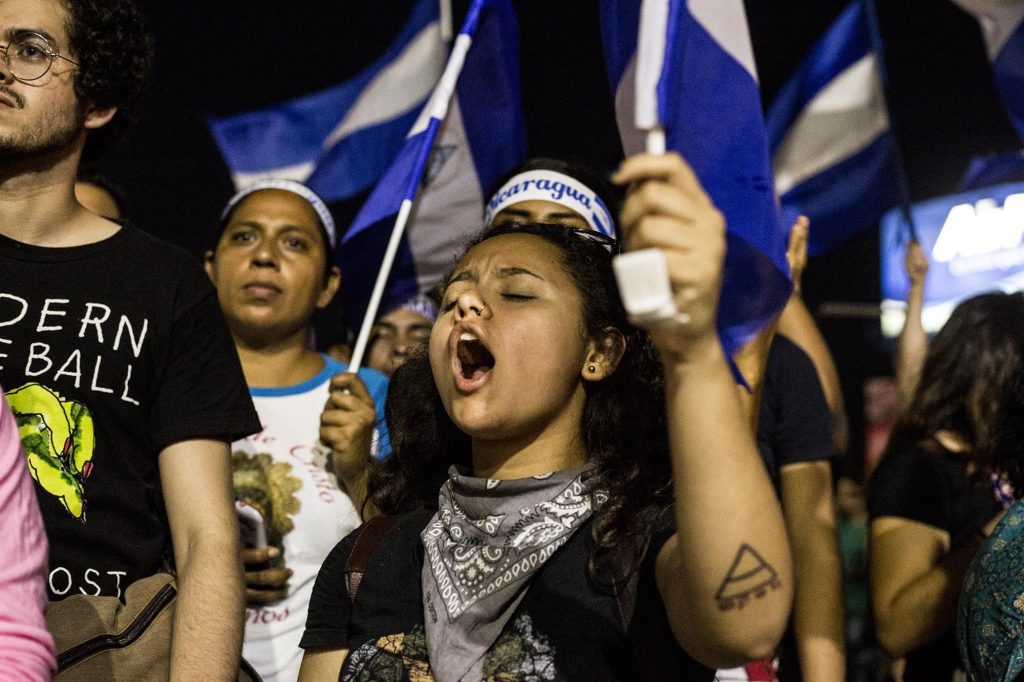
Washington, DC, April 18, 2019 – Today marks one year since a genuine popular uprising began in Nicaragua led by young people, which has ended up changing the country’s direction in pursuit of three concrete demands: freedom for those who have been arbitrarily arrested and the reestablishment of constitutional freedoms, rights, and guarantees; justice for the victims of the repression [and] guarantees of reparations and non-repetition; and democracy for the country.

What has happened in Nicaragua

Twelve months ago, a group of mostly university students together with older people organized protests in the cities of León and Managua due to some reforms that were made to the Social Security Law without holding consultations.  The repression on April 18, 2018 against older people, youth, and journalists by government-aligned mobs and groups caused so much outrage on the part of the population that the protests expanded to several cities throughout the country.  However, the repression also escalated and began being committed with support from the police and parastatal entities utilizing weapons of war.  The first three deaths were reported on April 19.

Thus, during the first six months of the crisis, the violent State repression resulted in at least 325 people dead and another 2,000 injured, according to figures provided by the Inter-American Commission on Human Rights (IACHR), an organ that installed the most extensive in-country mission in its history: from July through December, the Special Monitoring Mechanism for Nicaragua (MESENI) and the Interdisciplinary Group of Independent Experts (GIEI) recorded the incidents of violence and accompanied the victims until the government decided to shutter the former’s mission and not extend the latter’s mandate, as well as pressure it to immediately leave the country.

Through August, the IACHR missions worked jointly with a mission from the Office of the United Nations High Commissioner for Human Rights (OHCHR), which was itself thrown out of the country after presenting a report in which it confirmed that the State had abused its authority and caused extrajudicial executions, forced disappearances, arbitrary detentions, torture, and sexual violence.  The GIEI labeled those same incidents as crimes against humanity.

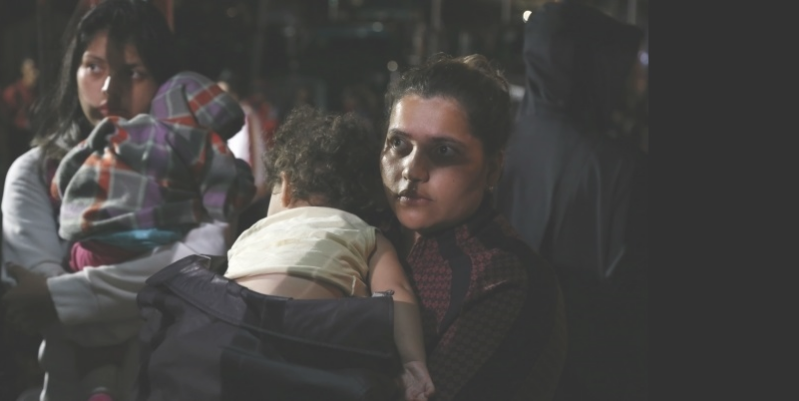
Fearing deadly violence, possible torture, or arrest, thousands of people fled the country: it is estimated that between 40,000 and 60,000 Nicaraguans went into exile in Costa Rica alone.

In the second six months of the crisis, the repression was selective.  The authorities arrested more than 700 people and hundreds of them were tried for crimes such as terrorism, assassination, robbery, [and] disrupting public order, simply for having participated in the protests.  That was followed by a ban against demonstrations of any kind by citizens in the opposition; the shuttering and confiscation of independent media and forced exile of tens of journalists in the face of imminent arrest; persecution and harassment of Nicaraguan human rights defenders and deportation of nationalized defenders; and arbitrary cancelation of the legal status of non-governmental organizations dedicated to protecting human [and] environmental rights or performing research.

In February of this year, a new attempt at establishing a dialogue has opened the way to a possible peaceful resolution to the crisis; however, while the government has committed to freeing all political prisoners, canceling the judicial proceedings against them, and respecting the citizen rights and guarantees that were revoked a year ago, these commitments have not been respected and the police continue to prohibit peaceful protests and maintain an intimidatory presence on the streets.

What do the Nicaraguan defenders have to say about this?

“It has been a year of pain, outrage, and impotence, a year in which the harshest and most depraved repression in our history has been unleashed,” note the defenders from the Centro Nicaragüense de Derechos Humanos [Nicaraguan Human Rights Center] (CENIDH).

Notwithstanding, they affirm that the crisis “has revealed the unflagging capacity of the Nicaraguan people to persist in its demand for justice,” as well as its high capacity for organization, “despite all of the victims, assaults, and latent threat of being assaulted by the National Police, paramilitaries, and shock troops.”

The Centro por la Justicia y Derechos Humanos de la Costa Atlántica de Nicaragua [Center for Justice and Human Rights of the Atlantic Coast of Nicaragua] (CEJUDHCAN) also highlights that human rights violations continue in the country, and despite the fact that the agreements in the current negotiations have not been upheld by the government, the Center continues to believe that dialogue is necessary and urgent because the crisis in the country is unsustainable.

CEJUDHCAN believes that another issue that has not been included in the negotiations is justice for the indigenous peoples and Afro-descendants with regard to the violations of the indigenous peoples’ right to self-determination, lack of guarantees for indigenous people’s communal property, [and] vulnerability of defenders [and] indigenous community and territorial leaders, among others.

The Asociación Diversidad Sexual Nicaragüense [Nicaraguan Sexual Diversity Association] (ADISNIC) believes three issues of the utmost importance that should be prioritized in the current negotiations are “the return of international human rights bodies; restoration of legal status to civil society organizations who had it canceled; and a cessation of the persecution of defenders and activists.”

In order to comply with these agreements, the human rights organizations agree that it is necessary to be accompanied by international human rights organs such as the IACHR and OHCHR in order for the agreements established by the parties to materialize and inter-sectoral commissions to be created that include civil society, the government, and social movements that act as internal auditors regarding compliance of said agreements.
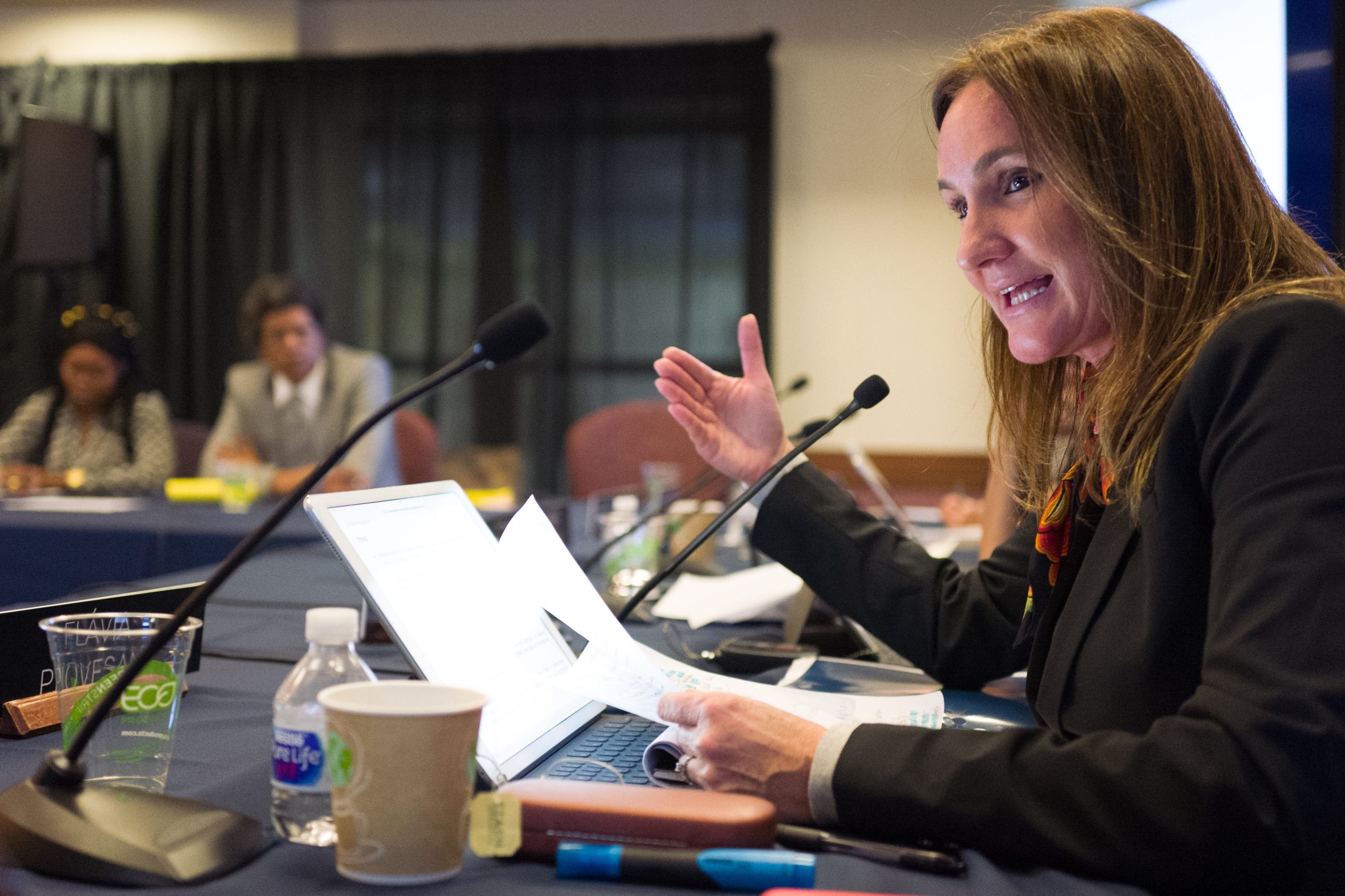
Nevertheless, CENIDH believes that “as long as there is no political will to guarantee and respect human rights, all of the demands of the Nicaraguan people will remain unsatisfied.”

The organizations recommend that the international community should support Nicaragua in the following ways: continue expounding upon, denouncing, and calling for a cessation of the repression within the framework of regional and international human rights legislation; act as an indispensable bridge in the search for a peaceful solution that guarantees compliance with the accords; continue the conversations in diverse international fora so as to generate greater commitments from other international actors; constantly follow and monitor the state of indigenous peoples’ human rights in Nicaragua; [and carry out] actions to support and monitor the situation of Nicaraguans who have been displaced to other countries, especially countries in the Central American region.

Other ways in which they can show support if the negotiations do not produce the expected results are to promote the application of the Inter-American Democratic Charter in the face of the lack of human rights guarantees and impacts on Nicaraguan democracy; activate extraordinary political and financial pressure mechanisms to confront the human rights crisis (including on the Caribbean Northern Coast of Nicaragua) that has yet to be declared by the national government; and [perform] actions to support and finance civil society organizations in the face of the closure of spaces and imposition of administrative and financial obstacles, so as to guarantee their work in defense of human rights.
Our stance

On this day, Race & Equality adds its voice to the cries for freedom, justice, and democracy for the Nicaraguan people.  We join the urgent call that broad sectors of the national and international communities have repeatedly issued to the State of Nicaragua to commit itself to the efforts undertaken by many sectors of society to reestablish peace and the rule of law that have been weakened since Daniel Ortega returned to power in 2007.

It is our desire that the solution to this conflict that has inflicted so much pain and financial loss on the Nicaraguan people be pursued through dialogue, by guaranteeing critical spaces for political participation, freedom of expression and association, and the full and effective enjoyment of the human rights enshrined in the Nicaraguan Constitution and international human rights instruments.

We call on the State of Nicaragua to have the guarantees of reparations and non-repetition serve as the emblem of the political will that is necessary to ensure that the crimes against humanity which have forever marked the history of the Nicaraguan people within the framework of this conflict do not go unpunished.  To that end, we believe the participation of the international community in the role of mediator is of the utmost importance in the negotiation spaces that have effectively been established in the country, especially in order to guarantee that the voices of the victims, exiled Nicaraguans, and historically invisible sectors are heard and taken into account as a part of the justice process that leads to the reestablishment of peace and democracy.

We urge the government of Nicaragua to establish the necessary conditions to put into practice the agreements that have already been reached by the negotiation roundtable regarding the enforceability of the rights inherent to all Nicaraguans.  To that end, we call for the release of the more than 700 political prisoners who have been arbitrarily detained and unjustly tried.  Likewise, we call for the cessation of the criminalization and harassment of political prisoners, so that their reincorporation into the life of society transpires with due guarantees of their fundamental rights, rather than under conditions of fear and persecution that threaten their integrity and life projects.

We urge the State to guarantee the legitimate right to freedom of expression, opinion, and social protest, participation mechanisms that guarantee societal equilibrium and therefore, q milieu that is favorable for democratic life.  Likewise, we demand that the social organizations, human rights defenders, independent media, and all other opinion leaders cease being victims of persecution, criminalization, and designation as “instigators of social unrest,” and are [instead] permitted to freely and fully participate in the discussion and dialogue as befits a pluralist and inclusive nation.  To that end, we urgently request that the right to freedom of association be guaranteed by restoring the legal status of independent civil society organizations that today are victims of the arbitrary decisions of the government of Daniel Ortega.

We issue a special call to the international community to continue monitoring the state of human rights in the Central American country, particularly at this time of supposed openness to dialogue and negotiation, so that truth, justice, reparations, and guarantees of non-repetition recognize the differentiated impacts the crisis has had on the lives of women, the indigenous population, Afro-descendants, and the LGBTI community, social groups that have historically and structurally been ‘invisibilized’ and marginalized and have become the target of multiple assaults within the context of the sociopolitical conflict that has yet to be resolved.

As an institution that works for the defense and recognition of human rights, Race & Equality dedicates itself to continue working to ensure that the voice of Nicaraguans is heard and effectively taken into account, and so that the crimes committed against those who gave their lives to defend freedom in Nicaragua do not go unpunished.

Join Our Efforts

Help empower individuals and communities to achieve structural changes in Latin America.